

GIVE THE PERFECT GIFT
Erin Mills Town Centre Gift Cards are the perfect choice for your gift giving needs.Purchase gift cards at kiosks near the food court or centre court, at Guest Services, or click below to purchase online.PURCHASE HEREHome
A Philosophical Treatise on Muslim Politics: Wisdom and Governance
Indigo
Loading Inventory...
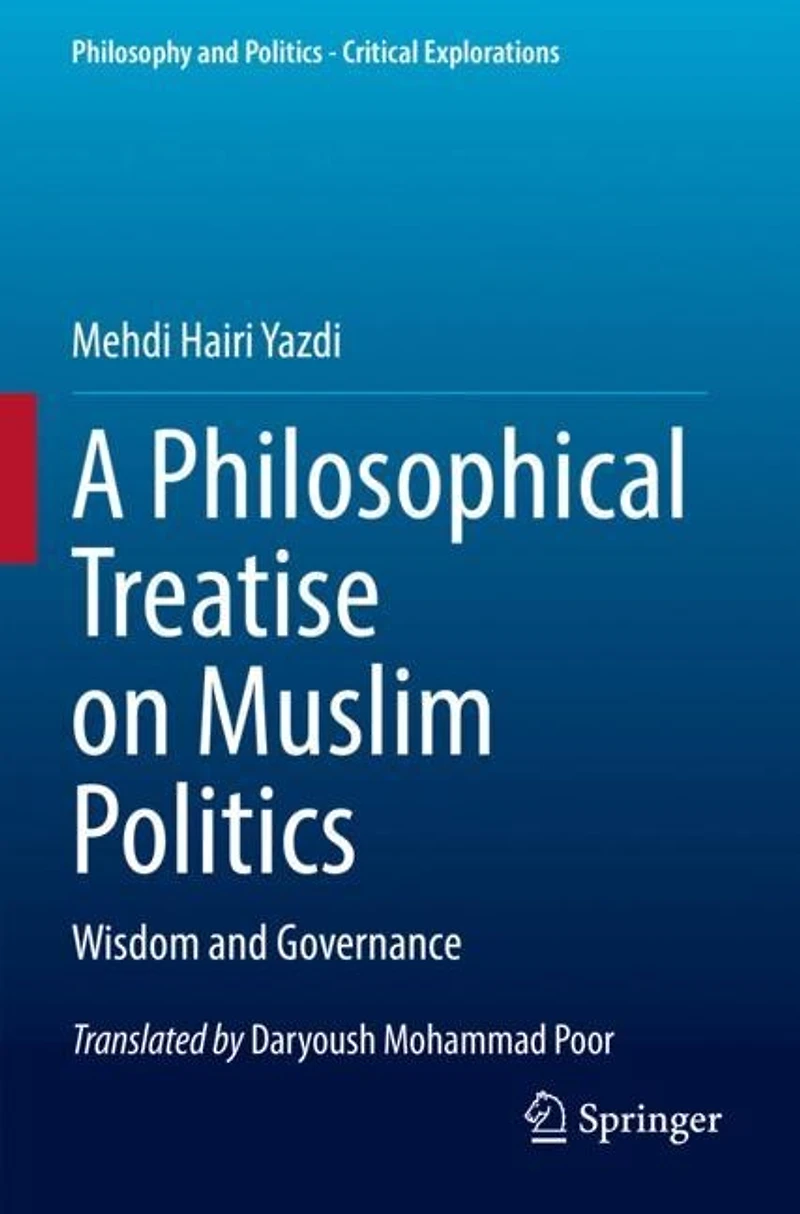
A Philosophical Treatise on Muslim Politics: Wisdom and Governance
Current price: $189.95

A Philosophical Treatise on Muslim Politics: Wisdom and Governance
Current price: $189.95
Loading Inventory...
Size: Paperback
*Product information may vary - to confirm product availability, pricing, shipping and return information please contact Indigo
This is a translation of Mehdi Hairi Yazdi's ØÚ©Ùت Ù ØÚ©ÙÙت (Ḥikmat wa ḤukÅ«mat) which provides a philosophical critique of the theory of the guardianship of the jurist. This theory is currently the governance theory in Iran and Mehdi Hairi Yazdi's treatise provides a critique based on both philosophical and traditional arguments. It asks numerous questions, such as: 'Is the governance of jurists philosophically coherent, rational and efficient?' and 'How can Muslim communities have their own forms of governance in such a manner that their faith commitments are met while living in their own time without clashing with universal values of governance?' and debunks the key foundation of the guardianship of the jurist. The present translation makes accessible, for the first time, the text of this critique in English, and provides a competing narrative based on his theory of joint public ownership in political theory.
This is a translation of Mehdi Hairi Yazdi's ØÚ©Ùت Ù ØÚ©ÙÙت (Ḥikmat wa ḤukÅ«mat) which provides a philosophical critique of the theory of the guardianship of the jurist. This theory is currently the governance theory in Iran and Mehdi Hairi Yazdi's treatise provides a critique based on both philosophical and traditional arguments. It asks numerous questions, such as: 'Is the governance of jurists philosophically coherent, rational and efficient?' and 'How can Muslim communities have their own forms of governance in such a manner that their faith commitments are met while living in their own time without clashing with universal values of governance?' and debunks the key foundation of the guardianship of the jurist. The present translation makes accessible, for the first time, the text of this critique in English, and provides a competing narrative based on his theory of joint public ownership in political theory.
You May Also Like







More About Indigo at Erin Mills Town Centre
The largest book retailer in Canada also offers toys, music, home décor, gifts and lifestyle products. What's Inside...Books, Magazines, CD’s and DVD’s, Toys and Gifts, Home Accents, Electronics, Baby’s and Children’s Section, Bath and Body, Kitchen and Bedroom, Stationary Located outside in the exterior plaza.
5015 Glen Erin Dr, Mississauga, ON L5M 0R7, Canada
Find Indigo at Erin Mills Town Centre in Mississauga ON
Visit Indigo at Erin Mills Town Centre in Mississauga ON