

GIVE THE PERFECT GIFT
Erin Mills Town Centre Gift Cards are the perfect choice for your gift giving needs.Purchase gift cards at kiosks near the food court or centre court, at Guest Services, or click below to purchase online.PURCHASE HEREHome
A Philosophy For Future Generations: The Structure And Dynamics Of Transgenerationality
Indigo
Loading Inventory...
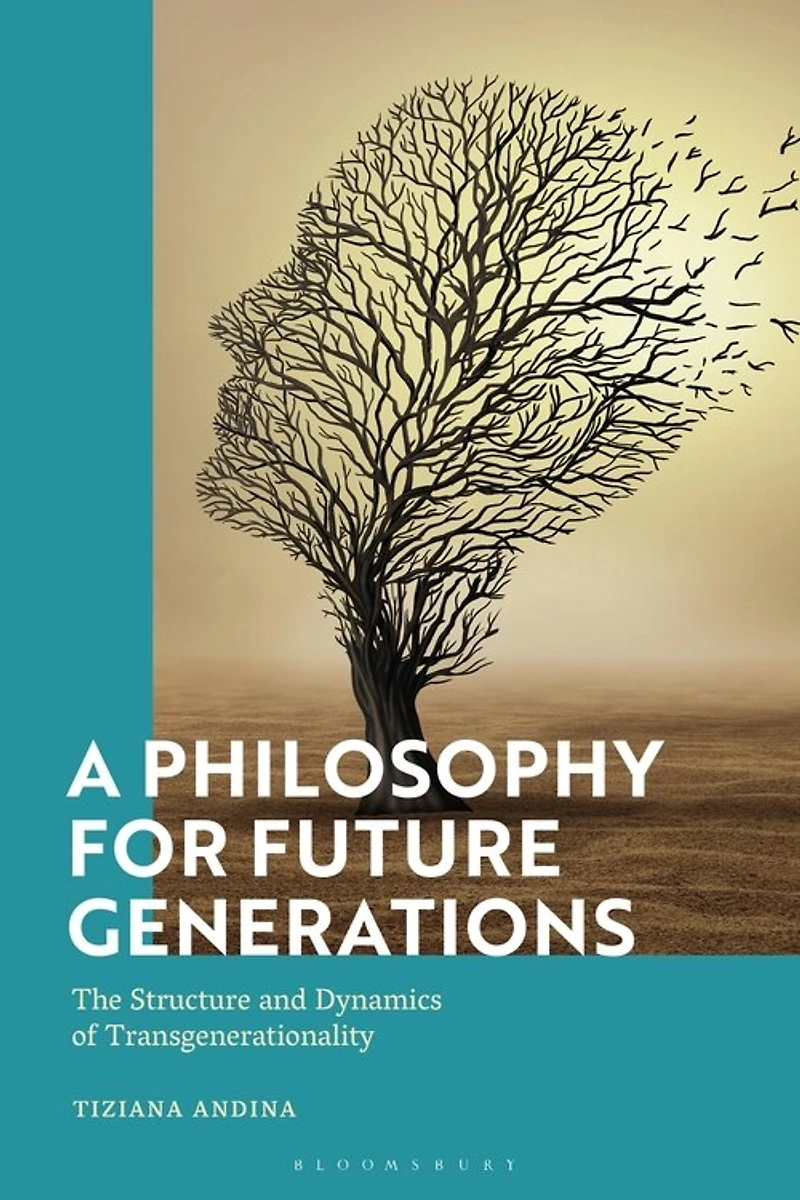
A Philosophy For Future Generations: The Structure And Dynamics Of Transgenerationality
Current price: $189.95

A Philosophy For Future Generations: The Structure And Dynamics Of Transgenerationality
Current price: $189.95
Loading Inventory...
Size: Hardcover
*Product information may vary - to confirm product availability, pricing, shipping and return information please contact Indigo
If societies, like institutions, are built to endure, then the bond that exists between generations must be considered. Constructing a framework to establish a philosophy of future generations, Tiziana Andina explores the factors that make it possible for a society to reproduce over time. Andina's study of the diachronic structure of societies considers the never-ending passage of generations, as each new generation comes to form a part of the new social fabric and political model. Her model draws on the anthropologies offered by classical political philosophies such as Hobbes and Machiavelli and the philosophies of power as discussed by Nietzsche. She confronts the ethics and function of this fundamental relationship, examines the role of transgenerationality in the formation and endurance of Western democracies and recognizes an often overlooked problem: each new generation must form part of social and political arrangements designed for them by the generations that came before.
If societies, like institutions, are built to endure, then the bond that exists between generations must be considered. Constructing a framework to establish a philosophy of future generations, Tiziana Andina explores the factors that make it possible for a society to reproduce over time. Andina's study of the diachronic structure of societies considers the never-ending passage of generations, as each new generation comes to form a part of the new social fabric and political model. Her model draws on the anthropologies offered by classical political philosophies such as Hobbes and Machiavelli and the philosophies of power as discussed by Nietzsche. She confronts the ethics and function of this fundamental relationship, examines the role of transgenerationality in the formation and endurance of Western democracies and recognizes an often overlooked problem: each new generation must form part of social and political arrangements designed for them by the generations that came before.
You May Also Like










More About Indigo at Erin Mills Town Centre
The largest book retailer in Canada also offers toys, music, home décor, gifts and lifestyle products. What's Inside...Books, Magazines, CD’s and DVD’s, Toys and Gifts, Home Accents, Electronics, Baby’s and Children’s Section, Bath and Body, Kitchen and Bedroom, Stationary Located outside in the exterior plaza.
5015 Glen Erin Dr, Mississauga, ON L5M 0R7, Canada
Find Indigo at Erin Mills Town Centre in Mississauga ON
Visit Indigo at Erin Mills Town Centre in Mississauga ON