

GIVE THE PERFECT GIFT
Erin Mills Town Centre Gift Cards are the perfect choice for your gift giving needs.Purchase gift cards at kiosks near the food court or centre court, at Guest Services, or click below to purchase online.PURCHASE HEREHome
A Poor Gentleman Second Half
Indigo
Loading Inventory...
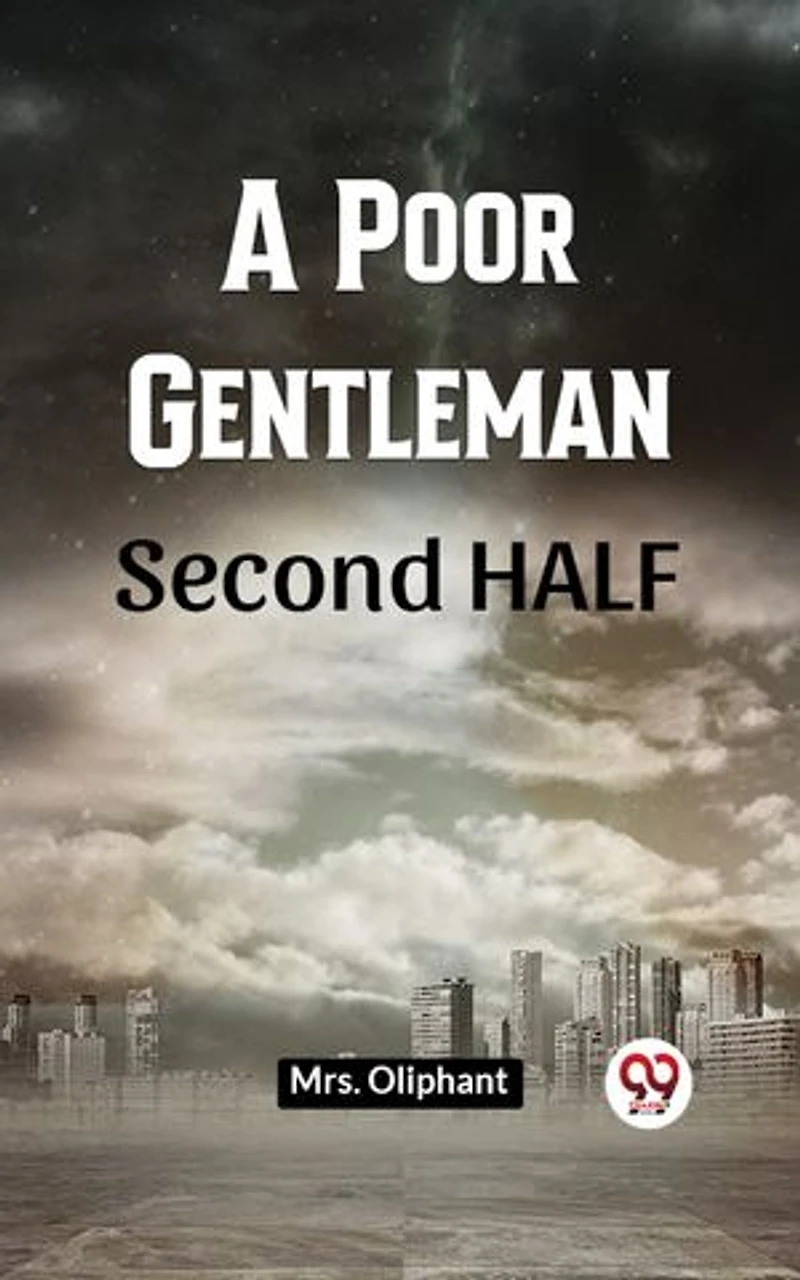
A Poor Gentleman Second Half
Current price: $1.34

A Poor Gentleman Second Half
Current price: $1.34
Loading Inventory...
Size: Kobo eBook
*Product information may vary - to confirm product availability, pricing, shipping and return information please contact Indigo
In the second one half of of Mrs. Oliphant's novel "A Poor Gentleman," Arthur Vincent's lifestyles takes a sequence of surprising turns, hard his concepts and forcing him to confront the realities of his social function. His unwavering experience of integrity and his determination to provide for his mother remain steadfast all through these trials. As Arthur's friendship with Mabel Wilmot deepens, he unearths himself wondering the societal norms that have formed his existence. He grapples with the class distinctions that separate him from Mabel, and he begins to apprehend the fee of real love and companionship past social standing. Arthur's tough paintings and dedication at the wealthy company regularly earn him the honor of his colleagues and superiors. However, he remains acutely aware of the limitations imposed upon him by using his social history. The novel delves into the complexities of human relationships and the challenges of navigating social hierarchies. Arthur's interactions with various characters, from the wealthy and influential to the downtrodden and marginalized, offer a nuanced portrait of Victorian society. In the midst of his personal and professional struggles, Arthur's religion and ethical compass continue to be his guiding lighting fixtures. He faces adversity with grace and resilience, upholding his ideas even within the face of temptation and disillusionment.
In the second one half of of Mrs. Oliphant's novel "A Poor Gentleman," Arthur Vincent's lifestyles takes a sequence of surprising turns, hard his concepts and forcing him to confront the realities of his social function. His unwavering experience of integrity and his determination to provide for his mother remain steadfast all through these trials. As Arthur's friendship with Mabel Wilmot deepens, he unearths himself wondering the societal norms that have formed his existence. He grapples with the class distinctions that separate him from Mabel, and he begins to apprehend the fee of real love and companionship past social standing. Arthur's tough paintings and dedication at the wealthy company regularly earn him the honor of his colleagues and superiors. However, he remains acutely aware of the limitations imposed upon him by using his social history. The novel delves into the complexities of human relationships and the challenges of navigating social hierarchies. Arthur's interactions with various characters, from the wealthy and influential to the downtrodden and marginalized, offer a nuanced portrait of Victorian society. In the midst of his personal and professional struggles, Arthur's religion and ethical compass continue to be his guiding lighting fixtures. He faces adversity with grace and resilience, upholding his ideas even within the face of temptation and disillusionment.
You May Also Like












More About Indigo at Erin Mills Town Centre
The largest book retailer in Canada also offers toys, music, home décor, gifts and lifestyle products. What's Inside...Books, Magazines, CD’s and DVD’s, Toys and Gifts, Home Accents, Electronics, Baby’s and Children’s Section, Bath and Body, Kitchen and Bedroom, Stationary Located outside in the exterior plaza.
5015 Glen Erin Dr, Mississauga, ON L5M 0R7, Canada
Find Indigo at Erin Mills Town Centre in Mississauga ON
Visit Indigo at Erin Mills Town Centre in Mississauga ON