

GIVE THE PERFECT GIFT
Erin Mills Town Centre Gift Cards are the perfect choice for your gift giving needs.Purchase gift cards at kiosks near the food court or centre court, at Guest Services, or click below to purchase online.PURCHASE HEREHome
A Primer for Teaching World History: Ten Design Principles
Indigo
Loading Inventory...
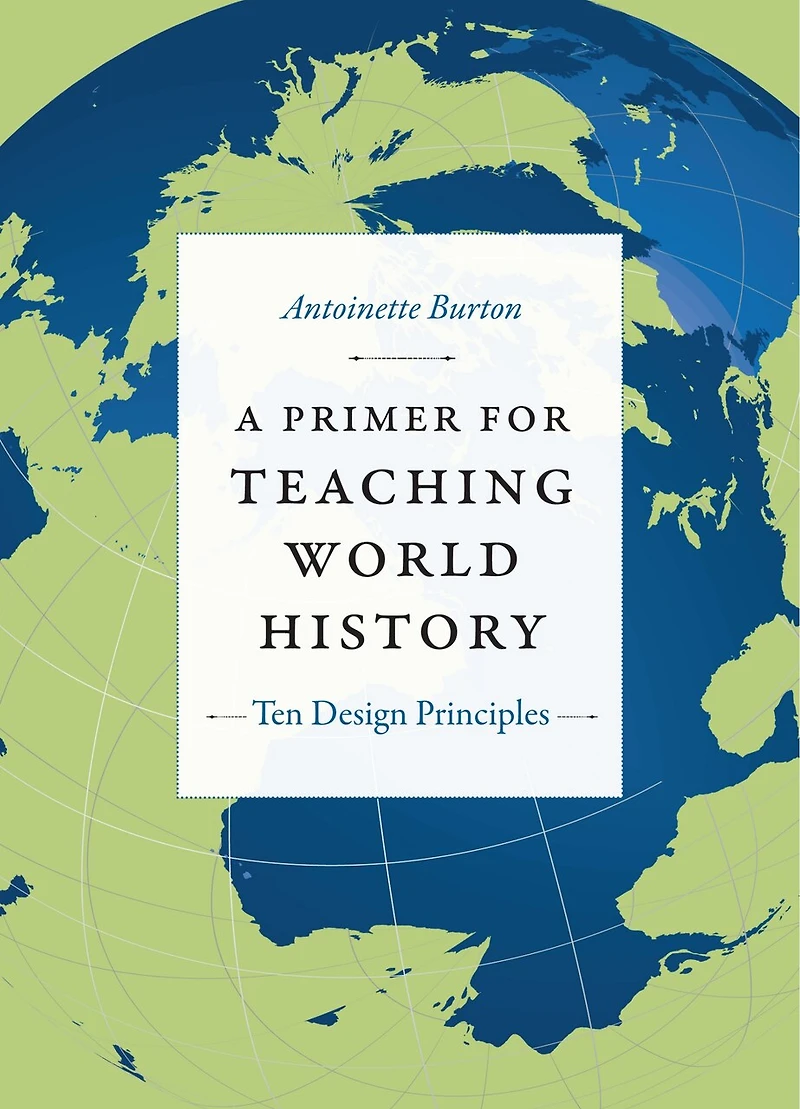

A Primer for Teaching World History: Ten Design Principles
Current price: $136.95

A Primer for Teaching World History: Ten Design Principles
Current price: $136.95
Loading Inventory...
Size: Hardcover
*Product information may vary - to confirm product availability, pricing, shipping and return information please contact Indigo
A Primer for Teaching World History is a guide for college and high school teachers who are designing an introductory-level world history syllabus for the first time, for those who already teach world history and are seeking new ideas or approaches, and for those who train future teachers to prepare any history course with a global or transnational focus. Drawing on her own classroom practices, as well as her career as a historian, Antoinette Burton offers a set of principles to help instructors think about how to design their courses with specific goals in mind, whatever those may be. She encourages teachers to envision the world history syllabus as having an architecture: a fundamental, underlying structure or interpretive focus that runs throughout the course, shaping students' experiences, offering pathways in and out of "the global," and reflecting the teacher's convictions about the world and the work of history.
A Primer for Teaching World History is a guide for college and high school teachers who are designing an introductory-level world history syllabus for the first time, for those who already teach world history and are seeking new ideas or approaches, and for those who train future teachers to prepare any history course with a global or transnational focus. Drawing on her own classroom practices, as well as her career as a historian, Antoinette Burton offers a set of principles to help instructors think about how to design their courses with specific goals in mind, whatever those may be. She encourages teachers to envision the world history syllabus as having an architecture: a fundamental, underlying structure or interpretive focus that runs throughout the course, shaping students' experiences, offering pathways in and out of "the global," and reflecting the teacher's convictions about the world and the work of history.
You May Also Like











More About Indigo at Erin Mills Town Centre
The largest book retailer in Canada also offers toys, music, home décor, gifts and lifestyle products. What's Inside...Books, Magazines, CD’s and DVD’s, Toys and Gifts, Home Accents, Electronics, Baby’s and Children’s Section, Bath and Body, Kitchen and Bedroom, Stationary Located outside in the exterior plaza.
5015 Glen Erin Dr, Mississauga, ON L5M 0R7, Canada
Find Indigo at Erin Mills Town Centre in Mississauga ON
Visit Indigo at Erin Mills Town Centre in Mississauga ON