

GIVE THE PERFECT GIFT
Erin Mills Town Centre Gift Cards are the perfect choice for your gift giving needs.Purchase gift cards at kiosks near the food court or centre court, at Guest Services, or click below to purchase online.PURCHASE HEREHome
A Primer on Corporate Governance: Turkey
Indigo
Loading Inventory...
A Primer on Corporate Governance: Turkey
Current price: $15.19
Original price: $18.99

A Primer on Corporate Governance: Turkey
Current price: $15.19
Original price: $18.99
Loading Inventory...
Size: Kobo eBook
*Product information may vary - to confirm product availability, pricing, shipping and return information please contact Indigo
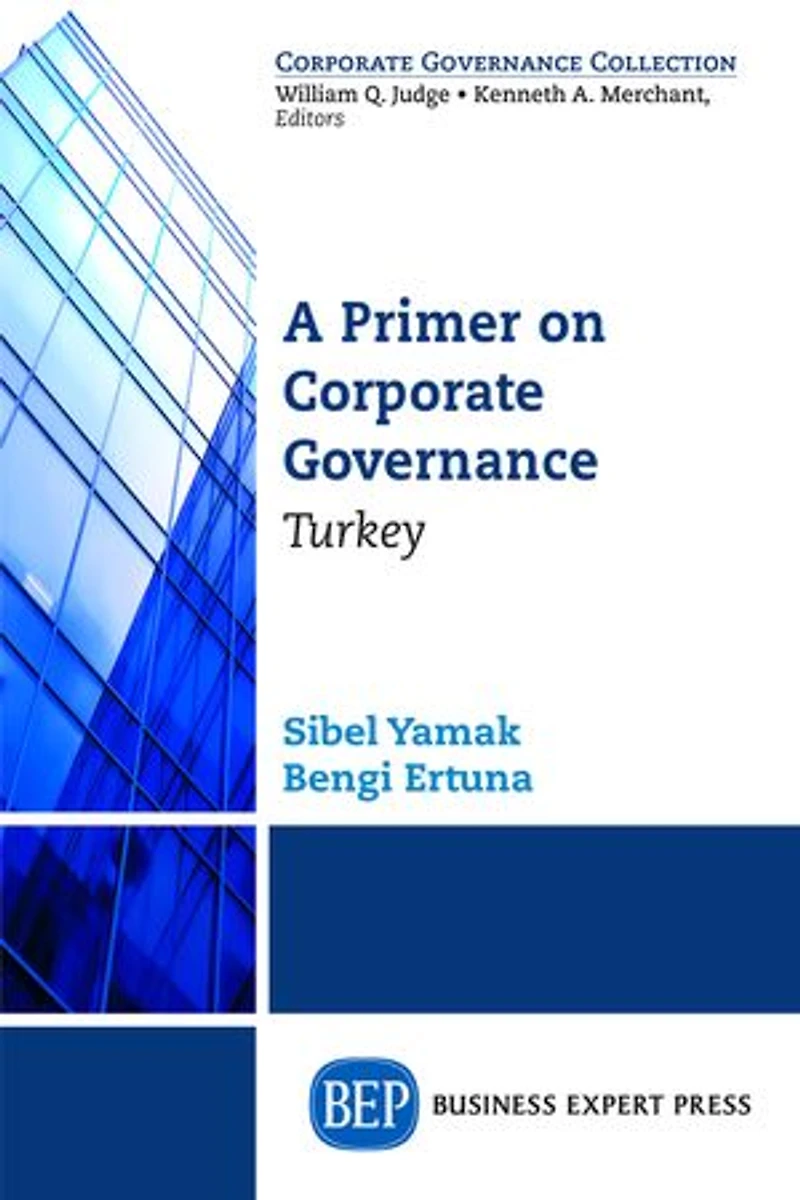
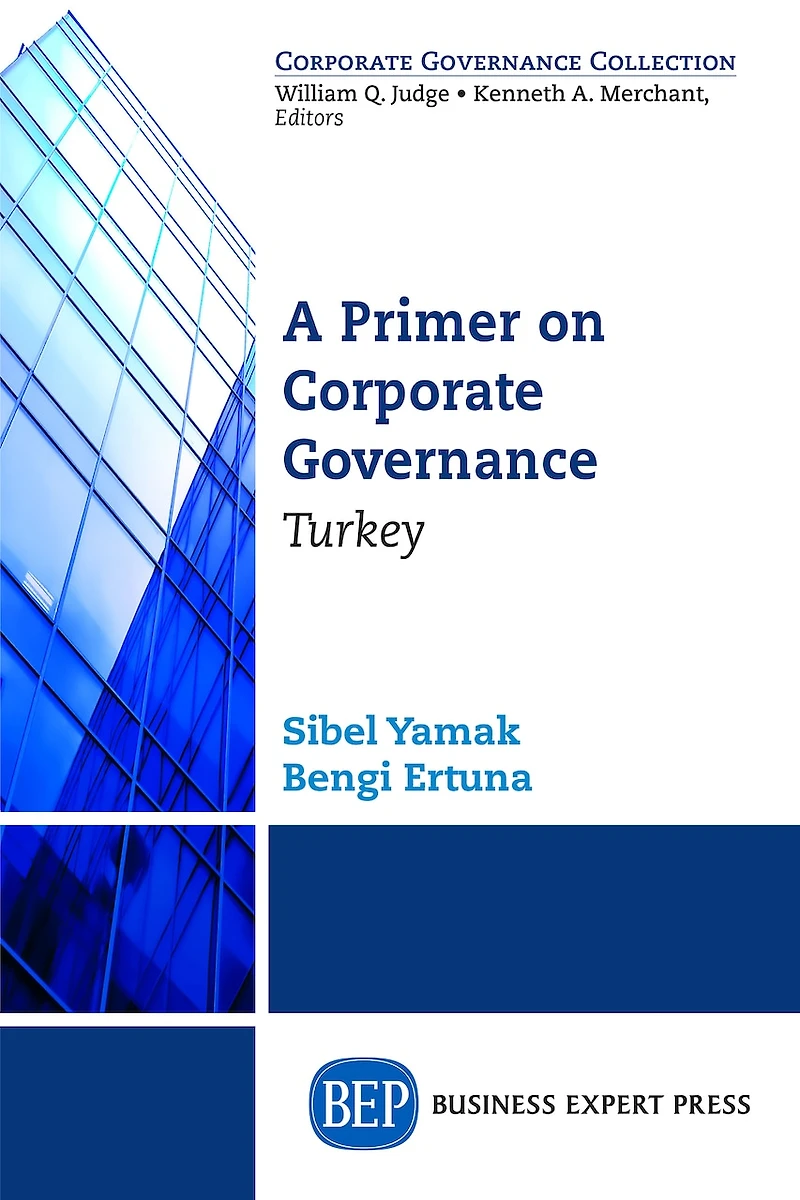
A Premier on Corporate Governance: Turkey takes an in-depth and comprehensive assessment of corporate governance in Turkey at a cross section in time when the country is going through major multidimensional transformations. Structural characteristics of its economy and the historical antecedents of corporate governance are provided to the readers as a background in the first part of the book. External and internal mechanisms of corporate governance are built on this background. Legal system of the country, its company laws, regulatory authorities and the state of the market for corporate control as well as the socio-cultural norms, ways of doing business, and the Turkish code of good governance are examined as the external mechanisms shaping the corporate governance practices of companies in the context. Internal control mechanisms analyzed in this book include the characteristics of the board of directors, ownership structure, and management teams of Turkish companies. In conclusion, the authors discuss current and future corporate governance challenges in the Turkish business context.
A Premier on Corporate Governance: Turkey takes an in-depth and comprehensive assessment of corporate governance in Turkey at a cross section in time when the country is going through major multidimensional transformations. Structural characteristics of its economy and the historical antecedents of corporate governance are provided to the readers as a background in the first part of the book. External and internal mechanisms of corporate governance are built on this background. Legal system of the country, its company laws, regulatory authorities and the state of the market for corporate control as well as the socio-cultural norms, ways of doing business, and the Turkish code of good governance are examined as the external mechanisms shaping the corporate governance practices of companies in the context. Internal control mechanisms analyzed in this book include the characteristics of the board of directors, ownership structure, and management teams of Turkish companies. In conclusion, the authors discuss current and future corporate governance challenges in the Turkish business context.
You May Also Like













More About Indigo at Erin Mills Town Centre
The largest book retailer in Canada also offers toys, music, home décor, gifts and lifestyle products. What's Inside...Books, Magazines, CD’s and DVD’s, Toys and Gifts, Home Accents, Electronics, Baby’s and Children’s Section, Bath and Body, Kitchen and Bedroom, Stationary Located outside in the exterior plaza.
5015 Glen Erin Dr, Mississauga, ON L5M 0R7, Canada
Find Indigo at Erin Mills Town Centre in Mississauga ON
Visit Indigo at Erin Mills Town Centre in Mississauga ON