

GIVE THE PERFECT GIFT
Erin Mills Town Centre Gift Cards are the perfect choice for your gift giving needs.Purchase gift cards at kiosks near the food court or centre court, at Guest Services, or click below to purchase online.PURCHASE HEREHome
A Psychological Counter-Current in Recent Fiction
Indigo
Loading Inventory...
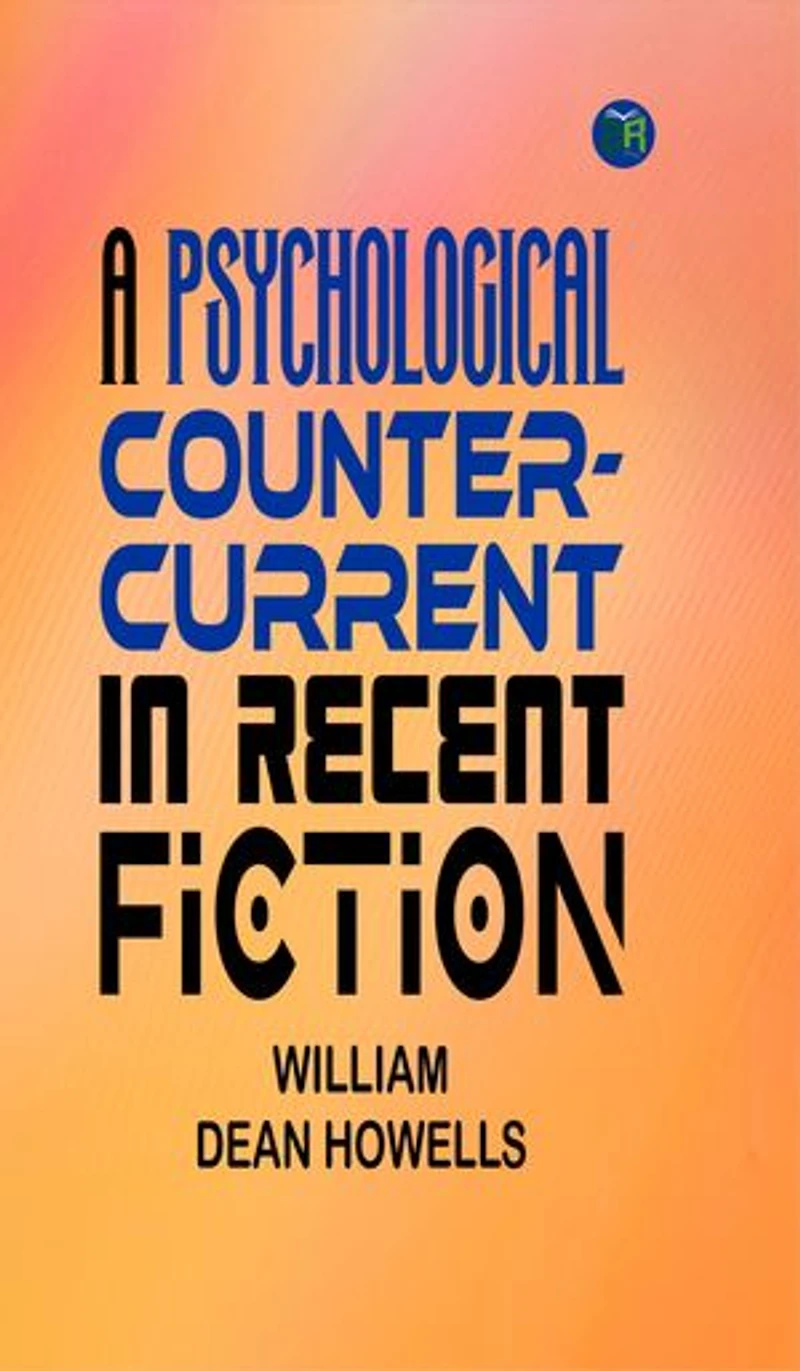
A Psychological Counter-Current in Recent Fiction
Current price: $1.32

A Psychological Counter-Current in Recent Fiction
Current price: $1.32
Loading Inventory...
Size: Kobo eBook
*Product information may vary - to confirm product availability, pricing, shipping and return information please contact Indigo
In this essay, Howells explores a literary trend he observed in contemporary fiction during his time. He refers to this trend as a "psychological counter-current." Essentially, Howells is discussing a shift in the focus of fiction from external events and actions to the inner thoughts, emotions, and psychological states of characters.During the late 19th century, there was a growing interest in the exploration of characters' inner lives and the impact of psychology on their actions and decisions. This marked a departure from earlier literary traditions that primarily emphasized external plot and action. Howells believed that this shift toward a more psychologically oriented fiction was a significant development in the evolution of the novel as an art form.In the essay, Howells discusses several authors and works that he saw as exemplifying this psychological counter-current. He examines how these authors, including Henry James and George Meredith, delved into the complexities of human psychology and portrayed characters with greater depth and nuance.William Dean Howells' essay is an important contribution to the understanding of the development of American and English literature during the late 19th century. It sheds light on the shift toward psychological realism in fiction and the impact of this trend on the art of the novel.
In this essay, Howells explores a literary trend he observed in contemporary fiction during his time. He refers to this trend as a "psychological counter-current." Essentially, Howells is discussing a shift in the focus of fiction from external events and actions to the inner thoughts, emotions, and psychological states of characters.During the late 19th century, there was a growing interest in the exploration of characters' inner lives and the impact of psychology on their actions and decisions. This marked a departure from earlier literary traditions that primarily emphasized external plot and action. Howells believed that this shift toward a more psychologically oriented fiction was a significant development in the evolution of the novel as an art form.In the essay, Howells discusses several authors and works that he saw as exemplifying this psychological counter-current. He examines how these authors, including Henry James and George Meredith, delved into the complexities of human psychology and portrayed characters with greater depth and nuance.William Dean Howells' essay is an important contribution to the understanding of the development of American and English literature during the late 19th century. It sheds light on the shift toward psychological realism in fiction and the impact of this trend on the art of the novel.
You May Also Like
![No Fiction, a Narrative Founded On Recent and Interesting Facts [By A. Reed]](https://cdn.mall.adeptmind.ai/https%253A%252F%252Fcdn.shopify.com%252Fs%252Ffiles%252F1%252F0655%252F8980%252F5233%252Ffiles%252F1_ebcb7ef5-ff46-4c82-a3a4-205dd7072ae0.jpg_medium.webp)












More About Indigo at Erin Mills Town Centre
The largest book retailer in Canada also offers toys, music, home décor, gifts and lifestyle products. What's Inside...Books, Magazines, CD’s and DVD’s, Toys and Gifts, Home Accents, Electronics, Baby’s and Children’s Section, Bath and Body, Kitchen and Bedroom, Stationary Located outside in the exterior plaza.
5015 Glen Erin Dr, Mississauga, ON L5M 0R7, Canada
Find Indigo at Erin Mills Town Centre in Mississauga ON
Visit Indigo at Erin Mills Town Centre in Mississauga ON