

GIVE THE PERFECT GIFT
Erin Mills Town Centre Gift Cards are the perfect choice for your gift giving needs.Purchase gift cards at kiosks near the food court or centre court, at Guest Services, or click below to purchase online.PURCHASE HEREHome
A Revised Poetry of Western Philosophy
Indigo
Loading Inventory...
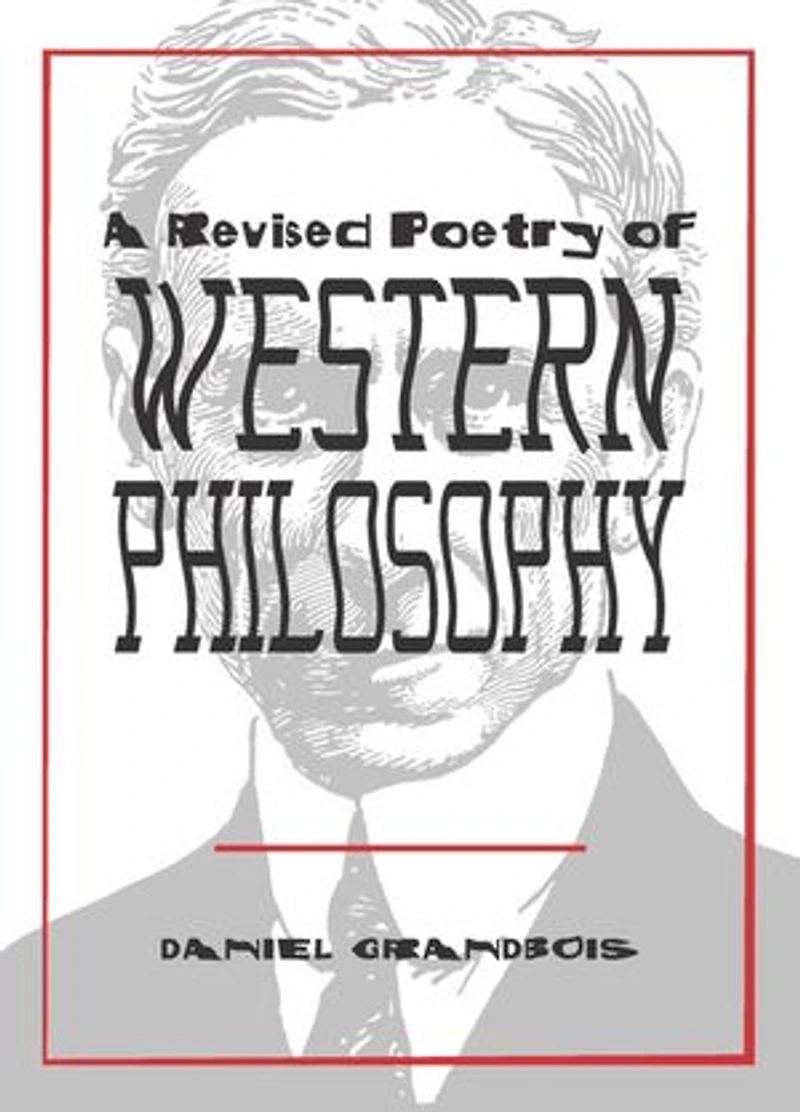
A Revised Poetry of Western Philosophy
Current price: $23.19
Original price: $28.99

A Revised Poetry of Western Philosophy
Current price: $23.19
Original price: $28.99
Loading Inventory...
Size: Kobo eBook
*Product information may vary - to confirm product availability, pricing, shipping and return information please contact Indigo
Bertrand Russell finds himself in purgatory, tumbling through literal representations of the worlds of ideas he examined in his classic text, A History of Western Philosophy, gulping much-needed air, for example, from Empedocles' bucket. Mistaking his erection for a planted flag, he declares the place Platonopolis, attempts to calculate his Pythagorean number, kills God (though he later sees evidence of His resurrection), and, Rousseau-like, turns away from reason and civilization, favoring the noble savage, only to march back into the concrete jungle as one of Nietzsche's savage nobles. In the end, however, he is all jumbled up and clucking like Einstein's cuckoo clock, until he perceives philosophy as music, hears its arguments as a symphonic procession of the electrochemical pulses produced within three-pound lumps—lumps self-amalgamated from the vomitus of stars—and revises his History.
Bertrand Russell finds himself in purgatory, tumbling through literal representations of the worlds of ideas he examined in his classic text, A History of Western Philosophy, gulping much-needed air, for example, from Empedocles' bucket. Mistaking his erection for a planted flag, he declares the place Platonopolis, attempts to calculate his Pythagorean number, kills God (though he later sees evidence of His resurrection), and, Rousseau-like, turns away from reason and civilization, favoring the noble savage, only to march back into the concrete jungle as one of Nietzsche's savage nobles. In the end, however, he is all jumbled up and clucking like Einstein's cuckoo clock, until he perceives philosophy as music, hears its arguments as a symphonic procession of the electrochemical pulses produced within three-pound lumps—lumps self-amalgamated from the vomitus of stars—and revises his History.
You May Also Like







More About Indigo at Erin Mills Town Centre
The largest book retailer in Canada also offers toys, music, home décor, gifts and lifestyle products. What's Inside...Books, Magazines, CD’s and DVD’s, Toys and Gifts, Home Accents, Electronics, Baby’s and Children’s Section, Bath and Body, Kitchen and Bedroom, Stationary Located outside in the exterior plaza.
5015 Glen Erin Dr, Mississauga, ON L5M 0R7, Canada
Find Indigo at Erin Mills Town Centre in Mississauga ON
Visit Indigo at Erin Mills Town Centre in Mississauga ON