

GIVE THE PERFECT GIFT
Erin Mills Town Centre Gift Cards are the perfect choice for your gift giving needs.Purchase gift cards at kiosks near the food court or centre court, at Guest Services, or click below to purchase online.PURCHASE HEREHome
A Science of Otherness?: Rereading the History Western and US Criminological Thought
Indigo
Loading Inventory...

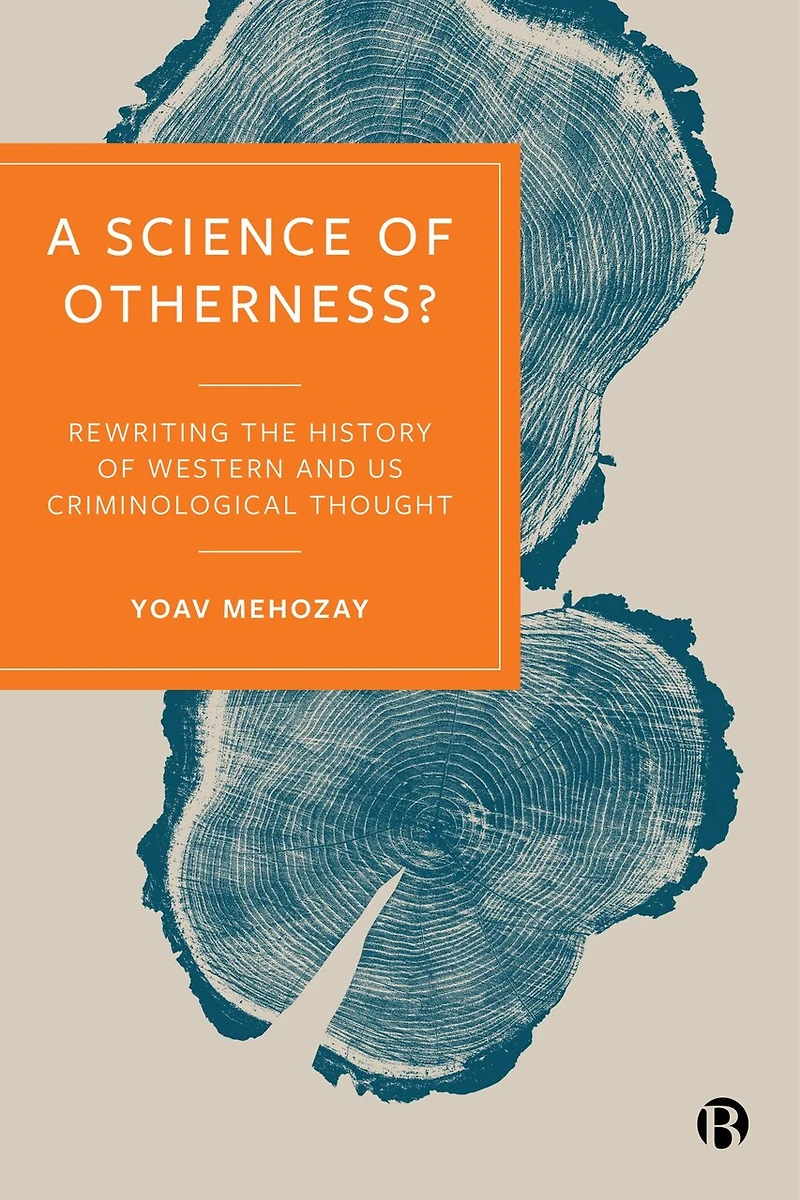
A Science of Otherness?: Rereading the History Western and US Criminological Thought
Current price: $43.99
Original price: $54.99

A Science of Otherness?: Rereading the History Western and US Criminological Thought
Current price: $43.99
Original price: $54.99
Loading Inventory...
Size: Kobo eBook
*Product information may vary - to confirm product availability, pricing, shipping and return information please contact Indigo
This book presents a critical history of Western criminological thought from the Enlightenment to the development of modern criminological theories, mainly in the United States, over the last hundred years. It explores a variety of approaches including the classical school, the various currents of positivist criminology, and the managerial movement.
Mehozay contends that Western criminological thought can be seen as an ideological project based on ‘otherness’, justifying social hierarchies and sustaining the control of some people over others. He demonstrates how ideologies of otherness, such as the non-rational other, the pathological other and more, validate projects of control, exclusion, modernization, and care.
This book presents a critical history of Western criminological thought from the Enlightenment to the development of modern criminological theories, mainly in the United States, over the last hundred years. It explores a variety of approaches including the classical school, the various currents of positivist criminology, and the managerial movement.
Mehozay contends that Western criminological thought can be seen as an ideological project based on ‘otherness’, justifying social hierarchies and sustaining the control of some people over others. He demonstrates how ideologies of otherness, such as the non-rational other, the pathological other and more, validate projects of control, exclusion, modernization, and care.
You May Also Like










More About Indigo at Erin Mills Town Centre
The largest book retailer in Canada also offers toys, music, home décor, gifts and lifestyle products. What's Inside...Books, Magazines, CD’s and DVD’s, Toys and Gifts, Home Accents, Electronics, Baby’s and Children’s Section, Bath and Body, Kitchen and Bedroom, Stationary Located outside in the exterior plaza.
5015 Glen Erin Dr, Mississauga, ON L5M 0R7, Canada
Find Indigo at Erin Mills Town Centre in Mississauga ON
Visit Indigo at Erin Mills Town Centre in Mississauga ON