

GIVE THE PERFECT GIFT
Erin Mills Town Centre Gift Cards are the perfect choice for your gift giving needs.Purchase gift cards at kiosks near the food court or centre court, at Guest Services, or click below to purchase online.PURCHASE HEREHome
A Sense of the City: Modes of Urban Representation in the Works of Nagai Kafū (1879-1959)
Indigo
Loading Inventory...
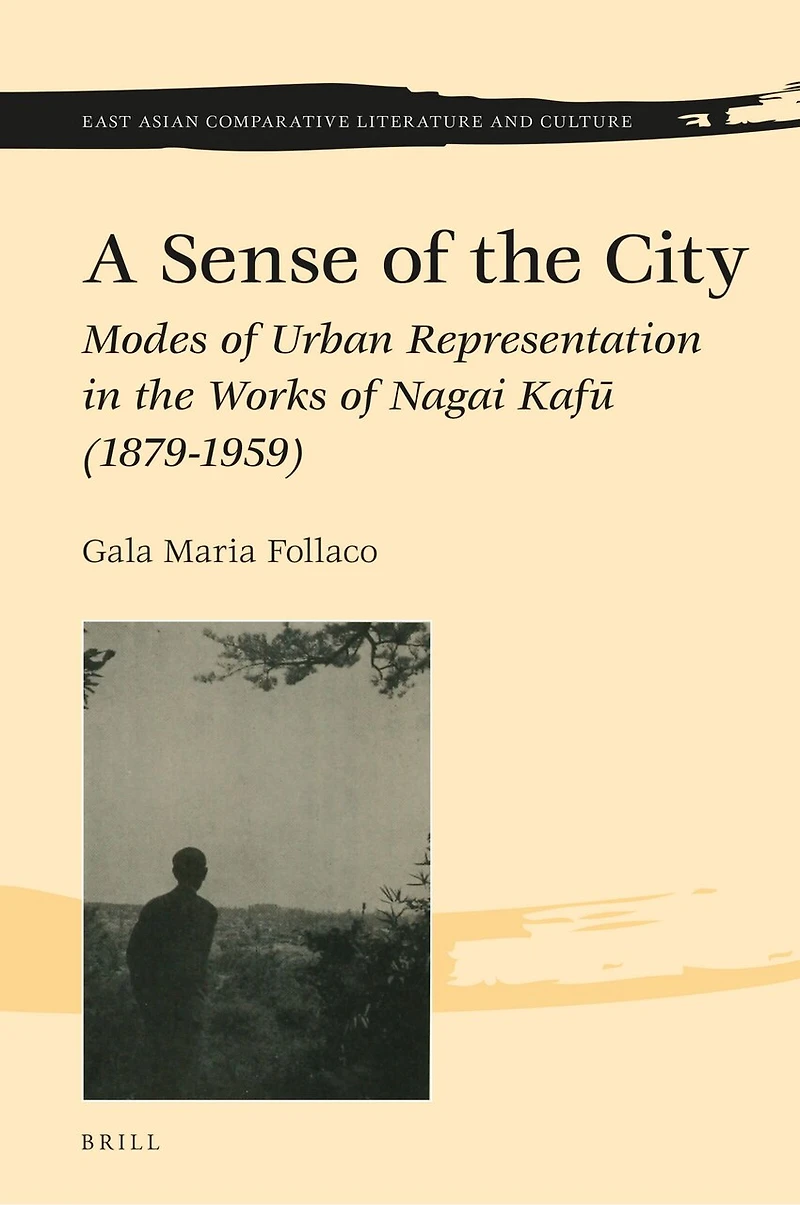
A Sense of the City: Modes of Urban Representation in the Works of Nagai Kafū (1879-1959)
Current price: $198.99

A Sense of the City: Modes of Urban Representation in the Works of Nagai Kafū (1879-1959)
Current price: $198.99
Loading Inventory...
Size: Hardcover
*Product information may vary - to confirm product availability, pricing, shipping and return information please contact Indigo
In A Sense of the City , Gala Maria Follaco examines Nagai Kafū’s (1879-1959) literary construction of urban spatialities from late Meiji through the early Shōwa period. She argues that Kafū’s urban critique was based on his awareness of the cultural sedimentation of the cityscape and of the complex relationship that it bore with the historical framework of modern Japan.
With the overall aim to define Kafū’s position within pre-war Japanese literature, Follaco touches upon key issues such as memory, class difference, and language ideologies; draws connections between his sojourn abroad and strategies of “mapping” the city of Tokyo in his literature; and takes into account works previously understudied, including his biography of Washizu Kidō and his photographs.
In A Sense of the City , Gala Maria Follaco examines Nagai Kafū’s (1879-1959) literary construction of urban spatialities from late Meiji through the early Shōwa period. She argues that Kafū’s urban critique was based on his awareness of the cultural sedimentation of the cityscape and of the complex relationship that it bore with the historical framework of modern Japan.
With the overall aim to define Kafū’s position within pre-war Japanese literature, Follaco touches upon key issues such as memory, class difference, and language ideologies; draws connections between his sojourn abroad and strategies of “mapping” the city of Tokyo in his literature; and takes into account works previously understudied, including his biography of Washizu Kidō and his photographs.
You May Also Like







More About Indigo at Erin Mills Town Centre
The largest book retailer in Canada also offers toys, music, home décor, gifts and lifestyle products. What's Inside...Books, Magazines, CD’s and DVD’s, Toys and Gifts, Home Accents, Electronics, Baby’s and Children’s Section, Bath and Body, Kitchen and Bedroom, Stationary Located outside in the exterior plaza.
5015 Glen Erin Dr, Mississauga, ON L5M 0R7, Canada
Find Indigo at Erin Mills Town Centre in Mississauga ON
Visit Indigo at Erin Mills Town Centre in Mississauga ON