

GIVE THE PERFECT GIFT
Erin Mills Town Centre Gift Cards are the perfect choice for your gift giving needs.Purchase gift cards at kiosks near the food court or centre court, at Guest Services, or click below to purchase online.PURCHASE HEREHome
A Texas Greenhorn in Berlin and Moscow, 1928: Travel Diary of Joseph S. Werlin
Indigo
Loading Inventory...
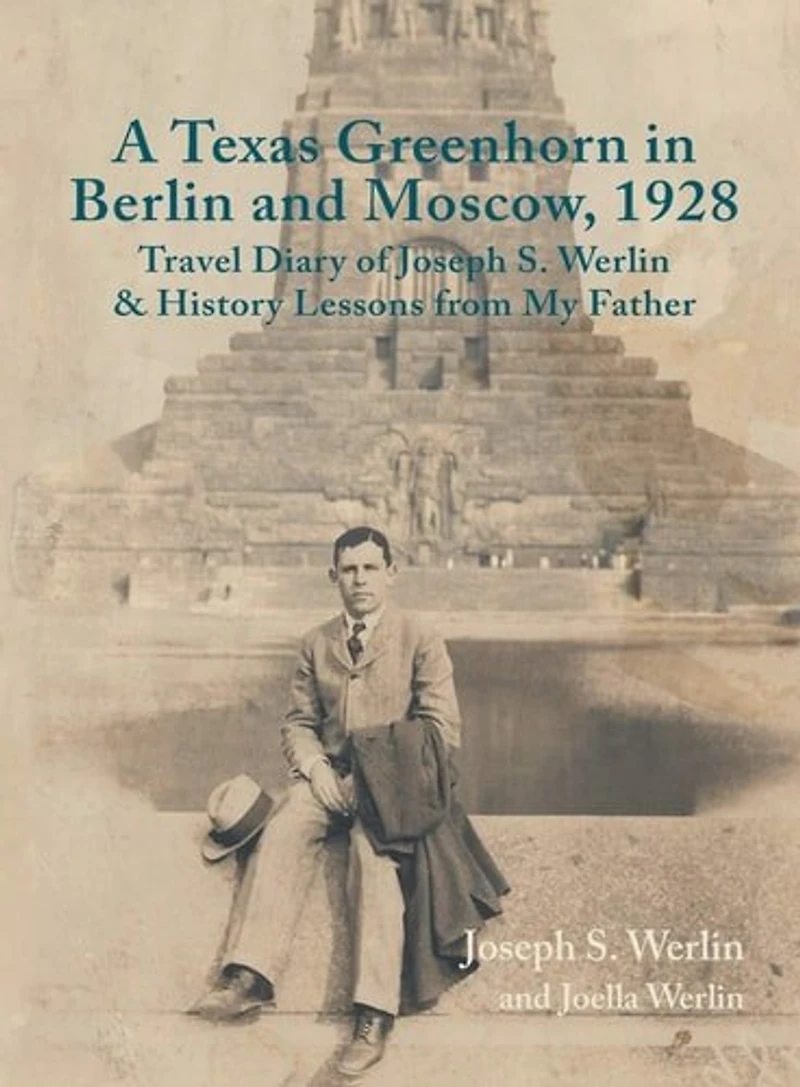
A Texas Greenhorn in Berlin and Moscow, 1928: Travel Diary of Joseph S. Werlin
Current price: $39.95

A Texas Greenhorn in Berlin and Moscow, 1928: Travel Diary of Joseph S. Werlin
Current price: $39.95
Loading Inventory...
Size: Paperback
*Product information may vary - to confirm product availability, pricing, shipping and return information please contact Indigo
Greenhorn, a humorous, mildly derisive term, often was applied to Eastern European immigrants in the early 20th century. Joseph Werlin, American-born, well-mannered and university-educated, might not seem to fit the image. But, on this journey, he even referred to himself as a "greenhorn," an "innocent abroad."
Joe initially meant his diary only for family interest when he sent handwritten pages to his fiancée - an aspiring journalist - in Texas. Later, he recognized wider appeal. He interviewed Muscovites for their responses to the new Red order and offered insights into the 1928 German elections, noting the weak showing of "the famous (or infamous) Hitler." Related correspondence, documents and photos illuminate dimly-lit places and stirrings in 1928. He senses no gathering winds of war, but he reveals tensions in this precarious post-WWI period, which a decade later will erupt with unimagined calamity.
Joella Werlin, his daughter, develops this story and reveals his life as it turned out.
Greenhorn, a humorous, mildly derisive term, often was applied to Eastern European immigrants in the early 20th century. Joseph Werlin, American-born, well-mannered and university-educated, might not seem to fit the image. But, on this journey, he even referred to himself as a "greenhorn," an "innocent abroad."
Joe initially meant his diary only for family interest when he sent handwritten pages to his fiancée - an aspiring journalist - in Texas. Later, he recognized wider appeal. He interviewed Muscovites for their responses to the new Red order and offered insights into the 1928 German elections, noting the weak showing of "the famous (or infamous) Hitler." Related correspondence, documents and photos illuminate dimly-lit places and stirrings in 1928. He senses no gathering winds of war, but he reveals tensions in this precarious post-WWI period, which a decade later will erupt with unimagined calamity.
Joella Werlin, his daughter, develops this story and reveals his life as it turned out.
You May Also Like











More About Indigo at Erin Mills Town Centre
The largest book retailer in Canada also offers toys, music, home décor, gifts and lifestyle products. What's Inside...Books, Magazines, CD’s and DVD’s, Toys and Gifts, Home Accents, Electronics, Baby’s and Children’s Section, Bath and Body, Kitchen and Bedroom, Stationary Located outside in the exterior plaza.
5015 Glen Erin Dr, Mississauga, ON L5M 0R7, Canada
Find Indigo at Erin Mills Town Centre in Mississauga ON
Visit Indigo at Erin Mills Town Centre in Mississauga ON