

GIVE THE PERFECT GIFT
Erin Mills Town Centre Gift Cards are the perfect choice for your gift giving needs.Purchase gift cards at kiosks near the food court or centre court, at Guest Services, or click below to purchase online.PURCHASE HEREHome
Abolishing Freedom: a Plea for Contemporary Use of Fatalism
Indigo
Loading Inventory...
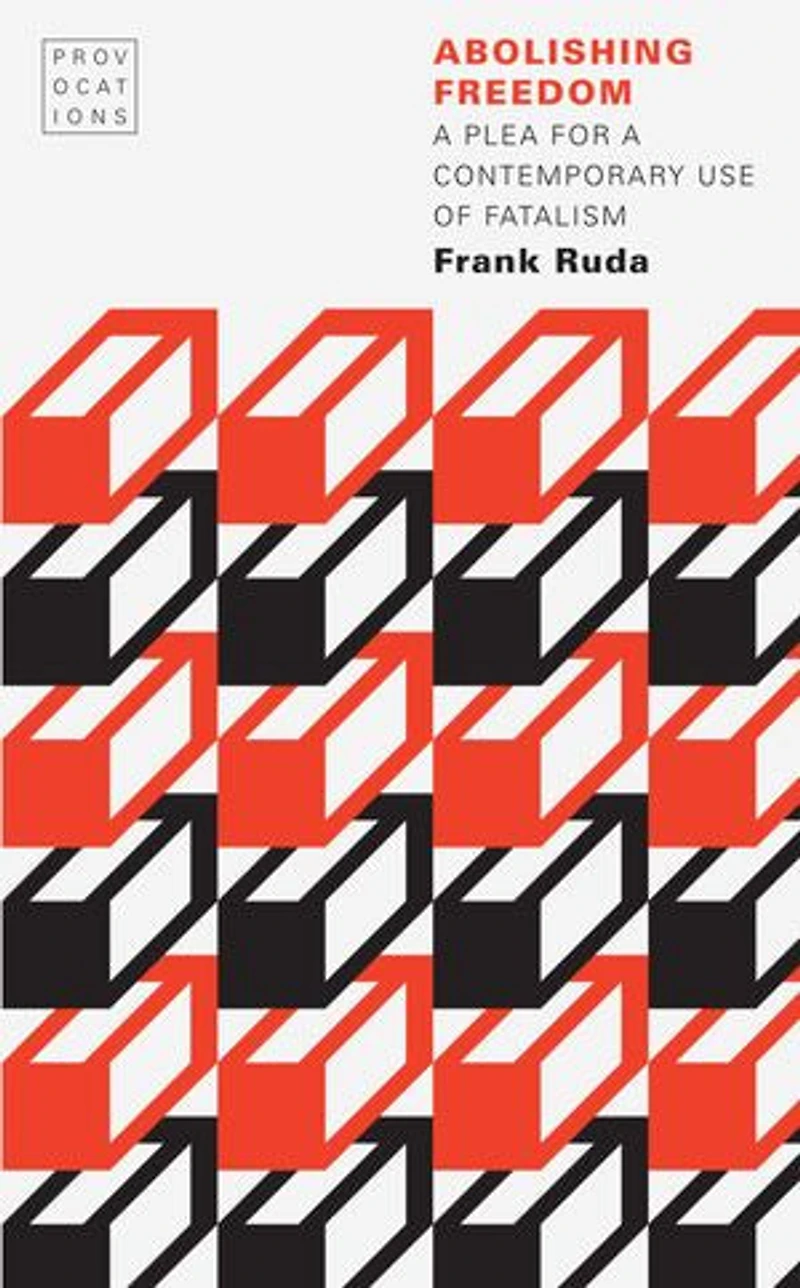
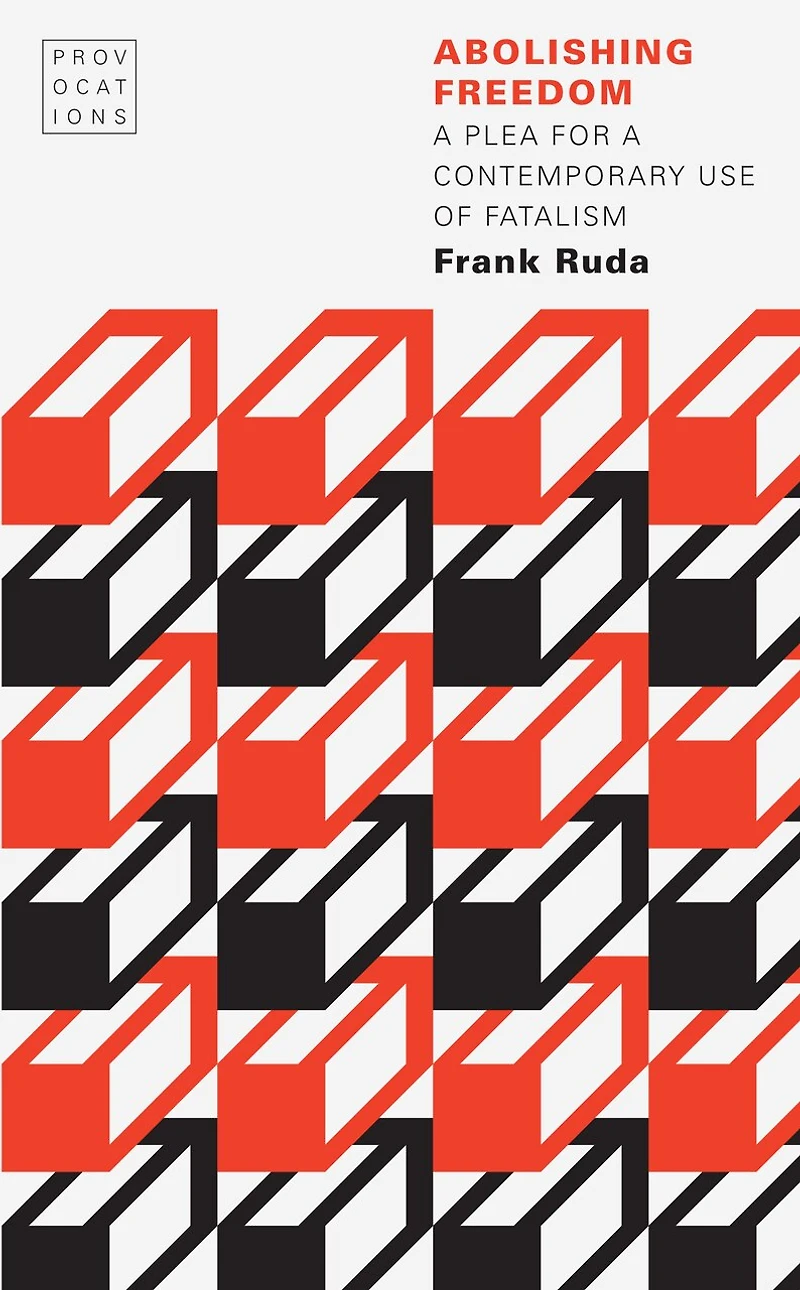
Abolishing Freedom: a Plea for Contemporary Use of Fatalism
Current price: $27.19
Original price: $33.93

Abolishing Freedom: a Plea for Contemporary Use of Fatalism
Current price: $27.19
Original price: $33.93
Loading Inventory...
Size: Kobo eBook
*Product information may vary - to confirm product availability, pricing, shipping and return information please contact Indigo
Pushing back against the contemporary myth that freedom from oppression is freedom of choice, Frank Ruda resuscitates a fundamental lesson from the history of philosophical rationalism: a proper concept of freedom can arise only from a defense of absolute necessity, utter determinism, and predestination.
Abolishing Freedom demonstrates how the greatest philosophers of the rationalist tradition and even their theological predecessors-Luther, Descartes, Kant, Hegel, Freud-defended not only freedom but also predestination and divine providence. By systematically investigating this mostly overlooked and seemingly paradoxical fact, Ruda demonstrates how real freedom conceptually presupposes the assumption that the worst has always already happened; in short, fatalism. In this brisk and witty interrogation of freedom, Ruda argues that only rationalist fatalism can cure the contemporary sickness whose paradoxical name today is freedom.
Pushing back against the contemporary myth that freedom from oppression is freedom of choice, Frank Ruda resuscitates a fundamental lesson from the history of philosophical rationalism: a proper concept of freedom can arise only from a defense of absolute necessity, utter determinism, and predestination.
Abolishing Freedom demonstrates how the greatest philosophers of the rationalist tradition and even their theological predecessors-Luther, Descartes, Kant, Hegel, Freud-defended not only freedom but also predestination and divine providence. By systematically investigating this mostly overlooked and seemingly paradoxical fact, Ruda demonstrates how real freedom conceptually presupposes the assumption that the worst has always already happened; in short, fatalism. In this brisk and witty interrogation of freedom, Ruda argues that only rationalist fatalism can cure the contemporary sickness whose paradoxical name today is freedom.
You May Also Like








More About Indigo at Erin Mills Town Centre
The largest book retailer in Canada also offers toys, music, home décor, gifts and lifestyle products. What's Inside...Books, Magazines, CD’s and DVD’s, Toys and Gifts, Home Accents, Electronics, Baby’s and Children’s Section, Bath and Body, Kitchen and Bedroom, Stationary Located outside in the exterior plaza.
5015 Glen Erin Dr, Mississauga, ON L5M 0R7, Canada
Find Indigo at Erin Mills Town Centre in Mississauga ON
Visit Indigo at Erin Mills Town Centre in Mississauga ON