

GIVE THE PERFECT GIFT
Erin Mills Town Centre Gift Cards are the perfect choice for your gift giving needs.Purchase gift cards at kiosks near the food court or centre court, at Guest Services, or click below to purchase online.PURCHASE HEREHome
Abolition and The Rise of US Environmentalism: Literature Politics Free Soil
Indigo
Loading Inventory...
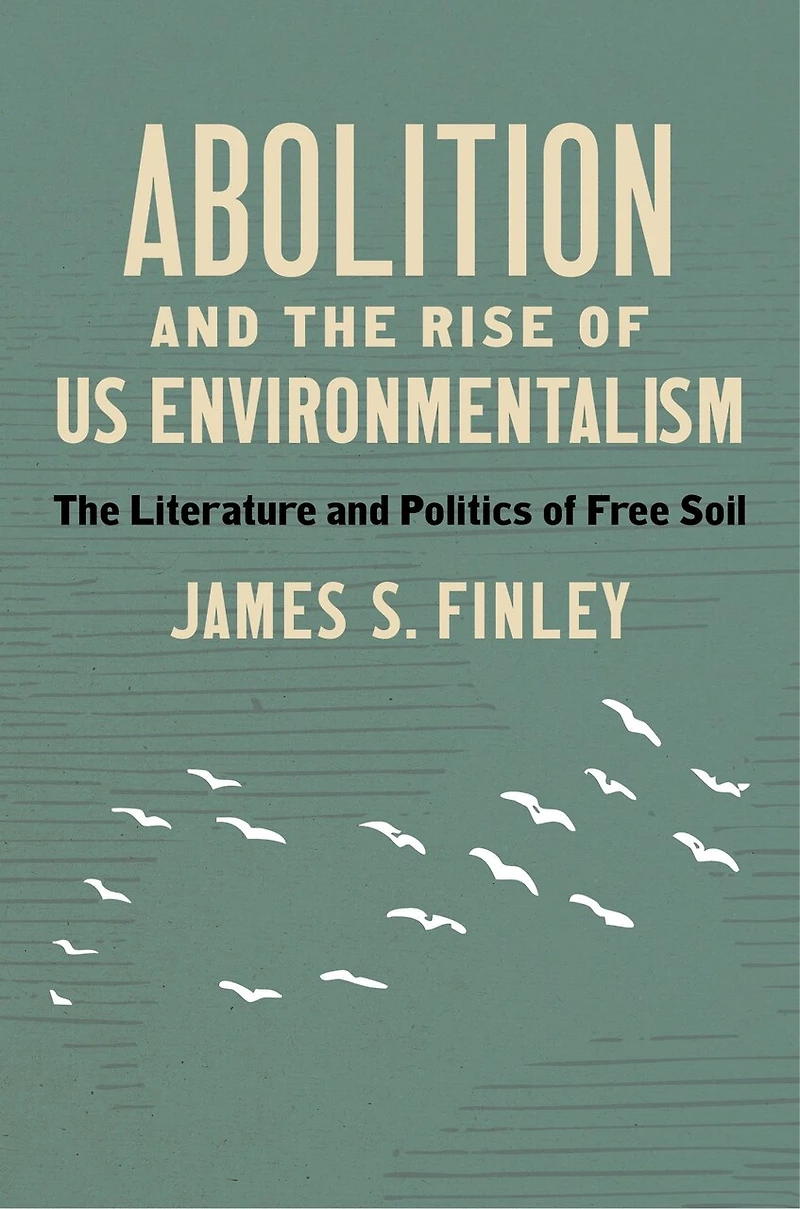
Abolition and The Rise of US Environmentalism: Literature Politics Free Soil
Current price: $133.95

Abolition and The Rise of US Environmentalism: Literature Politics Free Soil
Current price: $133.95
Loading Inventory...
Size: Hardcover
*Product information may vary - to confirm product availability, pricing, shipping and return information please contact Indigo
By the 1840s, many Americans recognized that the institution of slavery was destroying Southern landscapes while threatening to expand into the West. An increasing number of white Northerners believed that surrounding areas where slavery was legal with so-called free soil would hasten its collapse and forestall an environmental crisis. James S. Finley addresses this understudied intersection of US antislavery and environmental politics in the two decades before the Civil War, arguing that the debate over free soil—what it should look like and who should have access to this land—was an underrecognized precursor of modern American environmentalist movements.
Through the work of a group of Black writers and thinkers, the Free-Soil movement’s white supremacist underpinnings were challenged by an ecosocial vision that centered democratic communities and sustainable labor. By analyzing the output of authors who advocated for truly free soil, such as Frederick Douglass and Henry Highland Garnet, Finley finds commonalities in their attempts to reenvision communal relations between individuals and the land with contemporary movements for racial and environmental justice.
By the 1840s, many Americans recognized that the institution of slavery was destroying Southern landscapes while threatening to expand into the West. An increasing number of white Northerners believed that surrounding areas where slavery was legal with so-called free soil would hasten its collapse and forestall an environmental crisis. James S. Finley addresses this understudied intersection of US antislavery and environmental politics in the two decades before the Civil War, arguing that the debate over free soil—what it should look like and who should have access to this land—was an underrecognized precursor of modern American environmentalist movements.
Through the work of a group of Black writers and thinkers, the Free-Soil movement’s white supremacist underpinnings were challenged by an ecosocial vision that centered democratic communities and sustainable labor. By analyzing the output of authors who advocated for truly free soil, such as Frederick Douglass and Henry Highland Garnet, Finley finds commonalities in their attempts to reenvision communal relations between individuals and the land with contemporary movements for racial and environmental justice.
You May Also Like










More About Indigo at Erin Mills Town Centre
The largest book retailer in Canada also offers toys, music, home décor, gifts and lifestyle products. What's Inside...Books, Magazines, CD’s and DVD’s, Toys and Gifts, Home Accents, Electronics, Baby’s and Children’s Section, Bath and Body, Kitchen and Bedroom, Stationary Located outside in the exterior plaza.
5015 Glen Erin Dr, Mississauga, ON L5M 0R7, Canada
Find Indigo at Erin Mills Town Centre in Mississauga ON
Visit Indigo at Erin Mills Town Centre in Mississauga ON