

GIVE THE PERFECT GIFT
Erin Mills Town Centre Gift Cards are the perfect choice for your gift giving needs.Purchase gift cards at kiosks near the food court or centre court, at Guest Services, or click below to purchase online.PURCHASE HEREHome
Above the Flood: Elevating Your Floodprone House (FEMA 347 / May 2000)
Indigo
Loading Inventory...
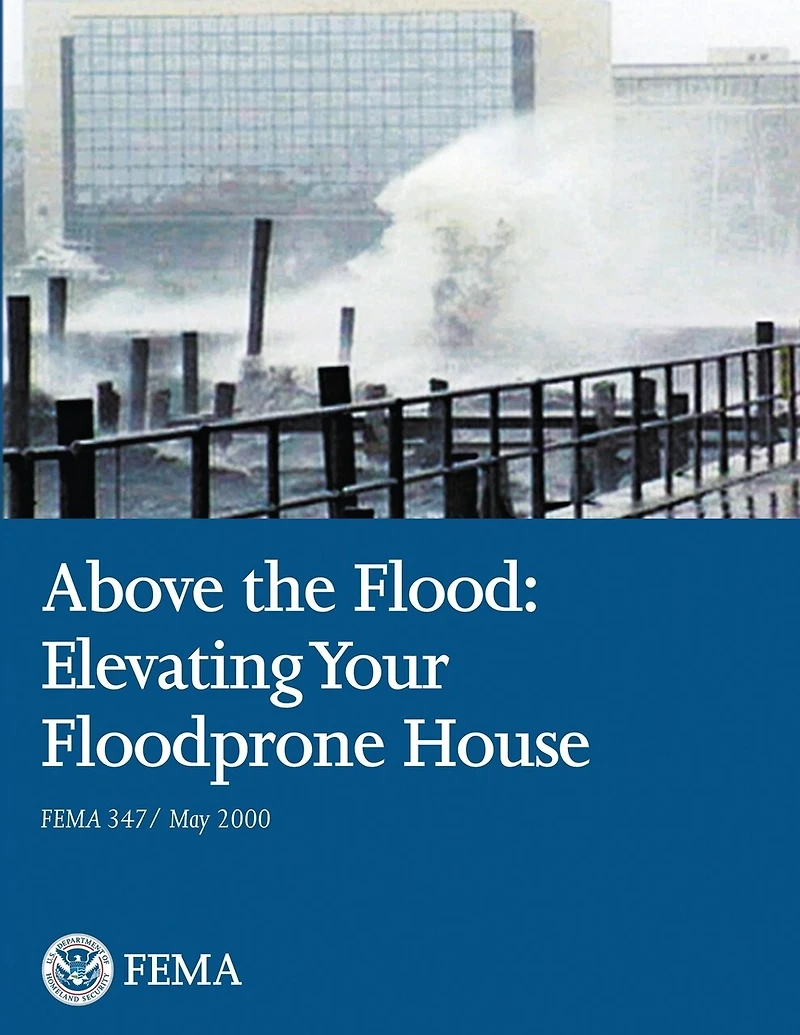
Above the Flood: Elevating Your Floodprone House (FEMA 347 / May 2000)
Current price: $12.95

Above the Flood: Elevating Your Floodprone House (FEMA 347 / May 2000)
Current price: $12.95
Loading Inventory...
Size: Paperback
*Product information may vary - to confirm product availability, pricing, shipping and return information please contact Indigo
In the early morning hours of August 24, 1992, Hurricane Andrew struck south Florida with high winds and heavy rains. Andrew destroyed tens of thousands of homes and left 180,000 people homeless. The resulting property damage totaled over 30 billion dollars. The widespread destruction caused by Andrew was due primarily to high winds. However, flood waters contributed to the damage in low-lying coastal areas of central and southern Miami-Dade County. In the repair and reconstruction efforts that followed Hurricane Andrew, owners of damaged houses had opportunities to modify their houses to protect them from future flood damage. One effective method of protecting a house from flooding is elevating the habitable areas of the house above the flood level. Almost all single-family homes in Miami-Dade County are constructed with reinforced masonry block walls on a slab-on-grade foundation. Houses of this type are the most difficult to elevate for flood protection. This publication describes how homeowners in Miami-Dade County elevat¬ed their damaged slab-on-grade masonry houses following the devastating effects of Hurricane Andrew. Chapter 2 of this publication explains how the Federal Emergency Man¬agement Agency (FEMA) provided technical and regulatory guidance to Miami-Dade County homeowners concerning alternative house elevation techniques. Chapter 3 presents an overview of three common techniques appropriate for a variety of houses on different types of foundations. Chapter 4 uses eight illustrated case studies to demonstrate how Miami- Dade County homeowners used the three techniques to elevate their slab-on-grade houses. The benefits of elevating a floodprone house are summarized in Chapter 5.
In the early morning hours of August 24, 1992, Hurricane Andrew struck south Florida with high winds and heavy rains. Andrew destroyed tens of thousands of homes and left 180,000 people homeless. The resulting property damage totaled over 30 billion dollars. The widespread destruction caused by Andrew was due primarily to high winds. However, flood waters contributed to the damage in low-lying coastal areas of central and southern Miami-Dade County. In the repair and reconstruction efforts that followed Hurricane Andrew, owners of damaged houses had opportunities to modify their houses to protect them from future flood damage. One effective method of protecting a house from flooding is elevating the habitable areas of the house above the flood level. Almost all single-family homes in Miami-Dade County are constructed with reinforced masonry block walls on a slab-on-grade foundation. Houses of this type are the most difficult to elevate for flood protection. This publication describes how homeowners in Miami-Dade County elevat¬ed their damaged slab-on-grade masonry houses following the devastating effects of Hurricane Andrew. Chapter 2 of this publication explains how the Federal Emergency Man¬agement Agency (FEMA) provided technical and regulatory guidance to Miami-Dade County homeowners concerning alternative house elevation techniques. Chapter 3 presents an overview of three common techniques appropriate for a variety of houses on different types of foundations. Chapter 4 uses eight illustrated case studies to demonstrate how Miami- Dade County homeowners used the three techniques to elevate their slab-on-grade houses. The benefits of elevating a floodprone house are summarized in Chapter 5.
You May Also Like


















More About Indigo at Erin Mills Town Centre
The largest book retailer in Canada also offers toys, music, home décor, gifts and lifestyle products. What's Inside...Books, Magazines, CD’s and DVD’s, Toys and Gifts, Home Accents, Electronics, Baby’s and Children’s Section, Bath and Body, Kitchen and Bedroom, Stationary Located outside in the exterior plaza.
5015 Glen Erin Dr, Mississauga, ON L5M 0R7, Canada
Find Indigo at Erin Mills Town Centre in Mississauga ON
Visit Indigo at Erin Mills Town Centre in Mississauga ON