

GIVE THE PERFECT GIFT
Erin Mills Town Centre Gift Cards are the perfect choice for your gift giving needs.Purchase gift cards at kiosks near the food court or centre court, at Guest Services, or click below to purchase online.PURCHASE HEREHome
Abraham Lincoln and Liberal Democracy
Indigo
Loading Inventory...

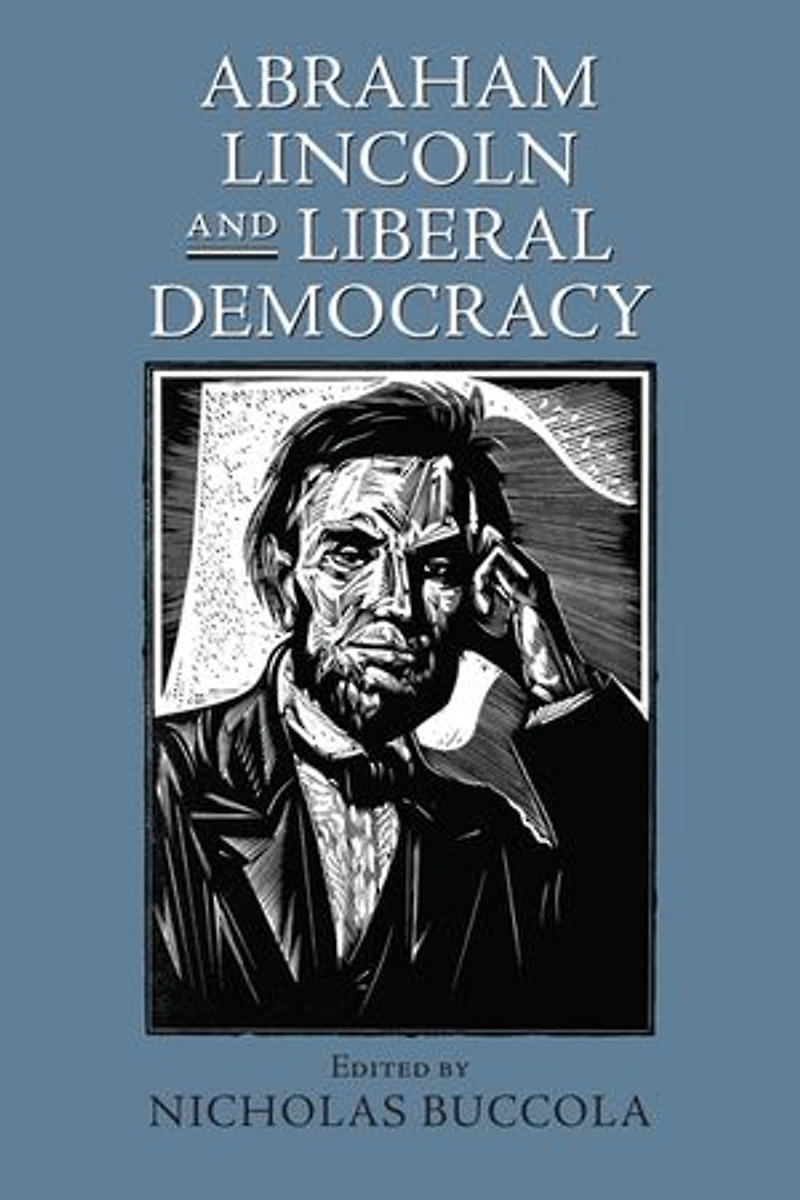
Abraham Lincoln and Liberal Democracy
Current price: $134.95

Abraham Lincoln and Liberal Democracy
Current price: $134.95
Loading Inventory...
Size: Hardcover
*Product information may vary - to confirm product availability, pricing, shipping and return information please contact Indigo
Though Abraham Lincoln was not a political philosopher per se, in word and in deed he did grapple with many of the most pressing and timeless questions in politics. What is the moral basis of popular sovereignty? What are the proper limits on the will of the majority? When and why should we revere the law? What are we to do when the letter of the law is at odds with what we believe justice requires? How is our devotion to a particular nation related to our commitment to universal ideals? What is the best way to protect the right to liberty for all people? The contributors to this volume, a methodologically and ideologically diverse group of scholars, examine Lincoln's responses to these and other ultimate questions in politics. The result is a fascinating portrait of not only Abraham Lincoln but also the promises and paradoxes of liberal democracy.
The basic liberal democratic idea is that individual liberty is best secured by a democratic political order that treats all citizens as equals before the law and is governed by the law, with its limits on how the state may treat its citizens and on how citizens may treat one another. Though wonderfully coherent in theory, these ideas prove problematic in real-world politics. The authors of this volume approach Lincoln as the embodiment of this paradox—“naturally antislavery” yet unflinchingly committed to defending proslavery laws; defender of the common man but troubled by the excesses of democracy; devoted to the idea of equal natural rights yet unable to imagine a harmonious, interracial democracy. Considering Lincoln as he attempted to work out the meaning and coherence of the liberal democratic project in practice, these authors craft a profile of the 16th president's political thought from a variety of perspectives and through multiple lenses. Together their essays create the first fully-dimensional portrait of Abraham Lincoln as a political actor, expressing, addressing, and reframing the perennial questions of liberal democracy for his time and our own.
Table of Contents
Acknowledgments
Introduction, Nicholas Buccola
Part One. Lincoln and Democracy
1. Prosperity and Tyranny in Lincoln's Lyceum Address, John Burt
2. Providentialism and Politics: Lincoln's Second Inaugural Address and the Problem of Democracy, Michael Zuckert
Part Two. Lincoln and Liberty
3. Lincoln and the Ethics of Emancipation: Universalism, Nationalism, Exceptionalism, Dorothy Ross
4. What If Honest Abe Was Telling the Truth? Natural Rights, Race, and Legalism in the Political Thought of Lincoln, Nicholas Buccola
Part Three. Lincoln and Equality
5. "The Vital Element of the Republican Party": Antislavery, Nativism, and Lincoln, Bruce Levine
6. Lincoln's Competing Political Loyalties: Antislavery, Union, and the Constitution, Manisha Sinha
Part Four. Lincoln as a Liberal Democratic Statesman
7. Four Roads to Emancipation: Lincoln, the Law, and the Proclamation, Allen Guelzo
8. Lincoln's Kantian Republic
Contributors
Index
Though Abraham Lincoln was not a political philosopher per se, in word and in deed he did grapple with many of the most pressing and timeless questions in politics. What is the moral basis of popular sovereignty? What are the proper limits on the will of the majority? When and why should we revere the law? What are we to do when the letter of the law is at odds with what we believe justice requires? How is our devotion to a particular nation related to our commitment to universal ideals? What is the best way to protect the right to liberty for all people? The contributors to this volume, a methodologically and ideologically diverse group of scholars, examine Lincoln's responses to these and other ultimate questions in politics. The result is a fascinating portrait of not only Abraham Lincoln but also the promises and paradoxes of liberal democracy.
The basic liberal democratic idea is that individual liberty is best secured by a democratic political order that treats all citizens as equals before the law and is governed by the law, with its limits on how the state may treat its citizens and on how citizens may treat one another. Though wonderfully coherent in theory, these ideas prove problematic in real-world politics. The authors of this volume approach Lincoln as the embodiment of this paradox—“naturally antislavery” yet unflinchingly committed to defending proslavery laws; defender of the common man but troubled by the excesses of democracy; devoted to the idea of equal natural rights yet unable to imagine a harmonious, interracial democracy. Considering Lincoln as he attempted to work out the meaning and coherence of the liberal democratic project in practice, these authors craft a profile of the 16th president's political thought from a variety of perspectives and through multiple lenses. Together their essays create the first fully-dimensional portrait of Abraham Lincoln as a political actor, expressing, addressing, and reframing the perennial questions of liberal democracy for his time and our own.
Table of Contents
Acknowledgments
Introduction, Nicholas Buccola
Part One. Lincoln and Democracy
1. Prosperity and Tyranny in Lincoln's Lyceum Address, John Burt
2. Providentialism and Politics: Lincoln's Second Inaugural Address and the Problem of Democracy, Michael Zuckert
Part Two. Lincoln and Liberty
3. Lincoln and the Ethics of Emancipation: Universalism, Nationalism, Exceptionalism, Dorothy Ross
4. What If Honest Abe Was Telling the Truth? Natural Rights, Race, and Legalism in the Political Thought of Lincoln, Nicholas Buccola
Part Three. Lincoln and Equality
5. "The Vital Element of the Republican Party": Antislavery, Nativism, and Lincoln, Bruce Levine
6. Lincoln's Competing Political Loyalties: Antislavery, Union, and the Constitution, Manisha Sinha
Part Four. Lincoln as a Liberal Democratic Statesman
7. Four Roads to Emancipation: Lincoln, the Law, and the Proclamation, Allen Guelzo
8. Lincoln's Kantian Republic
Contributors
Index
You May Also Like








More About Indigo at Erin Mills Town Centre
The largest book retailer in Canada also offers toys, music, home décor, gifts and lifestyle products. What's Inside...Books, Magazines, CD’s and DVD’s, Toys and Gifts, Home Accents, Electronics, Baby’s and Children’s Section, Bath and Body, Kitchen and Bedroom, Stationary Located outside in the exterior plaza.
5015 Glen Erin Dr, Mississauga, ON L5M 0R7, Canada
Find Indigo at Erin Mills Town Centre in Mississauga ON
Visit Indigo at Erin Mills Town Centre in Mississauga ON