

GIVE THE PERFECT GIFT
Erin Mills Town Centre Gift Cards are the perfect choice for your gift giving needs.Purchase gift cards at kiosks near the food court or centre court, at Guest Services, or click below to purchase online.PURCHASE HEREHome
Absolute Fiction: Idealist Philosophy and British Literature
Indigo
Loading Inventory...
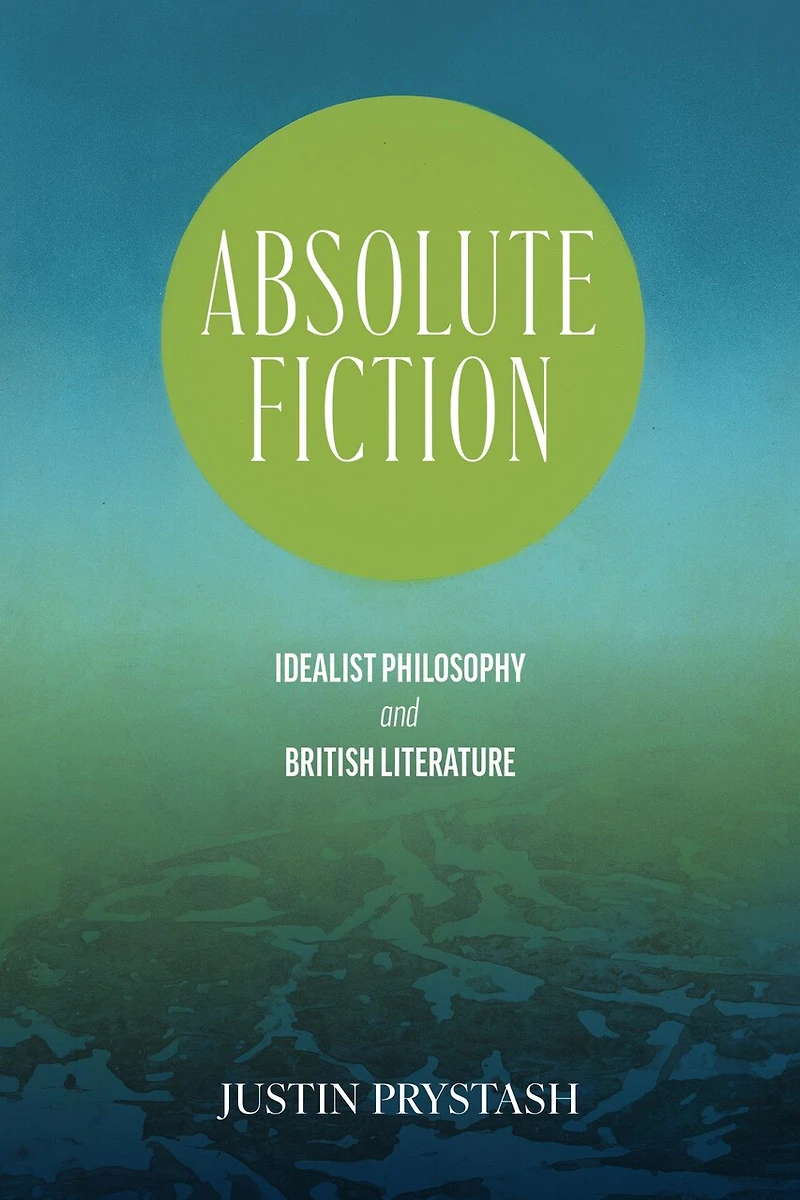
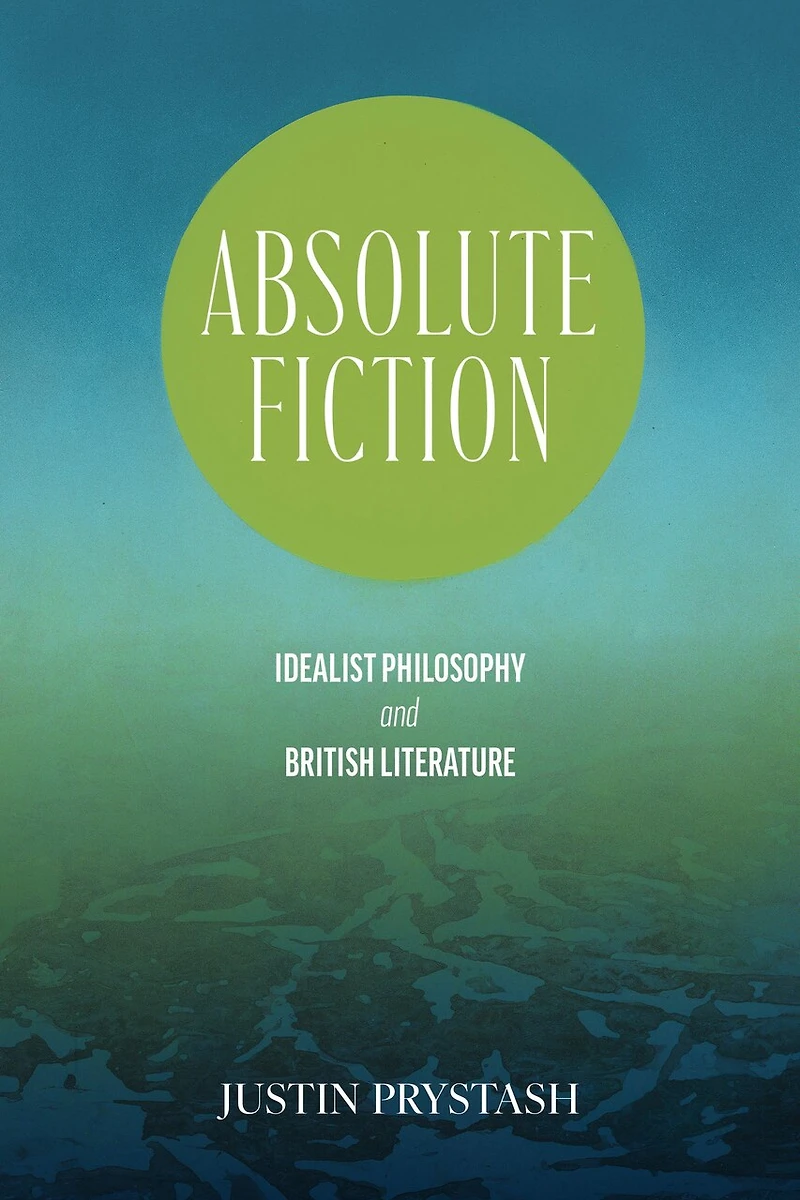
Absolute Fiction: Idealist Philosophy and British Literature
Current price: $162.95

Absolute Fiction: Idealist Philosophy and British Literature
Current price: $162.95
Loading Inventory...
Size: Hardcover
*Product information may vary - to confirm product availability, pricing, shipping and return information please contact Indigo
traces a genealogy from the creative adoption of Hinduism and German Idealism by Coleridge and Carlyle to Aldous Huxley's novelization of Advaita Vedānta. Justin Prystash argues that canonical figures, such as Hegel and George Eliot, as well as overlooked ones, such as May Sinclair and Anukul Chandra Mukerji, found in the Absolute a provocation to account for more and more swaths of reality-accounts that required, at the limits of philosophy, fictional prosthetics. The thematic and formal experimentation of Romanticism, realism, science fiction, horror/weird fiction, and modernism all draw upon Absolute idealism to reconceive subjectivity and ethics. These experiments, far from being antithetical to contemporary literary criticism, reveal it to be more idealist than many would like to acknowledge.
traces a genealogy from the creative adoption of Hinduism and German Idealism by Coleridge and Carlyle to Aldous Huxley's novelization of Advaita Vedānta. Justin Prystash argues that canonical figures, such as Hegel and George Eliot, as well as overlooked ones, such as May Sinclair and Anukul Chandra Mukerji, found in the Absolute a provocation to account for more and more swaths of reality-accounts that required, at the limits of philosophy, fictional prosthetics. The thematic and formal experimentation of Romanticism, realism, science fiction, horror/weird fiction, and modernism all draw upon Absolute idealism to reconceive subjectivity and ethics. These experiments, far from being antithetical to contemporary literary criticism, reveal it to be more idealist than many would like to acknowledge.
You May Also Like








More About Indigo at Erin Mills Town Centre
The largest book retailer in Canada also offers toys, music, home décor, gifts and lifestyle products. What's Inside...Books, Magazines, CD’s and DVD’s, Toys and Gifts, Home Accents, Electronics, Baby’s and Children’s Section, Bath and Body, Kitchen and Bedroom, Stationary Located outside in the exterior plaza.
5015 Glen Erin Dr, Mississauga, ON L5M 0R7, Canada
Find Indigo at Erin Mills Town Centre in Mississauga ON
Visit Indigo at Erin Mills Town Centre in Mississauga ON