

GIVE THE PERFECT GIFT
Erin Mills Town Centre Gift Cards are the perfect choice for your gift giving needs.Purchase gift cards at kiosks near the food court or centre court, at Guest Services, or click below to purchase online.PURCHASE HEREHome
Academic Integrity and the Role of Library: Institutional Examples Promising Practices
Indigo
Loading Inventory...
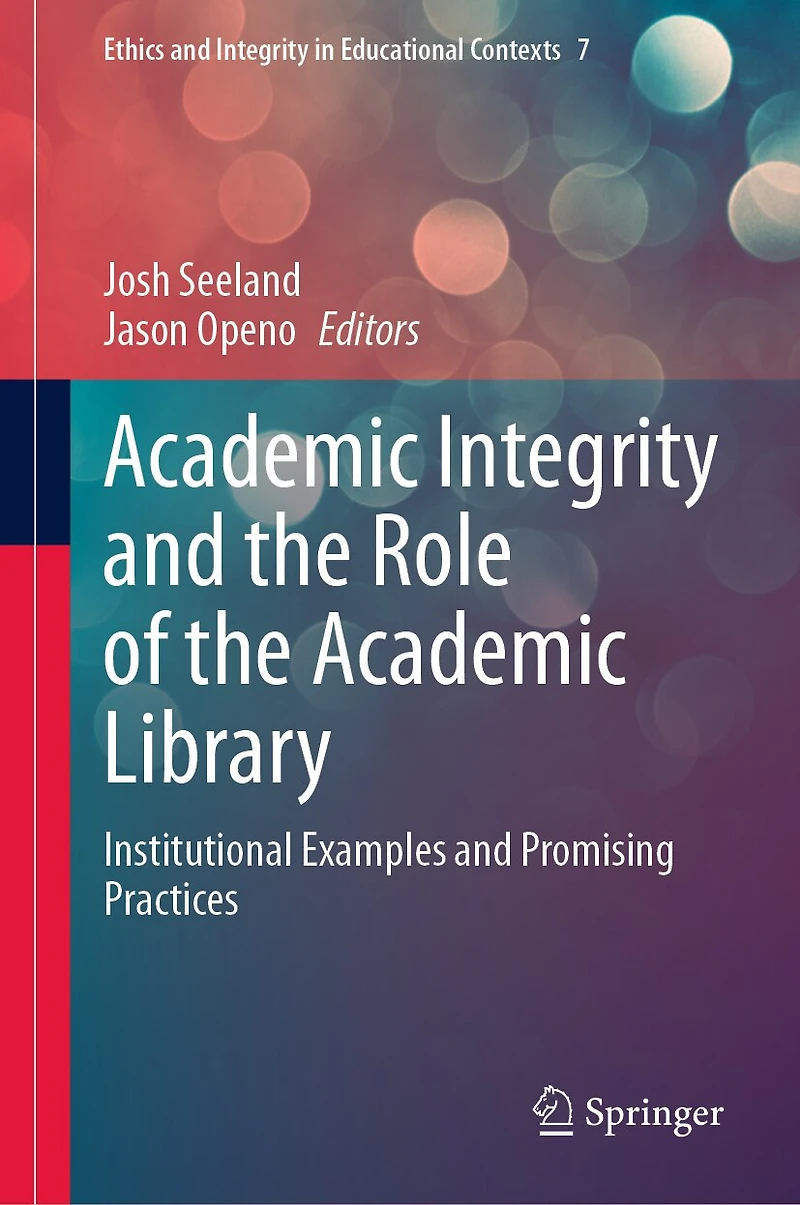

Academic Integrity and the Role of Library: Institutional Examples Promising Practices
Current price: $291.95

Academic Integrity and the Role of Library: Institutional Examples Promising Practices
Current price: $291.95
Loading Inventory...
Size: Hardcover
*Product information may vary - to confirm product availability, pricing, shipping and return information please contact Indigo
This book presents the growing interconnection of two pillars from the world's higher education institutions: academic integrity and libraries. It provides sound examples to extant questions and conversations about whose job it is to teach academic integrity, and what library work is. The role of libraries in supporting academic integrity is not always clear and has not been fully explored. Drawing from library literature and that of academic integrity more broadly, readers are exposed to how libraries are necessary in a holistic approach to academic integrity. Education about academic integrity and the prevention of academic misconduct, for not only students but other institutional stakeholders, are demonstrated as occurring optimally in positive, supportive, and proactive ways. The book details numerous ways in which librarians can work with faculty and other stakeholders using established frameworks such as information literacy and blended librarianship as well as innovative platforms and content. Other contributions involve the identification of potential academic misconduct and administration of academic integrity policies to complete the cycle recommended by the frameworks of global educational quality organizations (QAA, TEQSA). Initiatives presented in the book include those at the course level and institution-wide initiatives involving curriculum, policy, and supports for faculty and students. Also contained are efforts occurring at a national level within professional networks , in addition to international library curriculum. This book provides inspiration to institutions and academic libraries of any size and scope to embrace this emerging role in creating cultures of academic integrity.
This book presents the growing interconnection of two pillars from the world's higher education institutions: academic integrity and libraries. It provides sound examples to extant questions and conversations about whose job it is to teach academic integrity, and what library work is. The role of libraries in supporting academic integrity is not always clear and has not been fully explored. Drawing from library literature and that of academic integrity more broadly, readers are exposed to how libraries are necessary in a holistic approach to academic integrity. Education about academic integrity and the prevention of academic misconduct, for not only students but other institutional stakeholders, are demonstrated as occurring optimally in positive, supportive, and proactive ways. The book details numerous ways in which librarians can work with faculty and other stakeholders using established frameworks such as information literacy and blended librarianship as well as innovative platforms and content. Other contributions involve the identification of potential academic misconduct and administration of academic integrity policies to complete the cycle recommended by the frameworks of global educational quality organizations (QAA, TEQSA). Initiatives presented in the book include those at the course level and institution-wide initiatives involving curriculum, policy, and supports for faculty and students. Also contained are efforts occurring at a national level within professional networks , in addition to international library curriculum. This book provides inspiration to institutions and academic libraries of any size and scope to embrace this emerging role in creating cultures of academic integrity.
You May Also Like











More About Indigo at Erin Mills Town Centre
The largest book retailer in Canada also offers toys, music, home décor, gifts and lifestyle products. What's Inside...Books, Magazines, CD’s and DVD’s, Toys and Gifts, Home Accents, Electronics, Baby’s and Children’s Section, Bath and Body, Kitchen and Bedroom, Stationary Located outside in the exterior plaza.
5015 Glen Erin Dr, Mississauga, ON L5M 0R7, Canada
Find Indigo at Erin Mills Town Centre in Mississauga ON
Visit Indigo at Erin Mills Town Centre in Mississauga ON