

GIVE THE PERFECT GIFT
Erin Mills Town Centre Gift Cards are the perfect choice for your gift giving needs.Purchase gift cards at kiosks near the food court or centre court, at Guest Services, or click below to purchase online.PURCHASE HEREHome
Academy Dictionaries 1600–1800
Indigo
Loading Inventory...
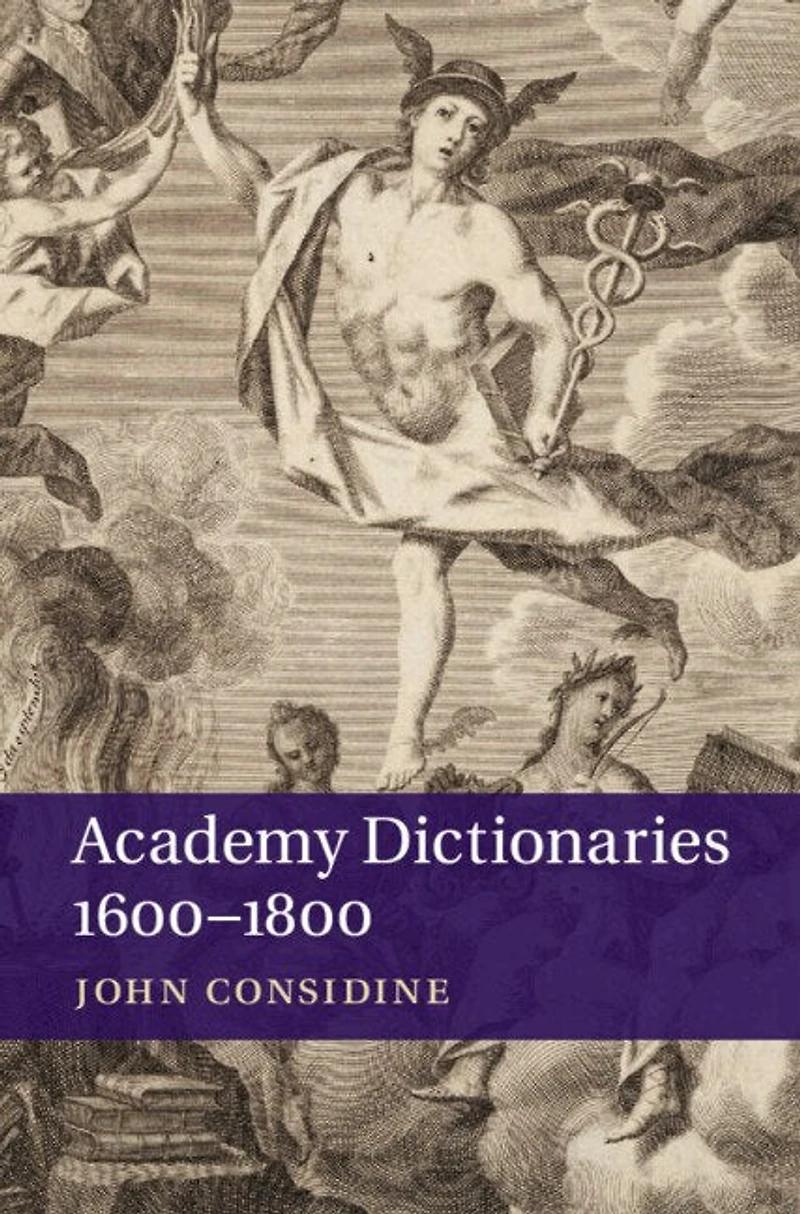
Academy Dictionaries 1600–1800
Current price: $85.95

Academy Dictionaries 1600–1800
Current price: $85.95
Loading Inventory...
Size: Hardcover
*Product information may vary - to confirm product availability, pricing, shipping and return information please contact Indigo
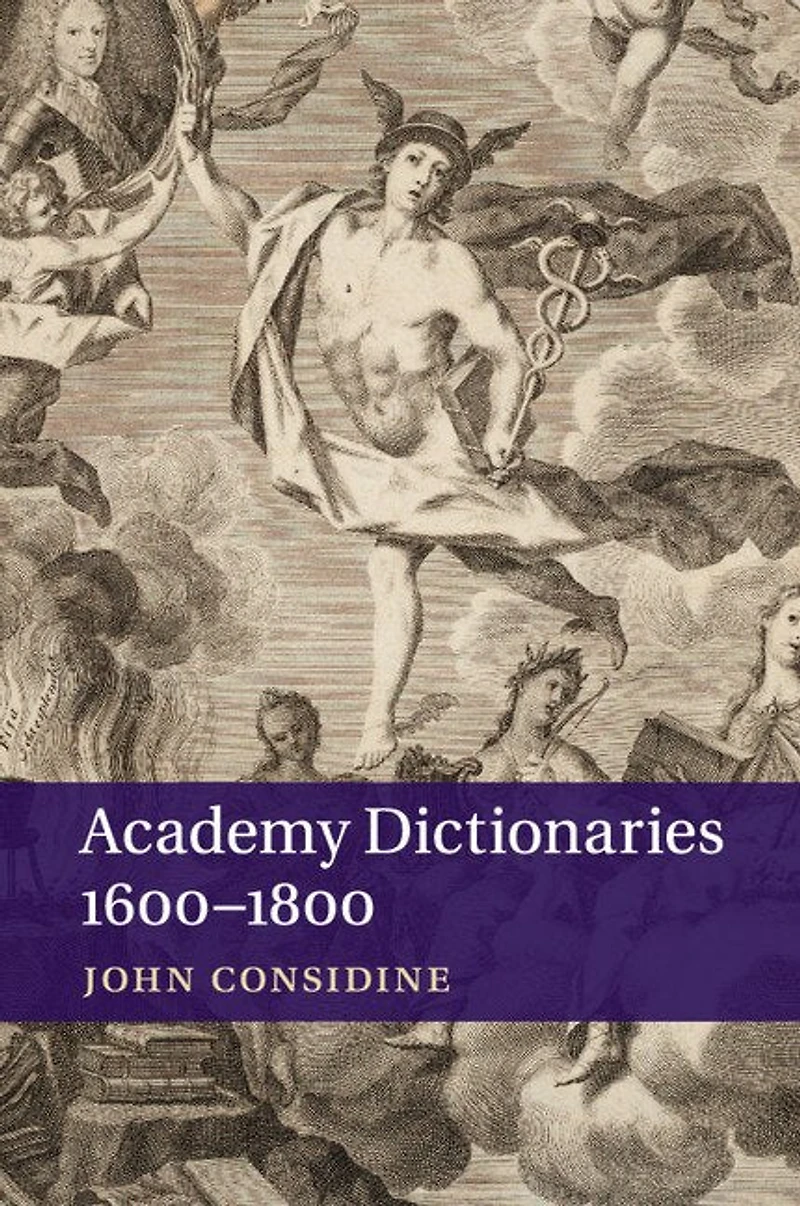
This is the first unified history of the large, prestigious dictionaries of the seventeenth and eighteenth centuries, compiled in academies, which set out to glorify living European languages. The tradition began with the Vocabolario degli Accademici della Crusca (1612) in Florence and the Dictionnaire de l'Académie françoise (1694) in Paris, and spread across Europe - to Germany, Spain, England, Denmark, Sweden, the Netherlands, Portugal, and Russia - in the eighteenth century, engaging students of language as diverse as Leibniz, Samuel Johnson, and Catherine the Great. All the major academy and academy-style dictionaries of the period up to 1800, published and unpublished, are discussed in a single narrative, bridging national and linguistic boundaries, to offer a history of lexicography on a European scale. Like John Considine's Dictionaries in Early Modern Europe (Cambridge University Press, 2008), this study treats dictionaries both as physical books and as ambitious works of the human imagination.
This is the first unified history of the large, prestigious dictionaries of the seventeenth and eighteenth centuries, compiled in academies, which set out to glorify living European languages. The tradition began with the Vocabolario degli Accademici della Crusca (1612) in Florence and the Dictionnaire de l'Académie françoise (1694) in Paris, and spread across Europe - to Germany, Spain, England, Denmark, Sweden, the Netherlands, Portugal, and Russia - in the eighteenth century, engaging students of language as diverse as Leibniz, Samuel Johnson, and Catherine the Great. All the major academy and academy-style dictionaries of the period up to 1800, published and unpublished, are discussed in a single narrative, bridging national and linguistic boundaries, to offer a history of lexicography on a European scale. Like John Considine's Dictionaries in Early Modern Europe (Cambridge University Press, 2008), this study treats dictionaries both as physical books and as ambitious works of the human imagination.
You May Also Like








More About Indigo at Erin Mills Town Centre
The largest book retailer in Canada also offers toys, music, home décor, gifts and lifestyle products. What's Inside...Books, Magazines, CD’s and DVD’s, Toys and Gifts, Home Accents, Electronics, Baby’s and Children’s Section, Bath and Body, Kitchen and Bedroom, Stationary Located outside in the exterior plaza.
5015 Glen Erin Dr, Mississauga, ON L5M 0R7, Canada
Find Indigo at Erin Mills Town Centre in Mississauga ON
Visit Indigo at Erin Mills Town Centre in Mississauga ON