

GIVE THE PERFECT GIFT
Erin Mills Town Centre Gift Cards are the perfect choice for your gift giving needs.Purchase gift cards at kiosks near the food court or centre court, at Guest Services, or click below to purchase online.PURCHASE HEREHome
Access Control, Security, and Trust: A Logical Approach
Indigo
Loading Inventory...
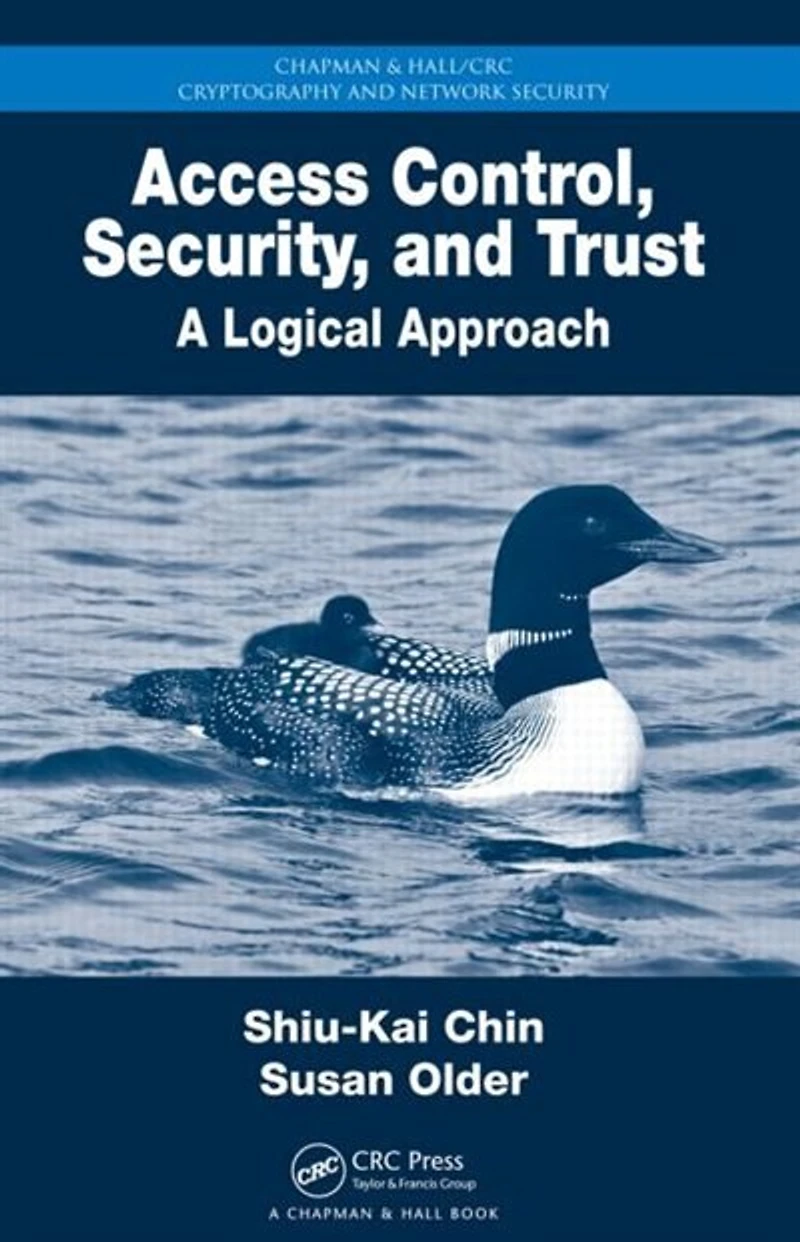
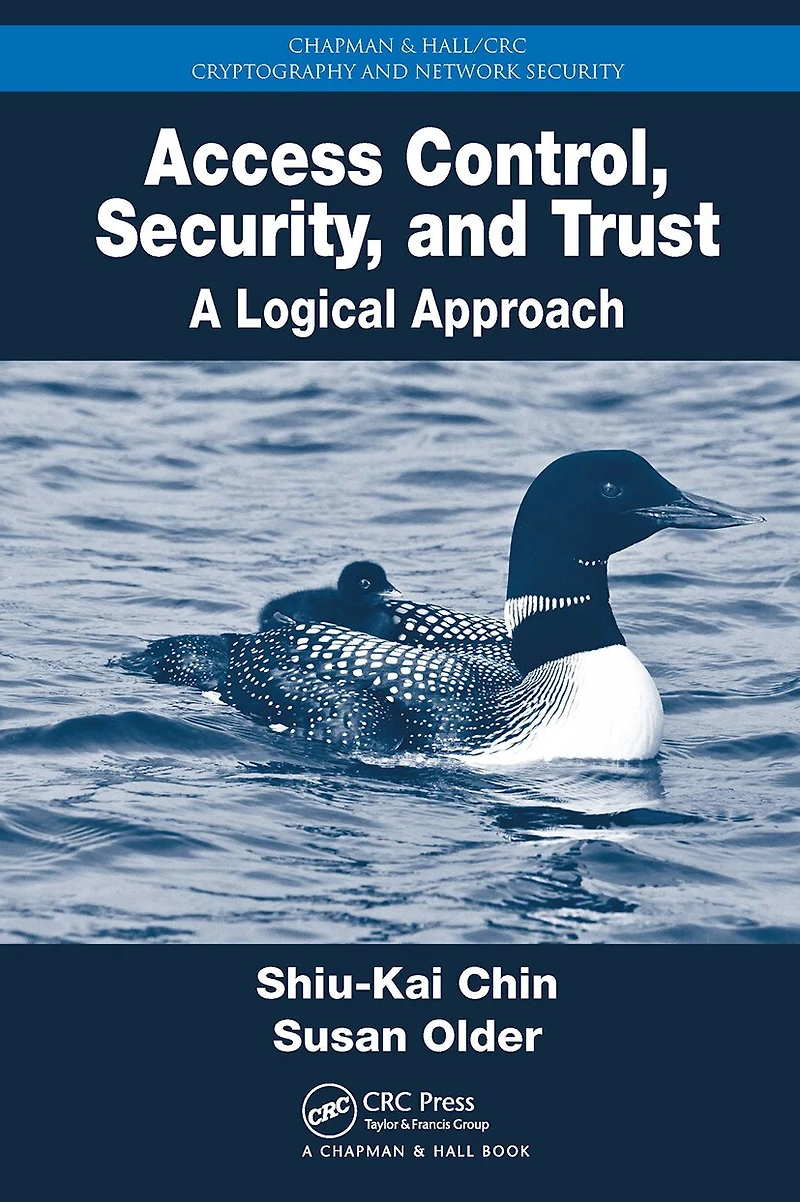
Access Control, Security, and Trust: A Logical Approach
Current price: $244.50

Access Control, Security, and Trust: A Logical Approach
Current price: $244.50
Loading Inventory...
Size: Hardcover
*Product information may vary - to confirm product availability, pricing, shipping and return information please contact Indigo
Developed from the authors' courses at Syracuse University and the U.S. Air Force Research Laboratory, Access Control, Security, and Trust: A Logical Approach equips readers with an access control logic they can use to specify and verify their security designs. Throughout the text, the authors use a single access control logic based on a simple propositional modal logic. The first part of the book presents the syntax and semantics of access control logic, basic access control concepts, and an introduction to confidentiality and integrity policies. The second section covers access control in networks, delegation, protocols, and the use of cryptography. In the third section, the authors focus on hardware and virtual machines. The final part discusses confidentiality, integrity, and role-based access control. Taking a logical, rigorous approach to access control, this book shows how logic is a useful tool for analyzing security designs and spelling out the conditions upon which access control decisions depend. It is designed for computer engineers and computer scientists who are responsible for designing, implementing, and verifying secure computer and information systems.
Developed from the authors' courses at Syracuse University and the U.S. Air Force Research Laboratory, Access Control, Security, and Trust: A Logical Approach equips readers with an access control logic they can use to specify and verify their security designs. Throughout the text, the authors use a single access control logic based on a simple propositional modal logic. The first part of the book presents the syntax and semantics of access control logic, basic access control concepts, and an introduction to confidentiality and integrity policies. The second section covers access control in networks, delegation, protocols, and the use of cryptography. In the third section, the authors focus on hardware and virtual machines. The final part discusses confidentiality, integrity, and role-based access control. Taking a logical, rigorous approach to access control, this book shows how logic is a useful tool for analyzing security designs and spelling out the conditions upon which access control decisions depend. It is designed for computer engineers and computer scientists who are responsible for designing, implementing, and verifying secure computer and information systems.
You May Also Like








More About Indigo at Erin Mills Town Centre
The largest book retailer in Canada also offers toys, music, home décor, gifts and lifestyle products. What's Inside...Books, Magazines, CD’s and DVD’s, Toys and Gifts, Home Accents, Electronics, Baby’s and Children’s Section, Bath and Body, Kitchen and Bedroom, Stationary Located outside in the exterior plaza.
5015 Glen Erin Dr, Mississauga, ON L5M 0R7, Canada
Find Indigo at Erin Mills Town Centre in Mississauga ON
Visit Indigo at Erin Mills Town Centre in Mississauga ON