

GIVE THE PERFECT GIFT
Erin Mills Town Centre Gift Cards are the perfect choice for your gift giving needs.Purchase gift cards at kiosks near the food court or centre court, at Guest Services, or click below to purchase online.PURCHASE HEREHome
Accounting Principles: The Easy Way to Understand Generally Accepted Accounting Principles
Indigo
Loading Inventory...
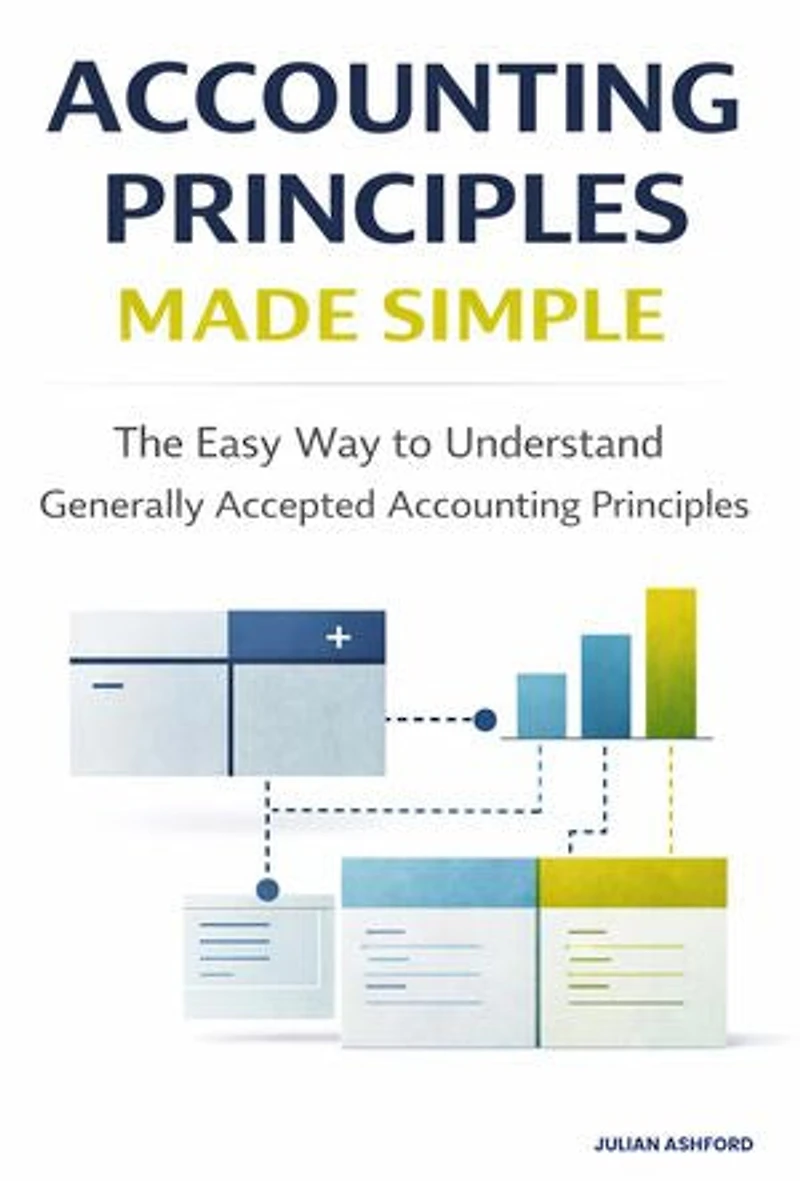
Accounting Principles: The Easy Way to Understand Generally Accepted Accounting Principles
Current price: $13.62

Accounting Principles: The Easy Way to Understand Generally Accepted Accounting Principles
Current price: $13.62
Loading Inventory...
Size: Kobo eBook
*Product information may vary - to confirm product availability, pricing, shipping and return information please contact Indigo
Accounting Principles Made Simple explains the foundations of Generally Accepted Accounting Principles (GAAP) and how they shape financial reporting in the United States, including what GAAP is, why it was developed, and how it compares with International Financial Reporting Standards (IFRS). It introduces core accounting concepts such as debits and credits, double-entry accounting, the chart of accounts, the general ledger, T-accounts, and trial balances, with definitions supported by practical examples. The book is written for beginners who need a structured overview of accounting basics, including small business owners, early-stage entrepreneurs, and readers building bookkeeping skills for work or study. It outlines how to choose between cash and accrual accounting, then walks through the accounting cycle and closing process, including common closing entries. Later chapters cover selected GAAP-related applications such as depreciation methods, amortization and intangible assets, inventory and cost of goods sold (including FIFO, LIFO, and average cost), and selected financial ratios, presenting an explanatory, example-driven approach rather than a technical reference.
Accounting Principles Made Simple explains the foundations of Generally Accepted Accounting Principles (GAAP) and how they shape financial reporting in the United States, including what GAAP is, why it was developed, and how it compares with International Financial Reporting Standards (IFRS). It introduces core accounting concepts such as debits and credits, double-entry accounting, the chart of accounts, the general ledger, T-accounts, and trial balances, with definitions supported by practical examples. The book is written for beginners who need a structured overview of accounting basics, including small business owners, early-stage entrepreneurs, and readers building bookkeeping skills for work or study. It outlines how to choose between cash and accrual accounting, then walks through the accounting cycle and closing process, including common closing entries. Later chapters cover selected GAAP-related applications such as depreciation methods, amortization and intangible assets, inventory and cost of goods sold (including FIFO, LIFO, and average cost), and selected financial ratios, presenting an explanatory, example-driven approach rather than a technical reference.
You May Also Like












More About Indigo at Erin Mills Town Centre
The largest book retailer in Canada also offers toys, music, home décor, gifts and lifestyle products. What's Inside...Books, Magazines, CD’s and DVD’s, Toys and Gifts, Home Accents, Electronics, Baby’s and Children’s Section, Bath and Body, Kitchen and Bedroom, Stationary Located outside in the exterior plaza.
5015 Glen Erin Dr, Mississauga, ON L5M 0R7, Canada
Find Indigo at Erin Mills Town Centre in Mississauga ON
Visit Indigo at Erin Mills Town Centre in Mississauga ON