

GIVE THE PERFECT GIFT
Erin Mills Town Centre Gift Cards are the perfect choice for your gift giving needs.Purchase gift cards at kiosks near the food court or centre court, at Guest Services, or click below to purchase online.PURCHASE HEREHome
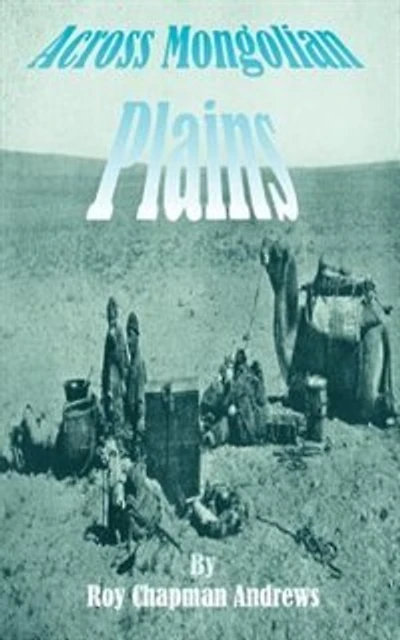
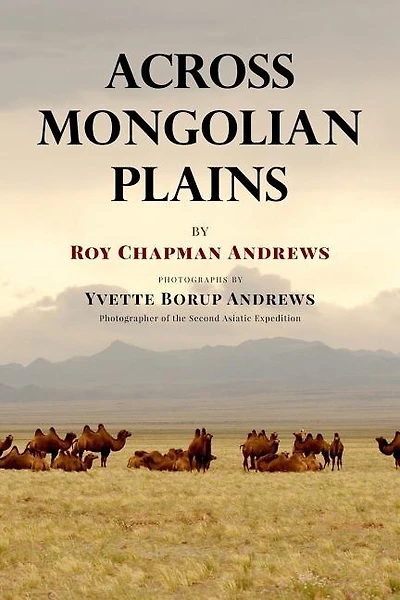
Across Mongolian Plains
Indigo
Loading Inventory...
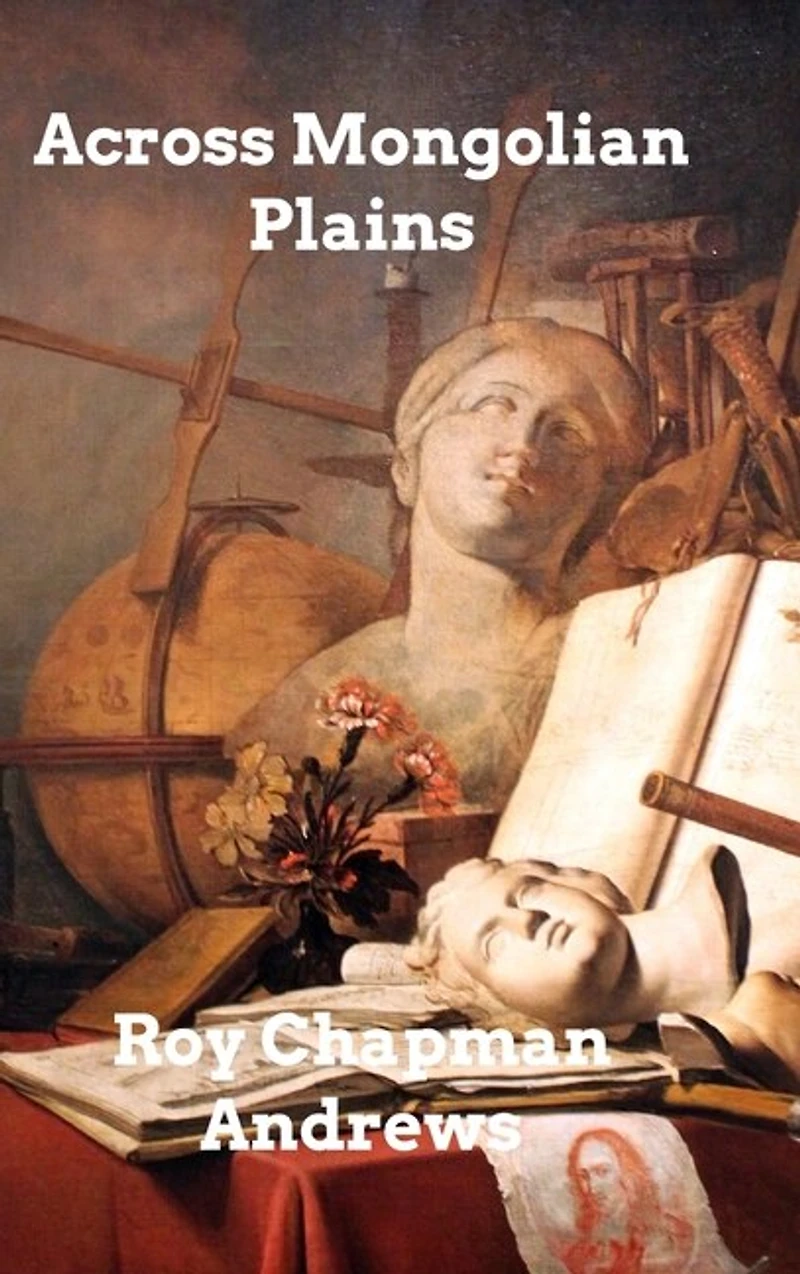
Across Mongolian Plains
Current price: $32.82

Across Mongolian Plains
Current price: $32.82
Loading Inventory...
Size: Hardcover
*Product information may vary - to confirm product availability, pricing, shipping and return information please contact Indigo
In 1920, Andrews began planning for expeditions to Mongolia and drove a fleet of Dodge cars westward from Peking. In 1922, the party discovered a fossil of Indricotherium (then named "Baluchitherium"), a gigantic hornless rhinoceros, which was sent back to the museum, arriving on December 19. The fossil species Andrewsarchus was named after him. Andrews, along with Henry Fairfield Osborn, was a proponent of the Out of Asia theory of humanity's origins and led several expeditions to Asia from 1922 to 1928 known as the "Central Asiatic Expeditions" to search for the earliest human remains in Asia. The expeditions did not find human remains. However, Andrews and his team made many other finds (January 26, 1884 - March 11, 1960) was an American explorer, adventurer and naturalist who became the director of the American Museum of Natural History. He led a series of expeditions through the politically disturbed China of the early 20th century into the Gobi Desert and Mongolia. The expeditions made important discoveries and brought the first-known fossil dinosaur eggs to the museum. Chapman's popular writing about his adventures made him famous. In 1920, Andrews began planning for expeditions to Mongolia and drove a fleet of Dodge cars westward from Peking. In 1922, the party discovered a fossil of Indricotherium (then named "Baluchitherium"), a gigantic hornless rhinoceros, which was sent back to the museum, arriving on December 19. The fossil species Andrewsarchus was named after him. Andrews, along with Henry Fairfield Osborn, was a proponent of the Out of Asia theory of humanity's origins and led several expeditions to Asia from 1922 to 1928 known as the "Central Asiatic Expeditions" to search for the earliest human remains in Asia. The expeditions did not find human remains. However, Andrews and his team made many other finds, including dinosaur bones and fossil mammals and the first nests full of dinosaur eggs ever discovered. Andrews' account of these expeditions
In 1920, Andrews began planning for expeditions to Mongolia and drove a fleet of Dodge cars westward from Peking. In 1922, the party discovered a fossil of Indricotherium (then named "Baluchitherium"), a gigantic hornless rhinoceros, which was sent back to the museum, arriving on December 19. The fossil species Andrewsarchus was named after him. Andrews, along with Henry Fairfield Osborn, was a proponent of the Out of Asia theory of humanity's origins and led several expeditions to Asia from 1922 to 1928 known as the "Central Asiatic Expeditions" to search for the earliest human remains in Asia. The expeditions did not find human remains. However, Andrews and his team made many other finds (January 26, 1884 - March 11, 1960) was an American explorer, adventurer and naturalist who became the director of the American Museum of Natural History. He led a series of expeditions through the politically disturbed China of the early 20th century into the Gobi Desert and Mongolia. The expeditions made important discoveries and brought the first-known fossil dinosaur eggs to the museum. Chapman's popular writing about his adventures made him famous. In 1920, Andrews began planning for expeditions to Mongolia and drove a fleet of Dodge cars westward from Peking. In 1922, the party discovered a fossil of Indricotherium (then named "Baluchitherium"), a gigantic hornless rhinoceros, which was sent back to the museum, arriving on December 19. The fossil species Andrewsarchus was named after him. Andrews, along with Henry Fairfield Osborn, was a proponent of the Out of Asia theory of humanity's origins and led several expeditions to Asia from 1922 to 1928 known as the "Central Asiatic Expeditions" to search for the earliest human remains in Asia. The expeditions did not find human remains. However, Andrews and his team made many other finds, including dinosaur bones and fossil mammals and the first nests full of dinosaur eggs ever discovered. Andrews' account of these expeditions
You May Also Like








More About Indigo at Erin Mills Town Centre
The largest book retailer in Canada also offers toys, music, home décor, gifts and lifestyle products. What's Inside...Books, Magazines, CD’s and DVD’s, Toys and Gifts, Home Accents, Electronics, Baby’s and Children’s Section, Bath and Body, Kitchen and Bedroom, Stationary Located outside in the exterior plaza.
5015 Glen Erin Dr, Mississauga, ON L5M 0R7, Canada
Find Indigo at Erin Mills Town Centre in Mississauga ON
Visit Indigo at Erin Mills Town Centre in Mississauga ON