

GIVE THE PERFECT GIFT
Erin Mills Town Centre Gift Cards are the perfect choice for your gift giving needs.Purchase gift cards at kiosks near the food court or centre court, at Guest Services, or click below to purchase online.PURCHASE HEREHome
Adolescent Psychology: Theories, Development, and Contemporary Challenges
Indigo
Loading Inventory...
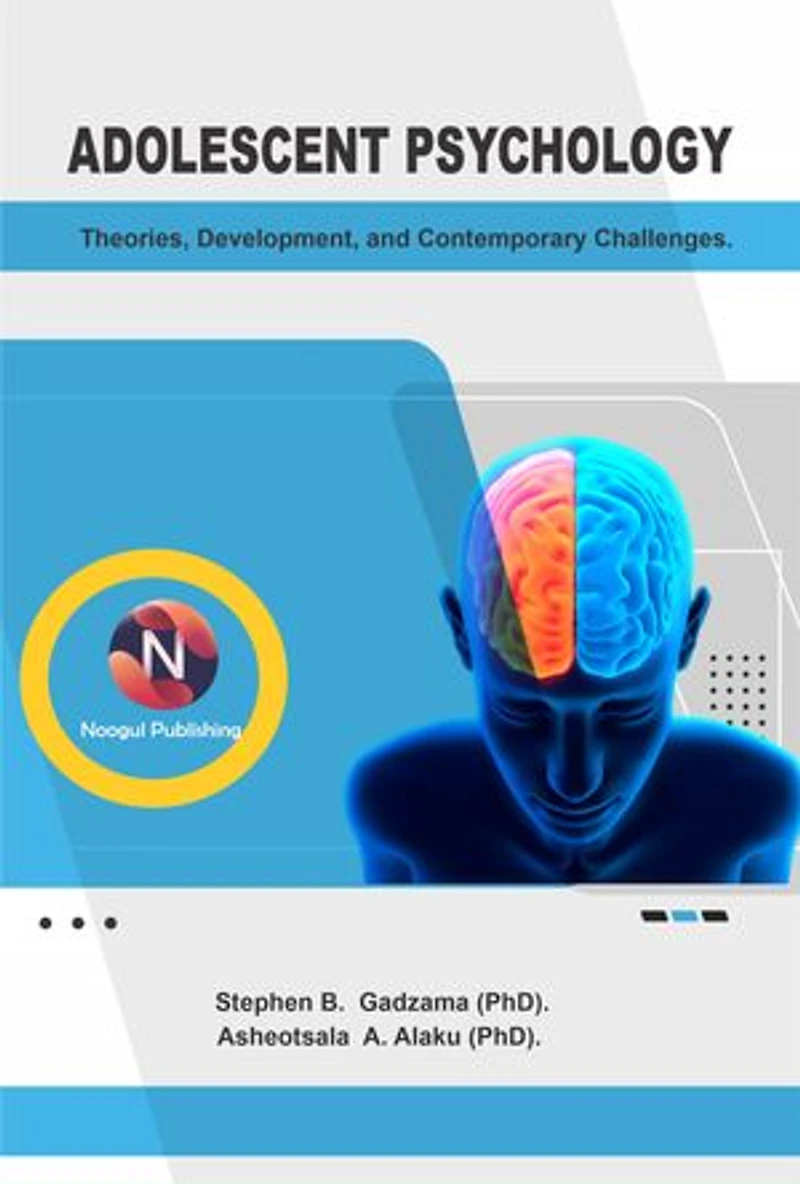
Adolescent Psychology: Theories, Development, and Contemporary Challenges
Current price: $14.99

Adolescent Psychology: Theories, Development, and Contemporary Challenges
Current price: $14.99
Loading Inventory...
Size: Kobo eBook
*Product information may vary - to confirm product availability, pricing, shipping and return information please contact Indigo
This comprehensive text explores the multifaceted world of adolescent psychology, offering a deep dive into the biological, cognitive, emotional, and social development of adolescents. Drawing on classical and contemporary theories—including those of Hall, Freud, Erikson, Bandura, and Piaget—the book provides an integrative framework for understanding adolescence as a dynamic, transitional stage in human development.
The book critically analyzes the role of cultural, environmental, and socio-political contexts in shaping adolescent experiences, particularly within the Nigerian and broader African societal frameworks. It addresses key concerns such as drug abuse, cultism, political thuggery, peer pressure, identity formation, and emotional regulation.
With a focus on the interplay between individual development and societal expectations, this work serves as an essential resource for educators, psychologists, parents, and policymakers seeking to guide adolescents through this critical life stage with empathy, insight, and evidence-based strategies.
This comprehensive text explores the multifaceted world of adolescent psychology, offering a deep dive into the biological, cognitive, emotional, and social development of adolescents. Drawing on classical and contemporary theories—including those of Hall, Freud, Erikson, Bandura, and Piaget—the book provides an integrative framework for understanding adolescence as a dynamic, transitional stage in human development.
The book critically analyzes the role of cultural, environmental, and socio-political contexts in shaping adolescent experiences, particularly within the Nigerian and broader African societal frameworks. It addresses key concerns such as drug abuse, cultism, political thuggery, peer pressure, identity formation, and emotional regulation.
With a focus on the interplay between individual development and societal expectations, this work serves as an essential resource for educators, psychologists, parents, and policymakers seeking to guide adolescents through this critical life stage with empathy, insight, and evidence-based strategies.
You May Also Like











More About Indigo at Erin Mills Town Centre
The largest book retailer in Canada also offers toys, music, home décor, gifts and lifestyle products. What's Inside...Books, Magazines, CD’s and DVD’s, Toys and Gifts, Home Accents, Electronics, Baby’s and Children’s Section, Bath and Body, Kitchen and Bedroom, Stationary Located outside in the exterior plaza.
5015 Glen Erin Dr, Mississauga, ON L5M 0R7, Canada
Find Indigo at Erin Mills Town Centre in Mississauga ON
Visit Indigo at Erin Mills Town Centre in Mississauga ON