

GIVE THE PERFECT GIFT
Erin Mills Town Centre Gift Cards are the perfect choice for your gift giving needs.Purchase gift cards at kiosks near the food court or centre court, at Guest Services, or click below to purchase online.PURCHASE HEREHome
Adult celiac disease and associated autoimmune diseases
Indigo
Loading Inventory...
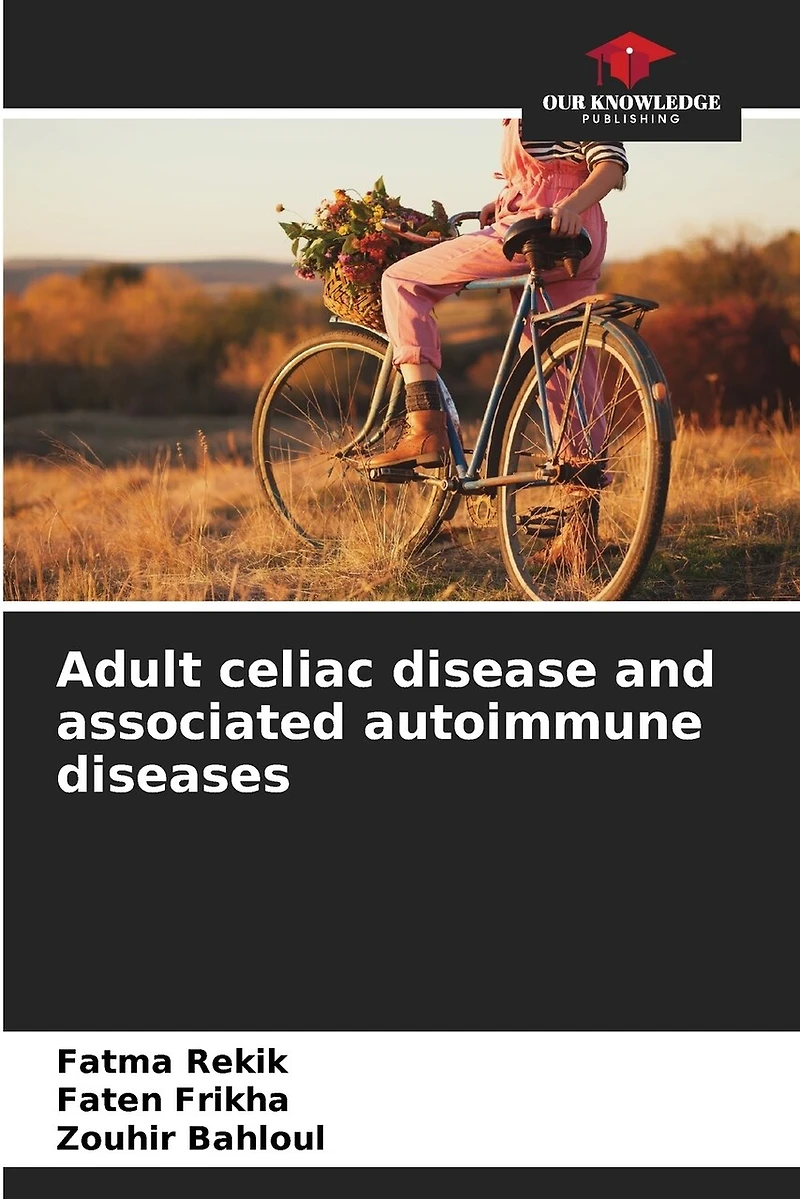
Adult celiac disease and associated autoimmune diseases
Current price: $55.95

Adult celiac disease and associated autoimmune diseases
Current price: $55.95
Loading Inventory...
Size: Paperback
*Product information may vary - to confirm product availability, pricing, shipping and return information please contact Indigo
Celiac disease (CD) is an autoimmune inflammatory enteropathy, caused by one of the protein fractions of gluten (food antigen), gliadin (a protein contained in wheat, rye and barley) and which occurs in genetically predisposed subjects [1,2,3]. Its pathogenesis results from the interaction between genetic, immunological and environmental factors which, through the intervention of the human leukocyte antigen (HLA) class II genes (encoding the HLA-DQ2 molecule, and those encoding the HLA-DQ8 molecule) induce an immune response in the intestinal mucosa leading to villous atrophy resulting in malabsorption, and the presence of specific antibodies in the serum of patients, which has changed the epidemiological view of celiac disease. The association with other autoimmune diseases (AID) is frequent, which imposes their systematic research. The aim of our work was to evaluate the prevalence of autoimmune diseases during celiac disease and to analyze their epidemiological, clinical, and immunological profile.
Celiac disease (CD) is an autoimmune inflammatory enteropathy, caused by one of the protein fractions of gluten (food antigen), gliadin (a protein contained in wheat, rye and barley) and which occurs in genetically predisposed subjects [1,2,3]. Its pathogenesis results from the interaction between genetic, immunological and environmental factors which, through the intervention of the human leukocyte antigen (HLA) class II genes (encoding the HLA-DQ2 molecule, and those encoding the HLA-DQ8 molecule) induce an immune response in the intestinal mucosa leading to villous atrophy resulting in malabsorption, and the presence of specific antibodies in the serum of patients, which has changed the epidemiological view of celiac disease. The association with other autoimmune diseases (AID) is frequent, which imposes their systematic research. The aim of our work was to evaluate the prevalence of autoimmune diseases during celiac disease and to analyze their epidemiological, clinical, and immunological profile.
You May Also Like










More About Indigo at Erin Mills Town Centre
The largest book retailer in Canada also offers toys, music, home décor, gifts and lifestyle products. What's Inside...Books, Magazines, CD’s and DVD’s, Toys and Gifts, Home Accents, Electronics, Baby’s and Children’s Section, Bath and Body, Kitchen and Bedroom, Stationary Located outside in the exterior plaza.
5015 Glen Erin Dr, Mississauga, ON L5M 0R7, Canada
Find Indigo at Erin Mills Town Centre in Mississauga ON
Visit Indigo at Erin Mills Town Centre in Mississauga ON