

GIVE THE PERFECT GIFT
Erin Mills Town Centre Gift Cards are the perfect choice for your gift giving needs.Purchase gift cards at kiosks near the food court or centre court, at Guest Services, or click below to purchase online.PURCHASE HEREHome
Adult Minority Language Learning: Motivation, Identity and Target Variety
Indigo
Loading Inventory...
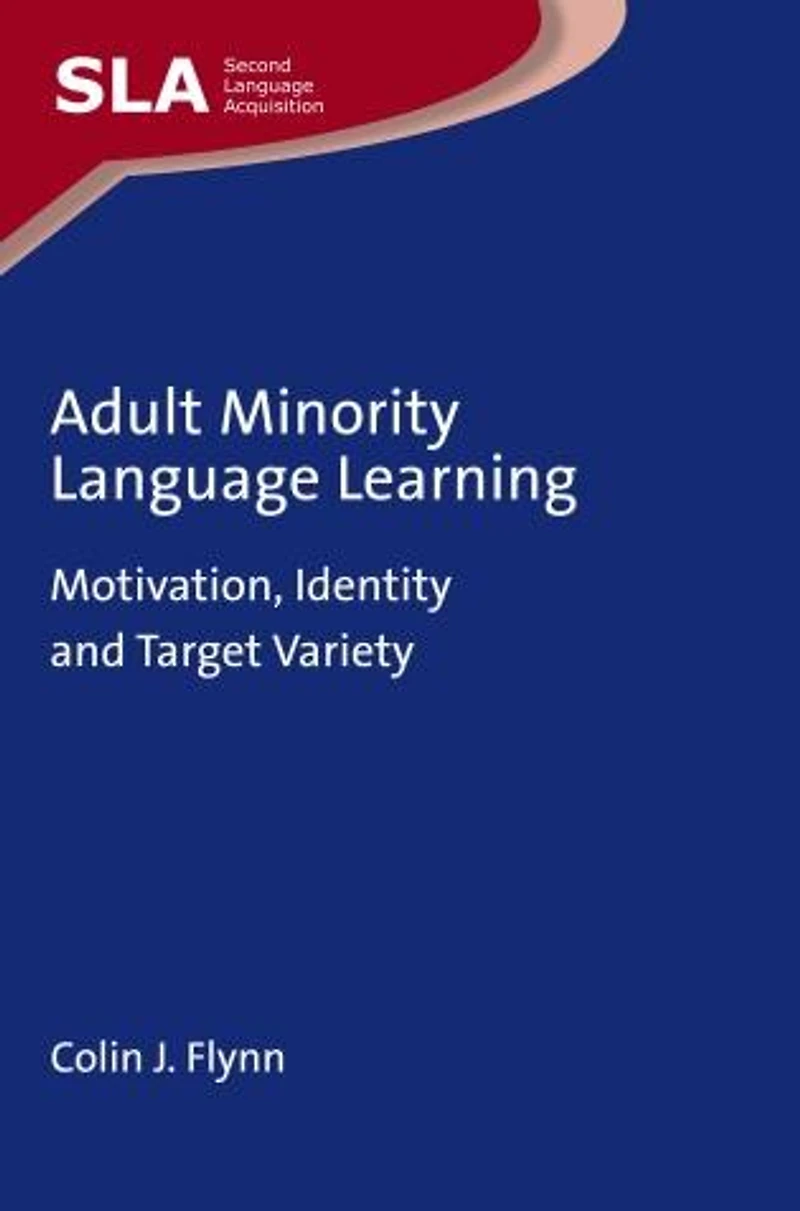
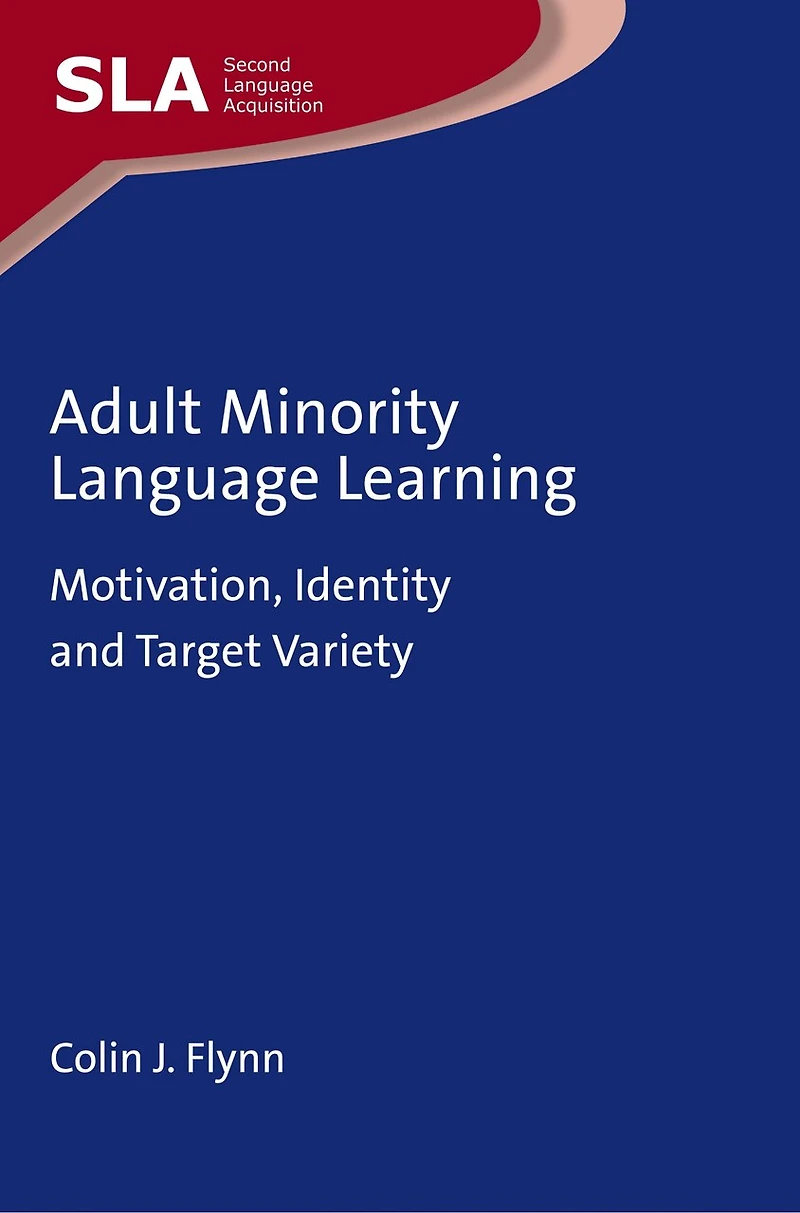
Adult Minority Language Learning: Motivation, Identity and Target Variety
Current price: $239.95

Adult Minority Language Learning: Motivation, Identity and Target Variety
Current price: $239.95
Loading Inventory...
Size: Hardcover
*Product information may vary - to confirm product availability, pricing, shipping and return information please contact Indigo
This book examines the role of affective variables in the process of learning a minority language. It presents a comprehensive account of how adult learners’ attitude, motivation and identity are related to their awareness of, and commitment to, different dialects and varieties as target speech models. These issues are examined in the context of Irish, a minority language which does not have a standard spoken variety and where the vast majority of learners have no regular contact with native speakers. Using a mixed methods research approach, this study explores the relationships that exist between, on the one hand, learners’ attitudes towards the three main traditional dialects of Irish and non-traditional second language varieties, and on the other, their motivation and self-concept as second language learners.
This book examines the role of affective variables in the process of learning a minority language. It presents a comprehensive account of how adult learners’ attitude, motivation and identity are related to their awareness of, and commitment to, different dialects and varieties as target speech models. These issues are examined in the context of Irish, a minority language which does not have a standard spoken variety and where the vast majority of learners have no regular contact with native speakers. Using a mixed methods research approach, this study explores the relationships that exist between, on the one hand, learners’ attitudes towards the three main traditional dialects of Irish and non-traditional second language varieties, and on the other, their motivation and self-concept as second language learners.
You May Also Like







More About Indigo at Erin Mills Town Centre
The largest book retailer in Canada also offers toys, music, home décor, gifts and lifestyle products. What's Inside...Books, Magazines, CD’s and DVD’s, Toys and Gifts, Home Accents, Electronics, Baby’s and Children’s Section, Bath and Body, Kitchen and Bedroom, Stationary Located outside in the exterior plaza.
5015 Glen Erin Dr, Mississauga, ON L5M 0R7, Canada
Find Indigo at Erin Mills Town Centre in Mississauga ON
Visit Indigo at Erin Mills Town Centre in Mississauga ON