

GIVE THE PERFECT GIFT
Erin Mills Town Centre Gift Cards are the perfect choice for your gift giving needs.Purchase gift cards at kiosks near the food court or centre court, at Guest Services, or click below to purchase online.PURCHASE HEREHome
Advanced Macroeconomics: An Introduction For Undergraduates
Indigo
Loading Inventory...
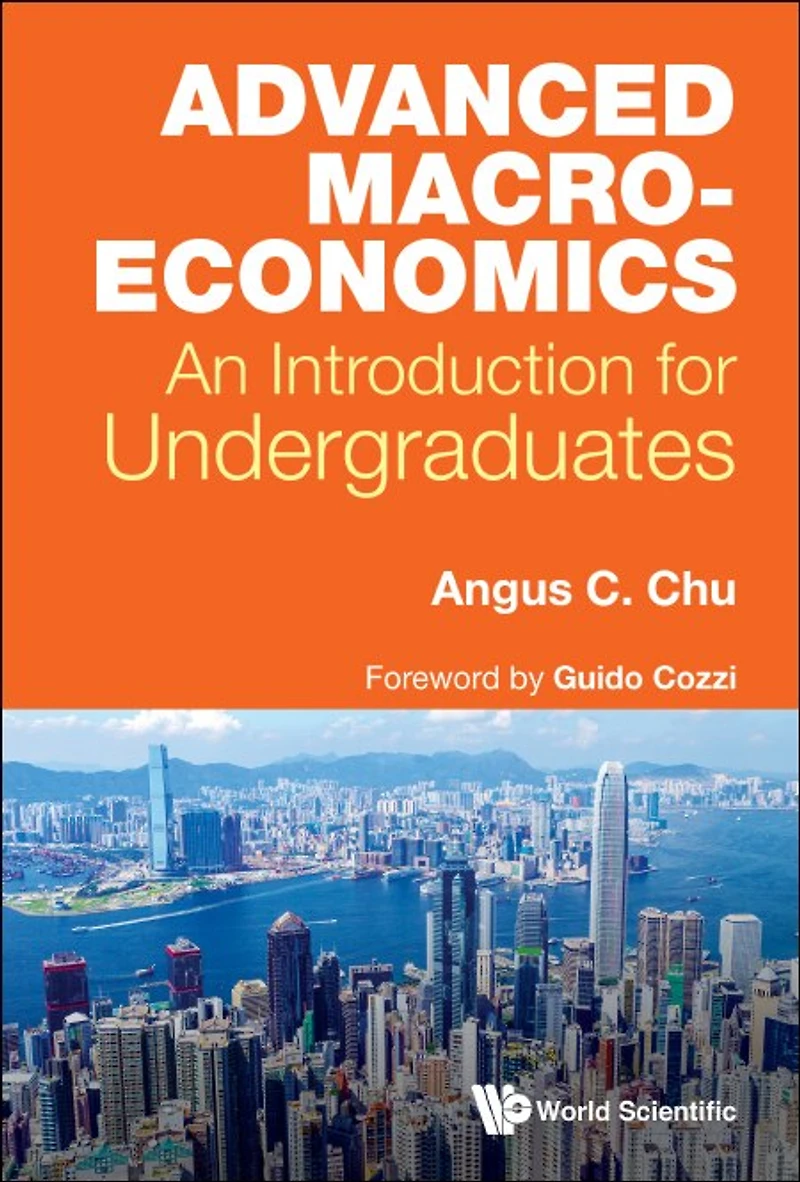
Advanced Macroeconomics: An Introduction For Undergraduates
Current price: $113.95

Advanced Macroeconomics: An Introduction For Undergraduates
Current price: $113.95
Loading Inventory...
Size: Hardcover
*Product information may vary - to confirm product availability, pricing, shipping and return information please contact Indigo
Advanced Macroeconomics covers selected topics in advanced macroeconomics at undergraduate level and bridges the gap between intermediate macroeconomics for undergraduates and advanced macroeconomics for postgraduates. By building on materials in intermediate macroeconomics textbooks and covering the mathematics of some classic dynamic general-equilibrium models, this book will give undergraduate students a firm appreciation of modern developments in macroeconomics. This book examines the implications of government policies (such as fiscal policy, monetary policy and innovation policy) and devotes several chapters to economic growth, covering the ideas for which Paul Romer was awarded the Nobel Memorial Prize in Economic Sciences in 2018 and also the Schumpeterian growth model for which Philippe Aghion and Peter Howitt were awarded the Nobel Memorial Prize in Economic Sciences in 2025.Dynamic general equilibrium is the foundation of modern macroeconomics. Chapter 1 begins with a simple static model to demonstrate the concept of general equilibrium. Chapters 2 to 4 cover the neoclassical growth model, exploring the effects of exogenous changes in technology: an important source of business cycle fluctuations. Chapters 5 to 7 use the neoclassical growth model to explore the effects of fiscal policy instruments such as government spending, labour income tax and capital income tax. Chapter 8 develops a simple New Keynesian model to analyse the effects of monetary policy. Chapter 9 begins the analysis of economic growth by reviewing the Solow growth model. Chapters 10 to 12 present the Ramsey model and introduce different market structures to the model to lay down the foundation of the Romer model. Chapter 13 incorporates an R&D sector into the Ramsey model with a monopolistically competitive market structure to develop the Romer model of endogenous technological change. Chapters 14 to 15 examine the implications of the Romer model. Chapter 16 concludes this book by presenting the Schumpeterian growth model and examining its different implications from the Romer model.
Advanced Macroeconomics covers selected topics in advanced macroeconomics at undergraduate level and bridges the gap between intermediate macroeconomics for undergraduates and advanced macroeconomics for postgraduates. By building on materials in intermediate macroeconomics textbooks and covering the mathematics of some classic dynamic general-equilibrium models, this book will give undergraduate students a firm appreciation of modern developments in macroeconomics. This book examines the implications of government policies (such as fiscal policy, monetary policy and innovation policy) and devotes several chapters to economic growth, covering the ideas for which Paul Romer was awarded the Nobel Memorial Prize in Economic Sciences in 2018 and also the Schumpeterian growth model for which Philippe Aghion and Peter Howitt were awarded the Nobel Memorial Prize in Economic Sciences in 2025.Dynamic general equilibrium is the foundation of modern macroeconomics. Chapter 1 begins with a simple static model to demonstrate the concept of general equilibrium. Chapters 2 to 4 cover the neoclassical growth model, exploring the effects of exogenous changes in technology: an important source of business cycle fluctuations. Chapters 5 to 7 use the neoclassical growth model to explore the effects of fiscal policy instruments such as government spending, labour income tax and capital income tax. Chapter 8 develops a simple New Keynesian model to analyse the effects of monetary policy. Chapter 9 begins the analysis of economic growth by reviewing the Solow growth model. Chapters 10 to 12 present the Ramsey model and introduce different market structures to the model to lay down the foundation of the Romer model. Chapter 13 incorporates an R&D sector into the Ramsey model with a monopolistically competitive market structure to develop the Romer model of endogenous technological change. Chapters 14 to 15 examine the implications of the Romer model. Chapter 16 concludes this book by presenting the Schumpeterian growth model and examining its different implications from the Romer model.
You May Also Like









More About Indigo at Erin Mills Town Centre
The largest book retailer in Canada also offers toys, music, home décor, gifts and lifestyle products. What's Inside...Books, Magazines, CD’s and DVD’s, Toys and Gifts, Home Accents, Electronics, Baby’s and Children’s Section, Bath and Body, Kitchen and Bedroom, Stationary Located outside in the exterior plaza.
5015 Glen Erin Dr, Mississauga, ON L5M 0R7, Canada
Find Indigo at Erin Mills Town Centre in Mississauga ON
Visit Indigo at Erin Mills Town Centre in Mississauga ON