

GIVE THE PERFECT GIFT
Erin Mills Town Centre Gift Cards are the perfect choice for your gift giving needs.Purchase gift cards at kiosks near the food court or centre court, at Guest Services, or click below to purchase online.PURCHASE HEREHome
Advanced Sensing and Safety Control for Connected and Automated Vehicles
Indigo
Loading Inventory...
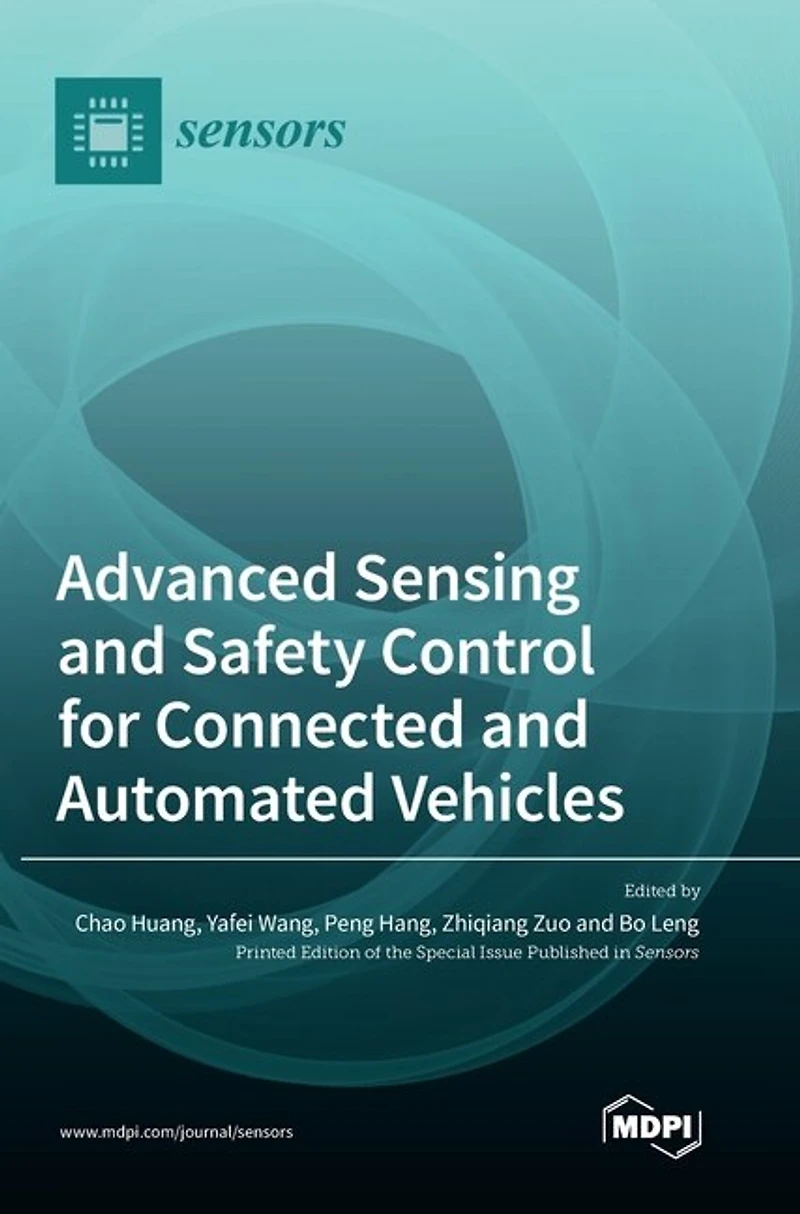
Advanced Sensing and Safety Control for Connected and Automated Vehicles
Current price: $119.44

Advanced Sensing and Safety Control for Connected and Automated Vehicles
Current price: $119.44
Loading Inventory...
Size: Hardcover
*Product information may vary - to confirm product availability, pricing, shipping and return information please contact Indigo
The connected and automated vehicle (CAV) is a promising piece of technology, anticipated to enhance the safety and effectiveness of mobility. Advanced sensing technologies and control algorithms, working to acquire environmental data, analyze data, and regulate vehicle movements, are key functional components of CAVs. In recent years, the creation of innovative sensing technologies for CAVs has gained substantial attention. CAVs can now interpret sensory data to more accurately detect impediments, track their locations, navigate autonomously in a dynamic environment, and communicate with other nearby vehicles. This has been made possible by advancements in sensing technology. Additionally, by utilizing computer vision and other sensing techniques, the bodily movements, facial expressions, and even mental states of in-cabin persons can be identified.
The connected and automated vehicle (CAV) is a promising piece of technology, anticipated to enhance the safety and effectiveness of mobility. Advanced sensing technologies and control algorithms, working to acquire environmental data, analyze data, and regulate vehicle movements, are key functional components of CAVs. In recent years, the creation of innovative sensing technologies for CAVs has gained substantial attention. CAVs can now interpret sensory data to more accurately detect impediments, track their locations, navigate autonomously in a dynamic environment, and communicate with other nearby vehicles. This has been made possible by advancements in sensing technology. Additionally, by utilizing computer vision and other sensing techniques, the bodily movements, facial expressions, and even mental states of in-cabin persons can be identified.
You May Also Like







More About Indigo at Erin Mills Town Centre
The largest book retailer in Canada also offers toys, music, home décor, gifts and lifestyle products. What's Inside...Books, Magazines, CD’s and DVD’s, Toys and Gifts, Home Accents, Electronics, Baby’s and Children’s Section, Bath and Body, Kitchen and Bedroom, Stationary Located outside in the exterior plaza.
5015 Glen Erin Dr, Mississauga, ON L5M 0R7, Canada
Find Indigo at Erin Mills Town Centre in Mississauga ON
Visit Indigo at Erin Mills Town Centre in Mississauga ON