

GIVE THE PERFECT GIFT
Erin Mills Town Centre Gift Cards are the perfect choice for your gift giving needs.Purchase gift cards at kiosks near the food court or centre court, at Guest Services, or click below to purchase online.PURCHASE HEREHome
Advances Carbon Management Technologies: Biomass Utilization, Manufacturing, and Electricity Management, Volume 2
Indigo
Loading Inventory...
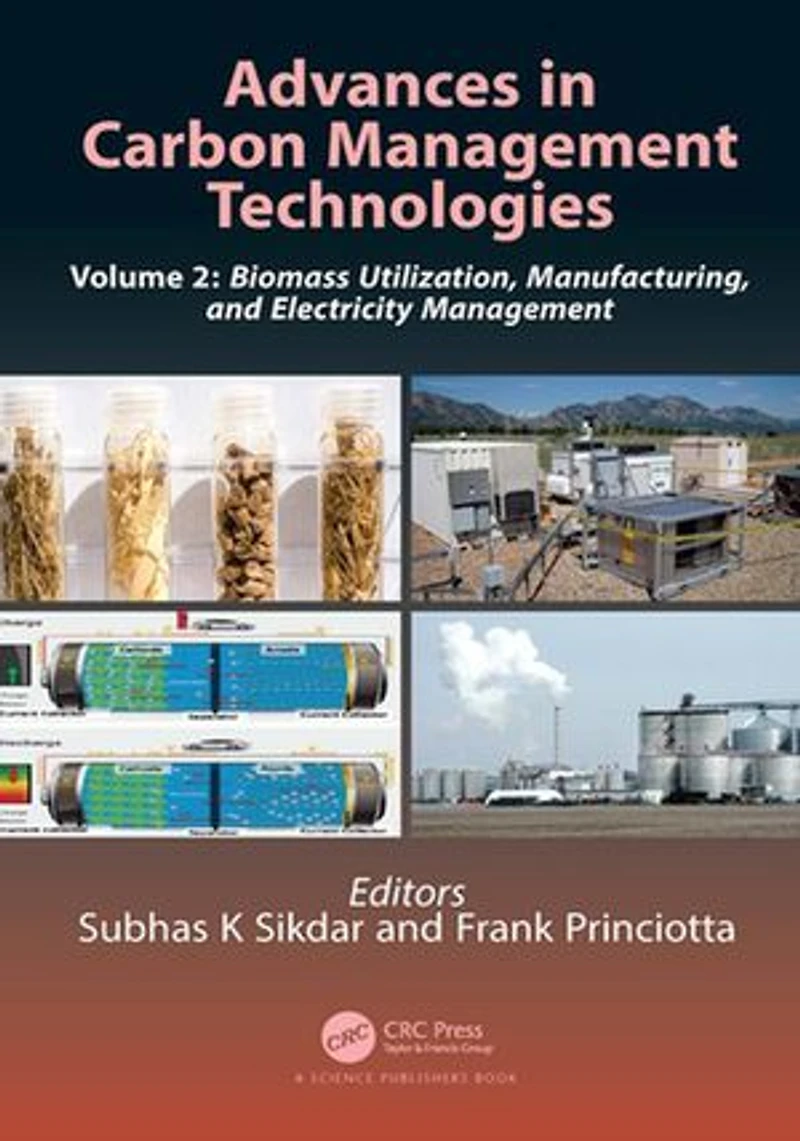
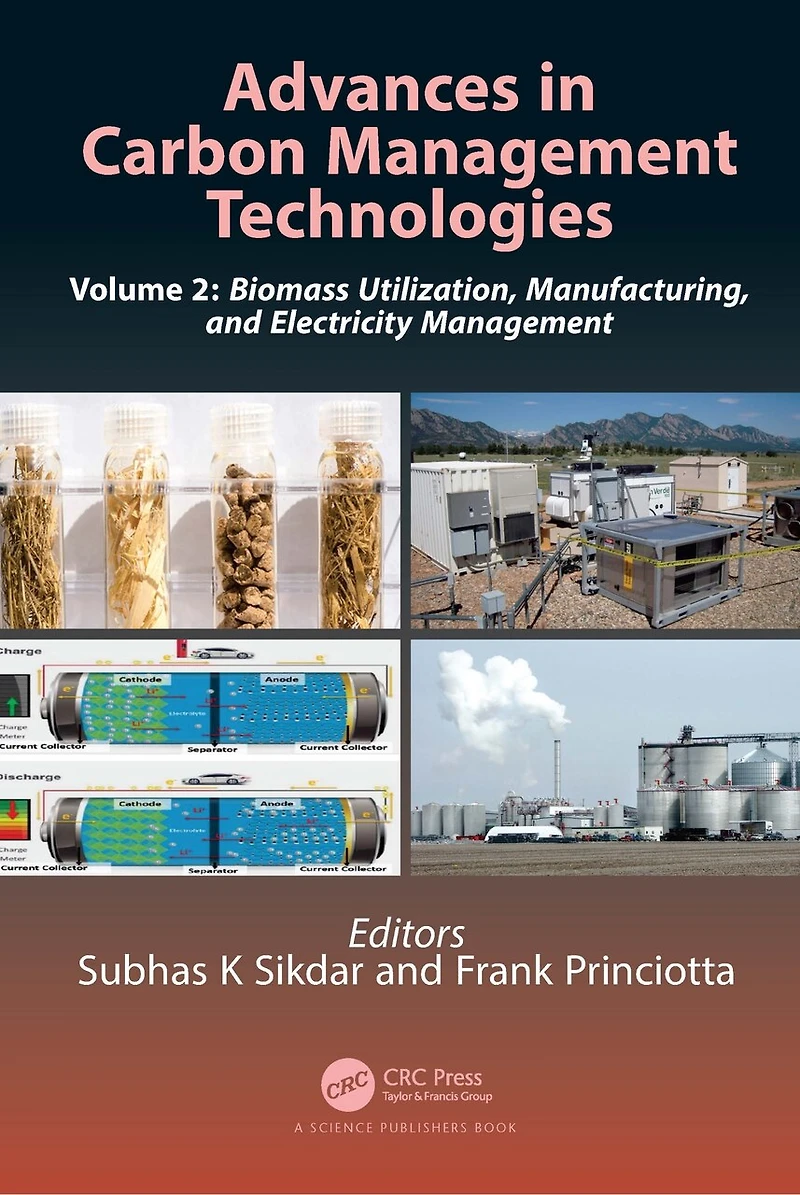
Advances Carbon Management Technologies: Biomass Utilization, Manufacturing, and Electricity Management, Volume 2
Current price: $96.35

Advances Carbon Management Technologies: Biomass Utilization, Manufacturing, and Electricity Management, Volume 2
Current price: $96.35
Loading Inventory...
Size: Kobo eBook
*Product information may vary - to confirm product availability, pricing, shipping and return information please contact Indigo
Volume 2 of Advances in Carbon Management Technologies has 21 chapters. It presents the introductory chapter again, for framing the challenges that confront the proposed solutions discussed in this volume. Section 4 presents various ways biomass and biomass wastes can be manipulated to provide a low-carbon footprint of the generation of power, heat and co-products, and of recovery and reuse of biomass wastes for beneficial purposes. Section 5 provides potential carbon management solutions in urban and manufacturing environments. This section also provides state-of the-art of battery technologies for the transportation sector. The chapters in section 6 deals with electricity and the grid, and how decarbonization can be practiced in the electricity sector. The overall topic of advances in carbon management is too broad to be covered in a book of this size. It was not intended to cover every possible aspect that is relevant to the topic. Attempts were made, however, to highlight the most important issues of decarbonization from technological viewpoints. Over the years carbon intensity of products and processes has decreased, but the proportion of energy derived from fossil fuels has been stubornly stuck at about 80%. This has occurred despite very rapid development of renewable fuels, because at the same time the use of fossil fuels has also increased. Thus, the challenges are truly daunting. It is hoped that the technology choices provided here will show the myriad ways that solutions will evolve. While policy decisions are the driving forces for technology development, the book was not designed to cover policy solutions.
Volume 2 of Advances in Carbon Management Technologies has 21 chapters. It presents the introductory chapter again, for framing the challenges that confront the proposed solutions discussed in this volume. Section 4 presents various ways biomass and biomass wastes can be manipulated to provide a low-carbon footprint of the generation of power, heat and co-products, and of recovery and reuse of biomass wastes for beneficial purposes. Section 5 provides potential carbon management solutions in urban and manufacturing environments. This section also provides state-of the-art of battery technologies for the transportation sector. The chapters in section 6 deals with electricity and the grid, and how decarbonization can be practiced in the electricity sector. The overall topic of advances in carbon management is too broad to be covered in a book of this size. It was not intended to cover every possible aspect that is relevant to the topic. Attempts were made, however, to highlight the most important issues of decarbonization from technological viewpoints. Over the years carbon intensity of products and processes has decreased, but the proportion of energy derived from fossil fuels has been stubornly stuck at about 80%. This has occurred despite very rapid development of renewable fuels, because at the same time the use of fossil fuels has also increased. Thus, the challenges are truly daunting. It is hoped that the technology choices provided here will show the myriad ways that solutions will evolve. While policy decisions are the driving forces for technology development, the book was not designed to cover policy solutions.
You May Also Like








More About Indigo at Erin Mills Town Centre
The largest book retailer in Canada also offers toys, music, home décor, gifts and lifestyle products. What's Inside...Books, Magazines, CD’s and DVD’s, Toys and Gifts, Home Accents, Electronics, Baby’s and Children’s Section, Bath and Body, Kitchen and Bedroom, Stationary Located outside in the exterior plaza.
5015 Glen Erin Dr, Mississauga, ON L5M 0R7, Canada
Find Indigo at Erin Mills Town Centre in Mississauga ON
Visit Indigo at Erin Mills Town Centre in Mississauga ON