

GIVE THE PERFECT GIFT
Erin Mills Town Centre Gift Cards are the perfect choice for your gift giving needs.Purchase gift cards at kiosks near the food court or centre court, at Guest Services, or click below to purchase online.PURCHASE HEREHome
Advancing Comparative Area Studies: Analytical Heterogeneity and Organizational Challenges
Indigo
Loading Inventory...

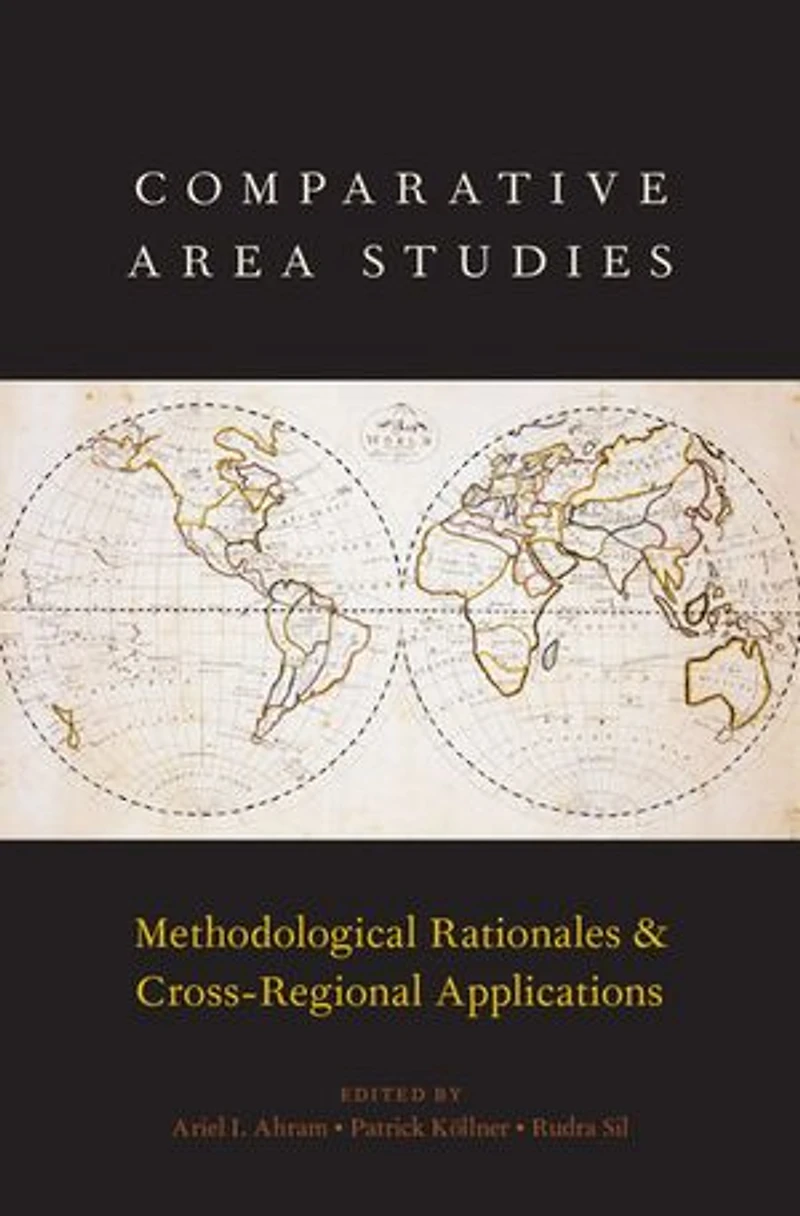
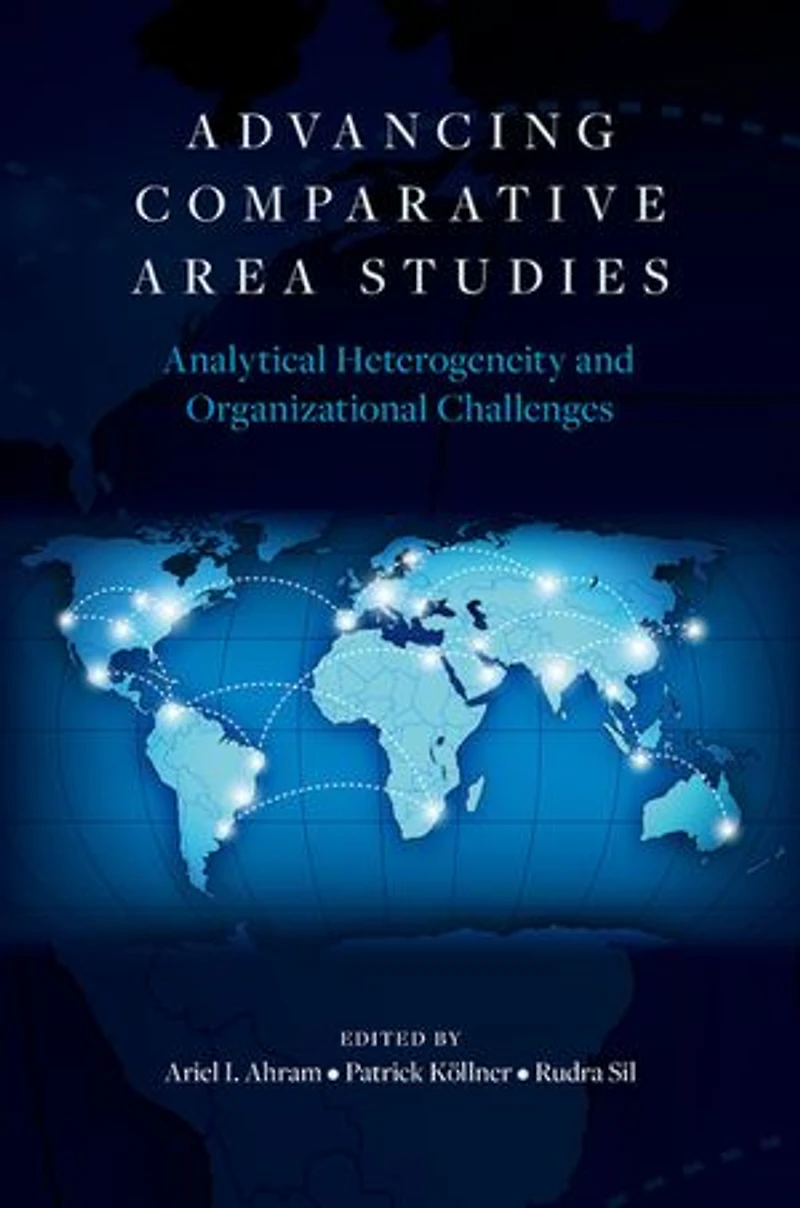
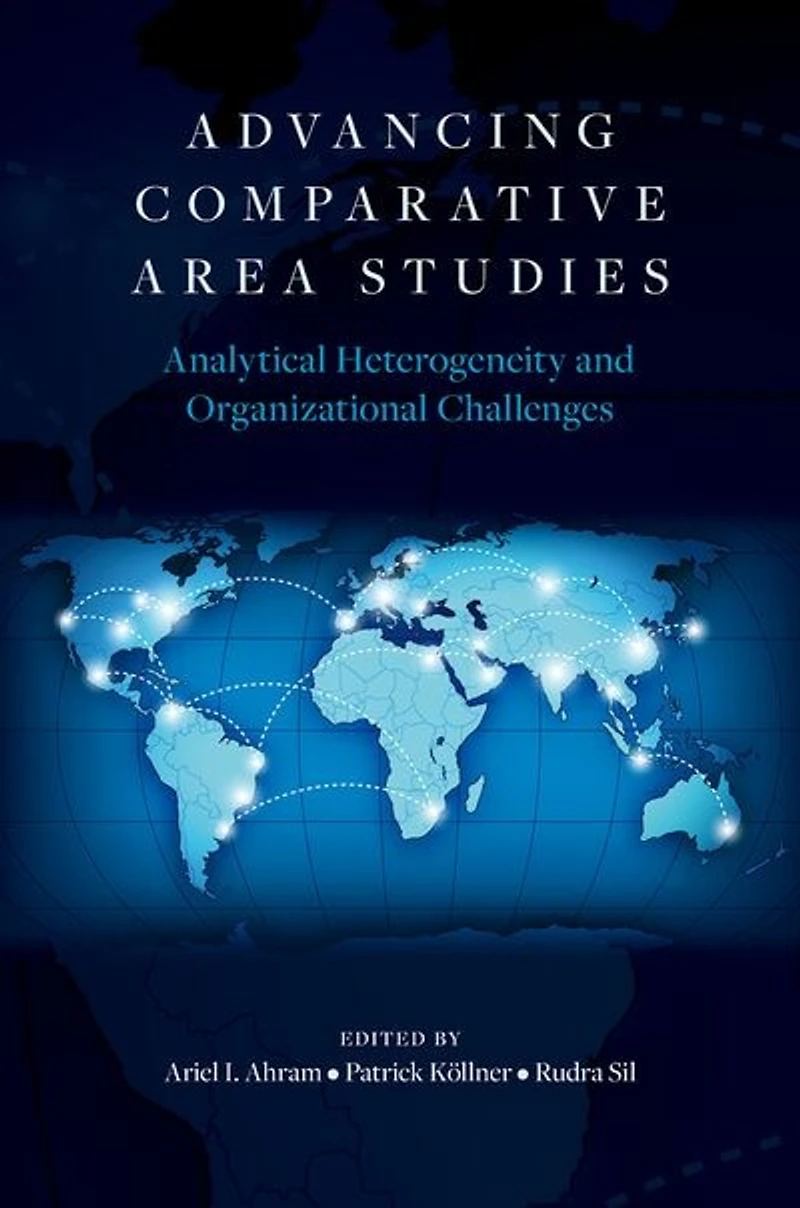
Advancing Comparative Area Studies: Analytical Heterogeneity and Organizational Challenges
Current price: $109.00

Advancing Comparative Area Studies: Analytical Heterogeneity and Organizational Challenges
Current price: $109.00
Loading Inventory...
Size: Hardcover (2018)
*Product information may vary - to confirm product availability, pricing, shipping and return information please contact Indigo
In the post-World War II era, the emergence of 'area studies' marked a signal development in the social sciences. As the social sciences evolved methodologically, however, many dismissed area studies as favoring narrow description over general theory. Still, area studies continues to plays a key, if unacknowledged, role in bringing new data, new theories, and valuable policy-relevant insights to social sciences. In Comparative Area Studies, three leading figures in the field have gathered an international group of scholars in a volume that promises to be a landmark in a resurgent field. The book upholds two basic convictions: that intensive regional research remains indispensable to the social sciences and that this research needs to employ comparative referents from other regions to demonstrate its broader relevance. Comparative Area Studies (CAS) combines the context-specific insights from traditional area studies and the logic of cross- and inter-regional empirical research. This first book devoted to CAS explores methodological rationales and illustrative applications showing how area-based expertise can link into cutting-edge comparative analytical frameworks.
In the post-World War II era, the emergence of 'area studies' marked a signal development in the social sciences. As the social sciences evolved methodologically, however, many dismissed area studies as favoring narrow description over general theory. Still, area studies continues to plays a key, if unacknowledged, role in bringing new data, new theories, and valuable policy-relevant insights to social sciences. In Comparative Area Studies, three leading figures in the field have gathered an international group of scholars in a volume that promises to be a landmark in a resurgent field. The book upholds two basic convictions: that intensive regional research remains indispensable to the social sciences and that this research needs to employ comparative referents from other regions to demonstrate its broader relevance. Comparative Area Studies (CAS) combines the context-specific insights from traditional area studies and the logic of cross- and inter-regional empirical research. This first book devoted to CAS explores methodological rationales and illustrative applications showing how area-based expertise can link into cutting-edge comparative analytical frameworks.
You May Also Like









More About Indigo at Erin Mills Town Centre
The largest book retailer in Canada also offers toys, music, home décor, gifts and lifestyle products. What's Inside...Books, Magazines, CD’s and DVD’s, Toys and Gifts, Home Accents, Electronics, Baby’s and Children’s Section, Bath and Body, Kitchen and Bedroom, Stationary Located outside in the exterior plaza.
5015 Glen Erin Dr, Mississauga, ON L5M 0R7, Canada
Find Indigo at Erin Mills Town Centre in Mississauga ON
Visit Indigo at Erin Mills Town Centre in Mississauga ON