

GIVE THE PERFECT GIFT
Erin Mills Town Centre Gift Cards are the perfect choice for your gift giving needs.Purchase gift cards at kiosks near the food court or centre court, at Guest Services, or click below to purchase online.PURCHASE HEREHome
African American Literature in Transition, 1940–1950: Volume 11
Indigo
Loading Inventory...
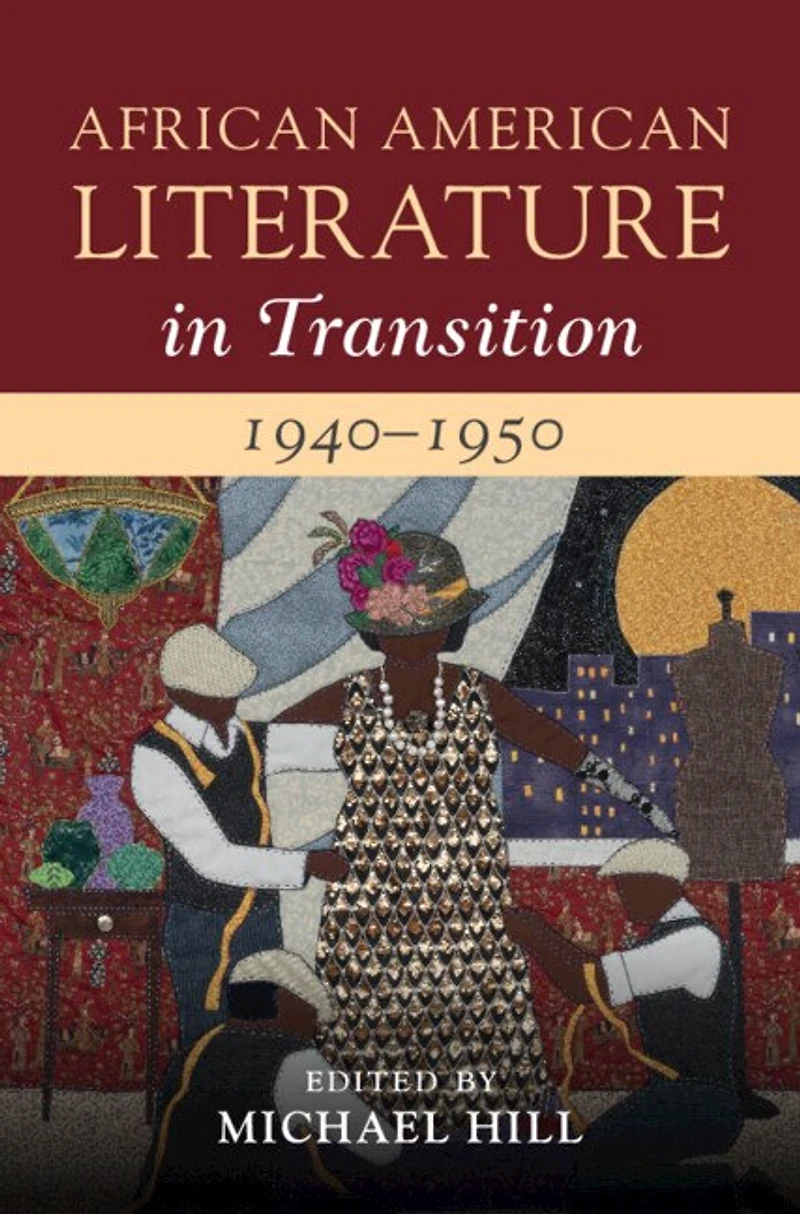
African American Literature in Transition, 1940–1950: Volume 11
Current price: $137.95

African American Literature in Transition, 1940–1950: Volume 11
Current price: $137.95
Loading Inventory...
Size: Hardcover
*Product information may vary - to confirm product availability, pricing, shipping and return information please contact Indigo
1940s African American literature sits between two of the best-known periods in Black writing. Adding more intricacy to its framing, this decade's literary output commences and ends with watershed creative accomplishments by canonical mainstays in the waiting like Zora Neale Hurston, Richard Wright, Gwendolyn Brooks, James Baldwin, and Ralph Ellison. However, this book shows that mid-century Black literary productivity is not a matter of a handful of canonical figures and instead, it illuminates overt and implicit collaboration as a hallmark of the age. It identifies perforation, aesthetic plurality, multi-generic virtuosity, and writerly professionalism as signposts for understanding mid-twentieth century Black literary productivity. It engages prior assessments that cast African American literature in the 1940s based on stylistic clashes and technical stasis. It restores Black writing's role as feature of American social progress in the space between the Great Depression and the mature Civil Rights Movement.
1940s African American literature sits between two of the best-known periods in Black writing. Adding more intricacy to its framing, this decade's literary output commences and ends with watershed creative accomplishments by canonical mainstays in the waiting like Zora Neale Hurston, Richard Wright, Gwendolyn Brooks, James Baldwin, and Ralph Ellison. However, this book shows that mid-century Black literary productivity is not a matter of a handful of canonical figures and instead, it illuminates overt and implicit collaboration as a hallmark of the age. It identifies perforation, aesthetic plurality, multi-generic virtuosity, and writerly professionalism as signposts for understanding mid-twentieth century Black literary productivity. It engages prior assessments that cast African American literature in the 1940s based on stylistic clashes and technical stasis. It restores Black writing's role as feature of American social progress in the space between the Great Depression and the mature Civil Rights Movement.
You May Also Like







More About Indigo at Erin Mills Town Centre
The largest book retailer in Canada also offers toys, music, home décor, gifts and lifestyle products. What's Inside...Books, Magazines, CD’s and DVD’s, Toys and Gifts, Home Accents, Electronics, Baby’s and Children’s Section, Bath and Body, Kitchen and Bedroom, Stationary Located outside in the exterior plaza.
5015 Glen Erin Dr, Mississauga, ON L5M 0R7, Canada
Find Indigo at Erin Mills Town Centre in Mississauga ON
Visit Indigo at Erin Mills Town Centre in Mississauga ON