

GIVE THE PERFECT GIFT
Erin Mills Town Centre Gift Cards are the perfect choice for your gift giving needs.Purchase gift cards at kiosks near the food court or centre court, at Guest Services, or click below to purchase online.PURCHASE HEREHome
After Meat: The Case For An Amazing, Meat-free World
Indigo
Loading Inventory...
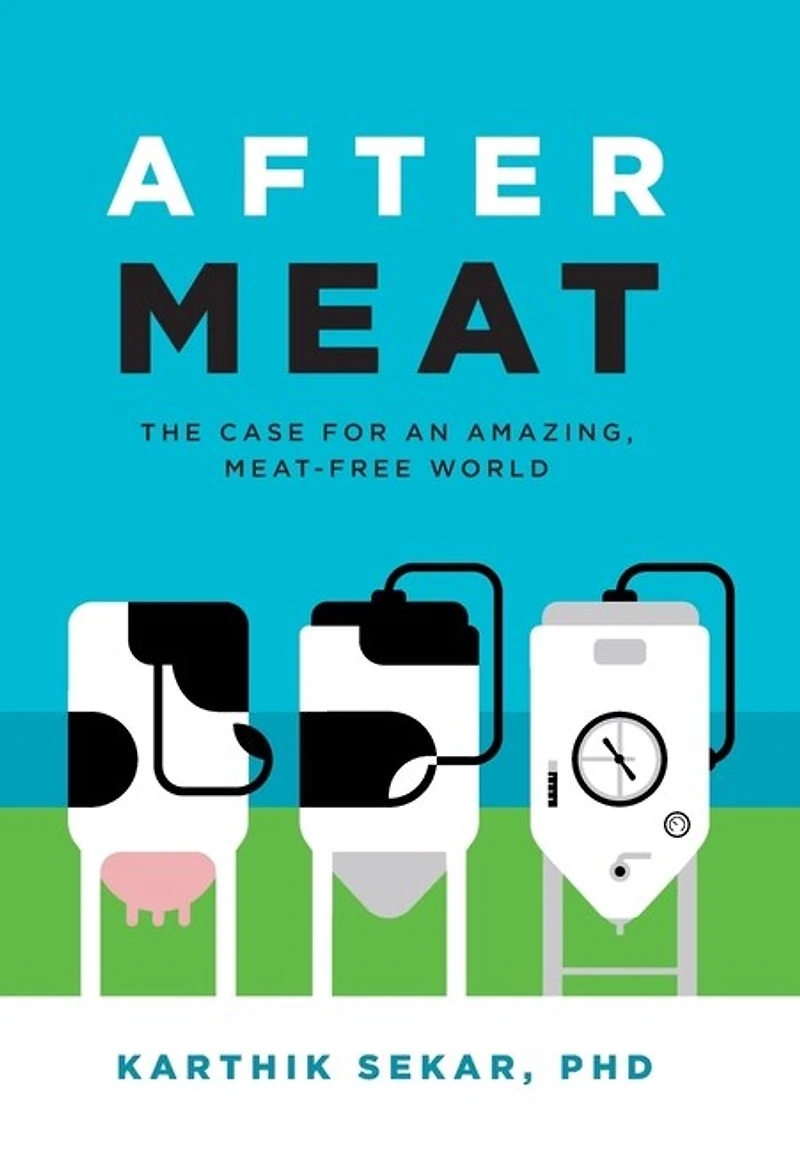
After Meat: The Case For An Amazing, Meat-free World
Current price: $37.99

After Meat: The Case For An Amazing, Meat-free World
Current price: $37.99
Loading Inventory...
Size: Hardcover
*Product information may vary - to confirm product availability, pricing, shipping and return information please contact Indigo
Animals make for terrible technology . The technological use of animals--making food, drugs, clothing, and cosmetics out of animal material--will cease. A cow takes over one year to grow, "wastes" over ninety percent of what it's fed, and cannot be innovated much further. After Meat explains the fundamental limits of animal technology in terms of physics and biology. Replacement technology such as microbial fermentation will surpass those limits. Eventually, we'll have food that is better in every way--in terms of taste, cost, nutrition, resource consumption, and ethics--because we won't use animals to produce it.
Along the way, After Meat leads us through a veritable forest of adjacent topics. We wade into evolution and reductivism, broach consciousness and the Multiverse, dive into economics and policy, bounce from weather prediction to the problem of hunger to the morality of eating plants. In sum, we ineluctably conclude that our future has little room for animal technology, and that future will be better for it.
Animals make for terrible technology . The technological use of animals--making food, drugs, clothing, and cosmetics out of animal material--will cease. A cow takes over one year to grow, "wastes" over ninety percent of what it's fed, and cannot be innovated much further. After Meat explains the fundamental limits of animal technology in terms of physics and biology. Replacement technology such as microbial fermentation will surpass those limits. Eventually, we'll have food that is better in every way--in terms of taste, cost, nutrition, resource consumption, and ethics--because we won't use animals to produce it.
Along the way, After Meat leads us through a veritable forest of adjacent topics. We wade into evolution and reductivism, broach consciousness and the Multiverse, dive into economics and policy, bounce from weather prediction to the problem of hunger to the morality of eating plants. In sum, we ineluctably conclude that our future has little room for animal technology, and that future will be better for it.
You May Also Like











More About Indigo at Erin Mills Town Centre
The largest book retailer in Canada also offers toys, music, home décor, gifts and lifestyle products. What's Inside...Books, Magazines, CD’s and DVD’s, Toys and Gifts, Home Accents, Electronics, Baby’s and Children’s Section, Bath and Body, Kitchen and Bedroom, Stationary Located outside in the exterior plaza.
5015 Glen Erin Dr, Mississauga, ON L5M 0R7, Canada
Find Indigo at Erin Mills Town Centre in Mississauga ON
Visit Indigo at Erin Mills Town Centre in Mississauga ON