

GIVE THE PERFECT GIFT
Erin Mills Town Centre Gift Cards are the perfect choice for your gift giving needs.Purchase gift cards at kiosks near the food court or centre court, at Guest Services, or click below to purchase online.PURCHASE HEREHome
After Savagery: Gaza, Genocide, and the Illusion of Western Civilization
Indigo
Loading Inventory...
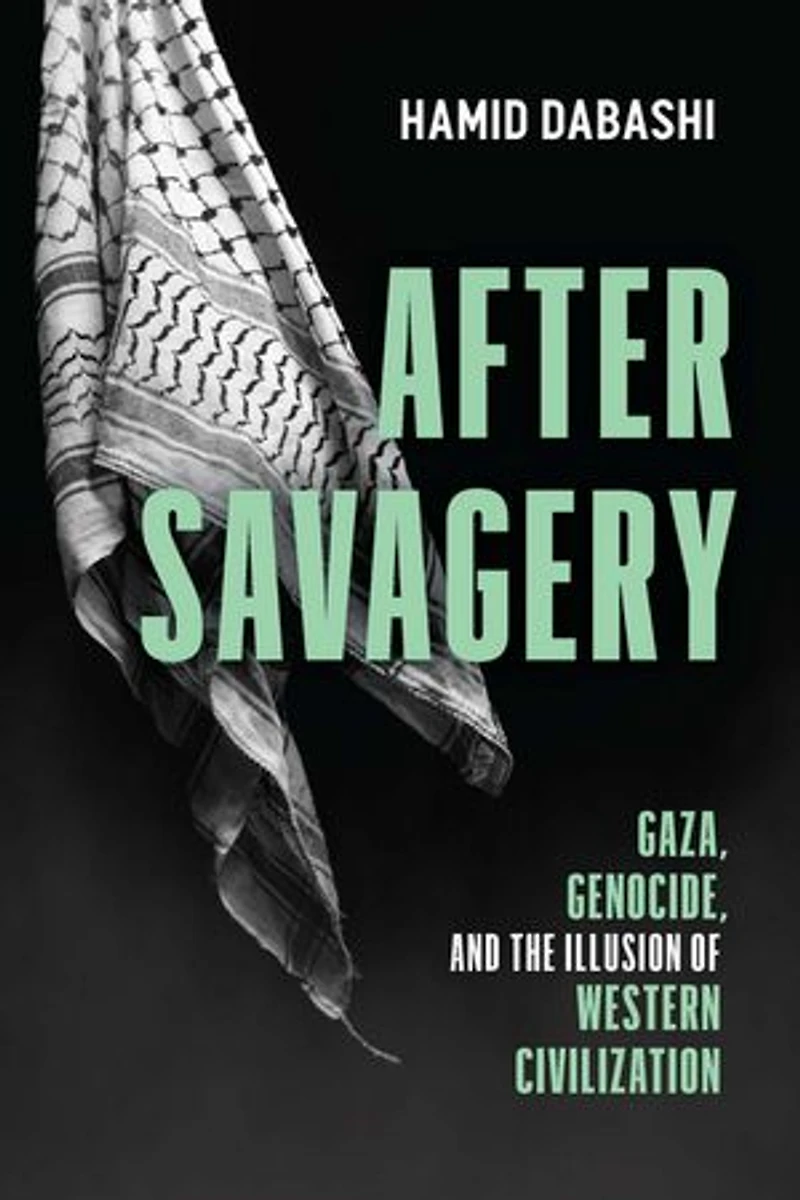
After Savagery: Gaza, Genocide, and the Illusion of Western Civilization
Current price: $11.19
Original price: $13.99

After Savagery: Gaza, Genocide, and the Illusion of Western Civilization
Current price: $11.19
Original price: $13.99
Loading Inventory...
Size: Kobo eBook
*Product information may vary - to confirm product availability, pricing, shipping and return information please contact Indigo
Written during a genocide, After Savagery reveals the ethical bankruptcy of “Western philosophy” and how it undergirds the erasure of the colonized.
The death toll in Gaza continues to rise―a cold, lifeless number representing entire communities crushed under the weight of settler colonialism.
What remains of the theories we use to understand our world? With lyrical and lucid fury, Hamid Dabashi exposes the racist roots of Western philosophy, demanding that readers overcome its pernicious phantom of relevance. Rather than perceiving “the West” as giving carte blanche to Israel, Dabashi insists that Israel must be understood as its quintessence.
If Israel is the West and the West is Israel, then Palestine is the world and the world is Palestine. Holding to glimmers from revolutionary works of literature and film, Dabashi argues, in grief and love, that the wretched of the earth need poetry after barbarism—and that Palestine is the site of a liberated imagination.
Written during a genocide, After Savagery reveals the ethical bankruptcy of “Western philosophy” and how it undergirds the erasure of the colonized.
The death toll in Gaza continues to rise―a cold, lifeless number representing entire communities crushed under the weight of settler colonialism.
What remains of the theories we use to understand our world? With lyrical and lucid fury, Hamid Dabashi exposes the racist roots of Western philosophy, demanding that readers overcome its pernicious phantom of relevance. Rather than perceiving “the West” as giving carte blanche to Israel, Dabashi insists that Israel must be understood as its quintessence.
If Israel is the West and the West is Israel, then Palestine is the world and the world is Palestine. Holding to glimmers from revolutionary works of literature and film, Dabashi argues, in grief and love, that the wretched of the earth need poetry after barbarism—and that Palestine is the site of a liberated imagination.
You May Also Like








More About Indigo at Erin Mills Town Centre
The largest book retailer in Canada also offers toys, music, home décor, gifts and lifestyle products. What's Inside...Books, Magazines, CD’s and DVD’s, Toys and Gifts, Home Accents, Electronics, Baby’s and Children’s Section, Bath and Body, Kitchen and Bedroom, Stationary Located outside in the exterior plaza.
5015 Glen Erin Dr, Mississauga, ON L5M 0R7, Canada
Find Indigo at Erin Mills Town Centre in Mississauga ON
Visit Indigo at Erin Mills Town Centre in Mississauga ON