

GIVE THE PERFECT GIFT
Erin Mills Town Centre Gift Cards are the perfect choice for your gift giving needs.Purchase gift cards at kiosks near the food court or centre court, at Guest Services, or click below to purchase online.PURCHASE HEREHome
After the Black Box: How Open Infrastructure Is Reshaping Digital Finance
Indigo
Loading Inventory...
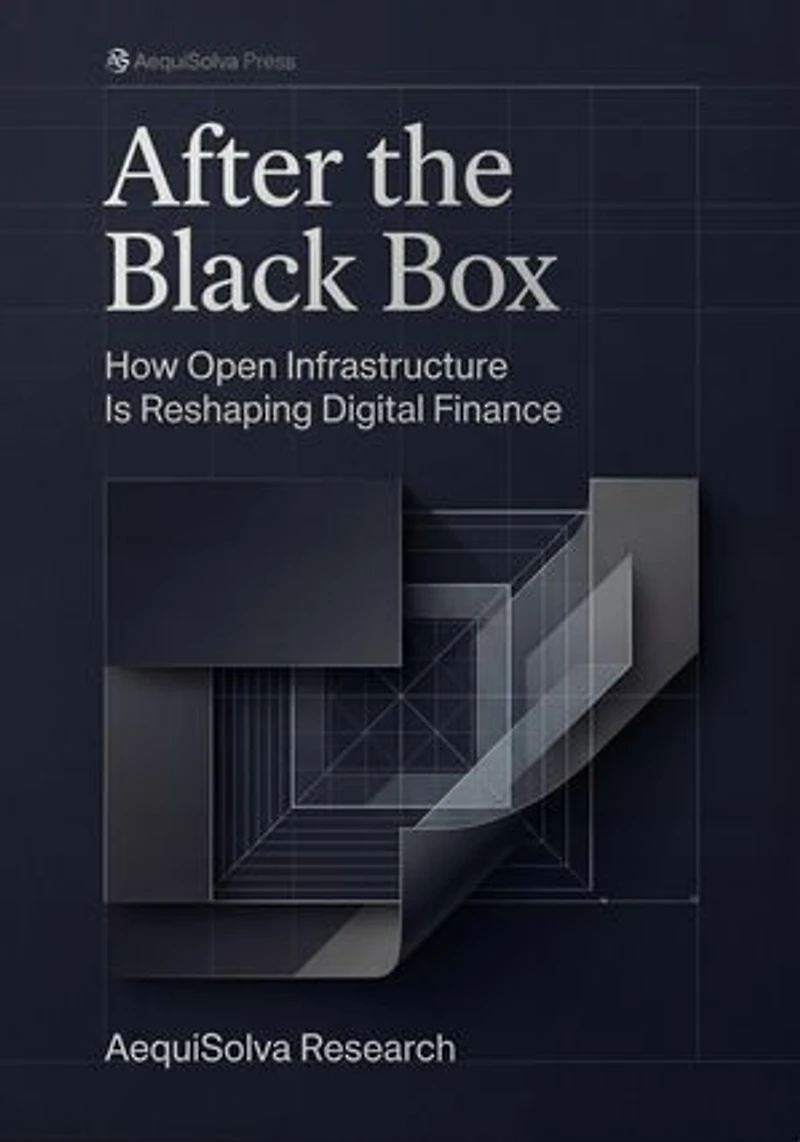
After the Black Box: How Open Infrastructure Is Reshaping Digital Finance
Current price: $1.65

After the Black Box: How Open Infrastructure Is Reshaping Digital Finance
Current price: $1.65
Loading Inventory...
Size: Kobo eBook
*Product information may vary - to confirm product availability, pricing, shipping and return information please contact Indigo
When FTX collapsed, it didn't just destroy billions in customer funds. It revealed a structural truth: the first generation of digital asset exchanges rebuilt the very opacity they were supposed to replace. Users couldn't verify reserves. Assets weren't properly segregated. The black box persisted.
After the Black Box examines the infrastructure being built to replace it. From Merkle Tree Proof of Reserves and zero-knowledge cryptography to multi-party computation custody, deterministic matching engines, and embedded compliance architecture — open infrastructure is not theoretical. It is deployed in production systems today.
Written by the research team at AequiSolva, this book provides a practical Five-Level Maturity Model for evaluating any digital asset exchange's transparency, security, and resilience. Each level is defined by specific, observable architectural properties — not marketing claims.
This is not investment advice. It is a rigorous framework for understanding what institutional-grade digital financial infrastructure actually looks like, and how to tell the difference between platforms that have built it and those that merely claim to have done so.
When FTX collapsed, it didn't just destroy billions in customer funds. It revealed a structural truth: the first generation of digital asset exchanges rebuilt the very opacity they were supposed to replace. Users couldn't verify reserves. Assets weren't properly segregated. The black box persisted.
After the Black Box examines the infrastructure being built to replace it. From Merkle Tree Proof of Reserves and zero-knowledge cryptography to multi-party computation custody, deterministic matching engines, and embedded compliance architecture — open infrastructure is not theoretical. It is deployed in production systems today.
Written by the research team at AequiSolva, this book provides a practical Five-Level Maturity Model for evaluating any digital asset exchange's transparency, security, and resilience. Each level is defined by specific, observable architectural properties — not marketing claims.
This is not investment advice. It is a rigorous framework for understanding what institutional-grade digital financial infrastructure actually looks like, and how to tell the difference between platforms that have built it and those that merely claim to have done so.
You May Also Like












More About Indigo at Erin Mills Town Centre
The largest book retailer in Canada also offers toys, music, home décor, gifts and lifestyle products. What's Inside...Books, Magazines, CD’s and DVD’s, Toys and Gifts, Home Accents, Electronics, Baby’s and Children’s Section, Bath and Body, Kitchen and Bedroom, Stationary Located outside in the exterior plaza.
5015 Glen Erin Dr, Mississauga, ON L5M 0R7, Canada
Find Indigo at Erin Mills Town Centre in Mississauga ON
Visit Indigo at Erin Mills Town Centre in Mississauga ON