

GIVE THE PERFECT GIFT
Erin Mills Town Centre Gift Cards are the perfect choice for your gift giving needs.Purchase gift cards at kiosks near the food court or centre court, at Guest Services, or click below to purchase online.PURCHASE HEREHome
After the Realist Revolution: Judicial Lawmaking in an Age of Instrumentalist Common Law Jurisprudence
Indigo
Loading Inventory...
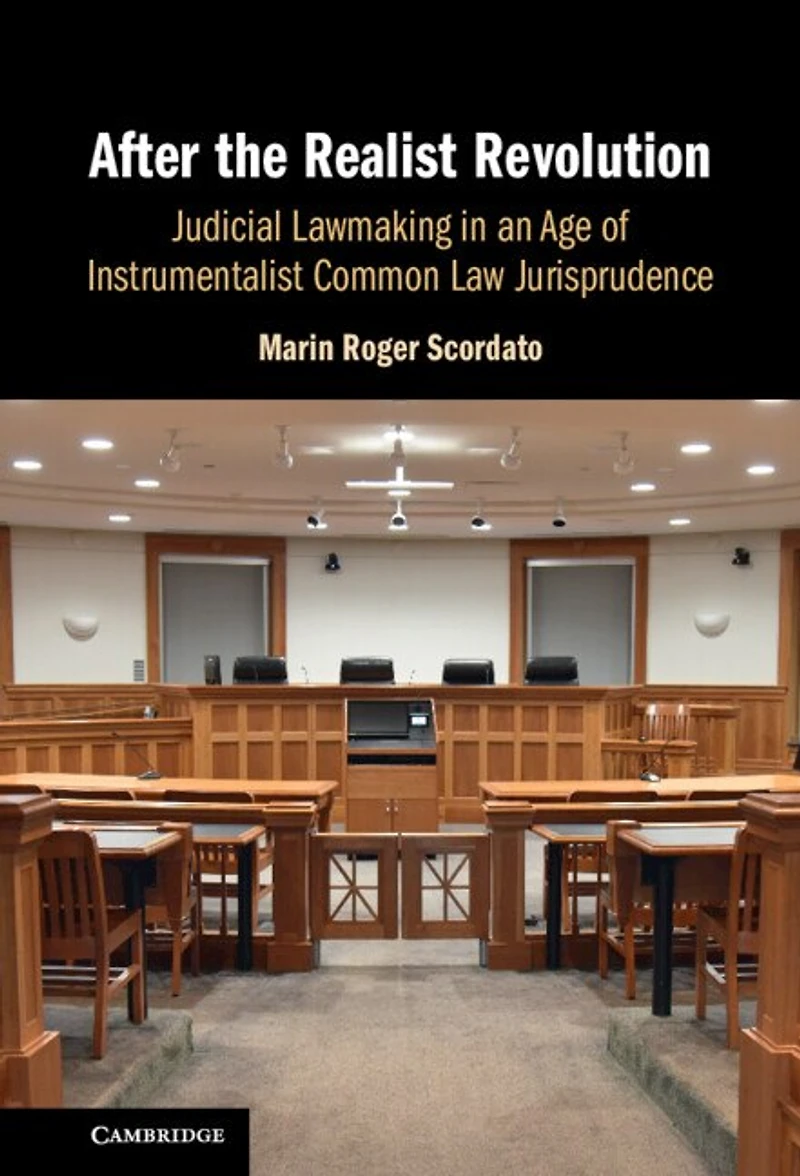
After the Realist Revolution: Judicial Lawmaking in an Age of Instrumentalist Common Law Jurisprudence
Current price: $149.95

After the Realist Revolution: Judicial Lawmaking in an Age of Instrumentalist Common Law Jurisprudence
Current price: $149.95
Loading Inventory...
Size: Hardcover
*Product information may vary - to confirm product availability, pricing, shipping and return information please contact Indigo
After the Realist Revolution extends the existing academic study of American common law into new and previously unexplored areas. Marin Scordato examines the conventional understanding of appellate court lawmaking and the profound change in the common understanding of that activity that occurred during the mid-twentieth century. Scordato argues that this change in the conventional account of common law can be best understood as an authentic paradigm shift, akin to those described by Thomas Kuhn in The Structure of Scientific Revolutions. The book also sheds light on the ways in which the current instrumentalist approach to appellate court lawmaking is influenced and, in some respects, compromised by the structures and procedures that were created during the prior formalist era. Thorough and insightful, After the Realist Revolution is an ideal resource for legal scholars and general readers interested in the nature and evolution of American common law.
After the Realist Revolution extends the existing academic study of American common law into new and previously unexplored areas. Marin Scordato examines the conventional understanding of appellate court lawmaking and the profound change in the common understanding of that activity that occurred during the mid-twentieth century. Scordato argues that this change in the conventional account of common law can be best understood as an authentic paradigm shift, akin to those described by Thomas Kuhn in The Structure of Scientific Revolutions. The book also sheds light on the ways in which the current instrumentalist approach to appellate court lawmaking is influenced and, in some respects, compromised by the structures and procedures that were created during the prior formalist era. Thorough and insightful, After the Realist Revolution is an ideal resource for legal scholars and general readers interested in the nature and evolution of American common law.
You May Also Like













More About Indigo at Erin Mills Town Centre
The largest book retailer in Canada also offers toys, music, home décor, gifts and lifestyle products. What's Inside...Books, Magazines, CD’s and DVD’s, Toys and Gifts, Home Accents, Electronics, Baby’s and Children’s Section, Bath and Body, Kitchen and Bedroom, Stationary Located outside in the exterior plaza.
5015 Glen Erin Dr, Mississauga, ON L5M 0R7, Canada
Find Indigo at Erin Mills Town Centre in Mississauga ON
Visit Indigo at Erin Mills Town Centre in Mississauga ON