

GIVE THE PERFECT GIFT
Erin Mills Town Centre Gift Cards are the perfect choice for your gift giving needs.Purchase gift cards at kiosks near the food court or centre court, at Guest Services, or click below to purchase online.PURCHASE HEREHome
Against Moab: Interrogating the Archaeology of Iron Age Jordan
Indigo
Loading Inventory...
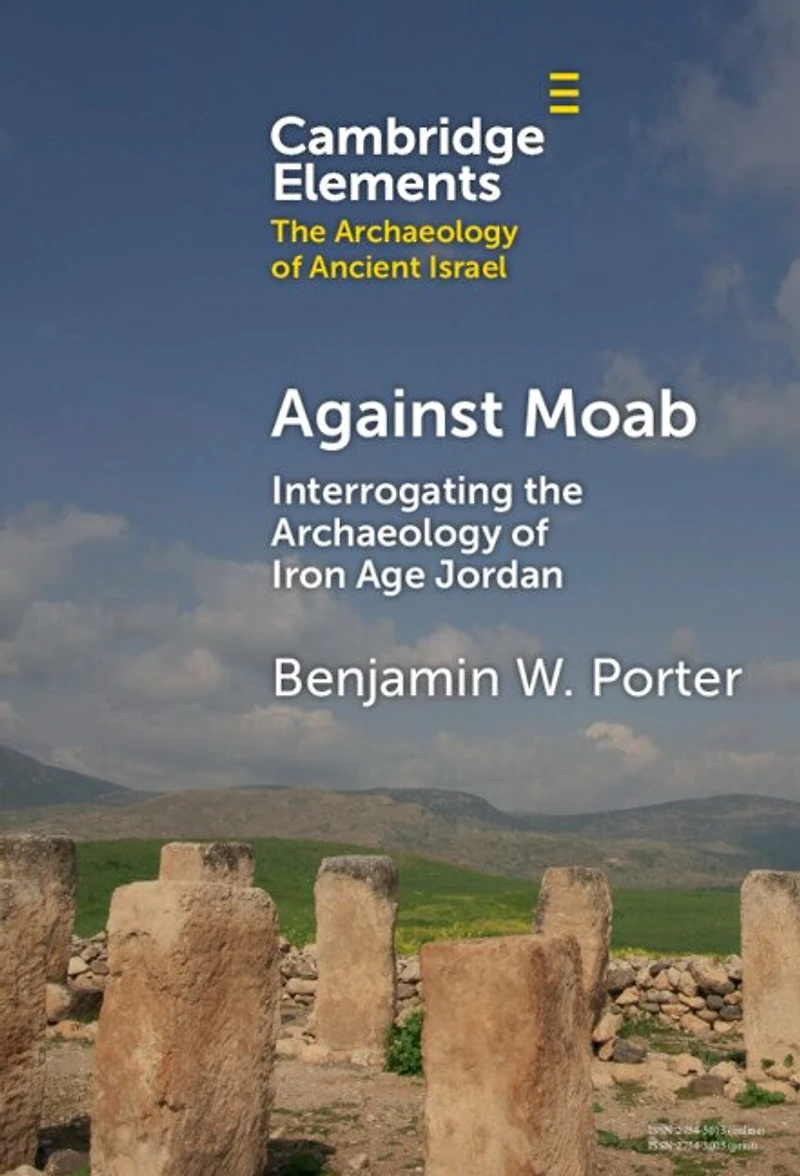
Against Moab: Interrogating the Archaeology of Iron Age Jordan
Current price: $94.73

Against Moab: Interrogating the Archaeology of Iron Age Jordan
Current price: $94.73
Loading Inventory...
Size: Hardcover
*Product information may vary - to confirm product availability, pricing, shipping and return information please contact Indigo
Known as a place, a people, and a kingdom at various points in the second and first millennia BCE, Moab has long sustained the attention of archaeologists, philologists, and historians, in part because of its adjacent location to ancient Israel. The past 150 years of research in what is today west-central Jordan has proffered a significant corpus of evidence from the region's archaeological sites. However, a critical analysis of this evidence reveals significant gaps in knowledge that challenge attempts to narrate Moab's political, economic, and social history. This Element examines the evidence as well as the debates surrounding Moab's development and decline. This title is also available as open access on Cambridge Core.
Known as a place, a people, and a kingdom at various points in the second and first millennia BCE, Moab has long sustained the attention of archaeologists, philologists, and historians, in part because of its adjacent location to ancient Israel. The past 150 years of research in what is today west-central Jordan has proffered a significant corpus of evidence from the region's archaeological sites. However, a critical analysis of this evidence reveals significant gaps in knowledge that challenge attempts to narrate Moab's political, economic, and social history. This Element examines the evidence as well as the debates surrounding Moab's development and decline. This title is also available as open access on Cambridge Core.
You May Also Like







More About Indigo at Erin Mills Town Centre
The largest book retailer in Canada also offers toys, music, home décor, gifts and lifestyle products. What's Inside...Books, Magazines, CD’s and DVD’s, Toys and Gifts, Home Accents, Electronics, Baby’s and Children’s Section, Bath and Body, Kitchen and Bedroom, Stationary Located outside in the exterior plaza.
5015 Glen Erin Dr, Mississauga, ON L5M 0R7, Canada
Find Indigo at Erin Mills Town Centre in Mississauga ON
Visit Indigo at Erin Mills Town Centre in Mississauga ON