

GIVE THE PERFECT GIFT
Erin Mills Town Centre Gift Cards are the perfect choice for your gift giving needs.Purchase gift cards at kiosks near the food court or centre court, at Guest Services, or click below to purchase online.PURCHASE HEREHome
Age Differences in Familiarity and Recollection: ERP Evidence for the Development of Recognition Memory in Childhood
Indigo
Loading Inventory...
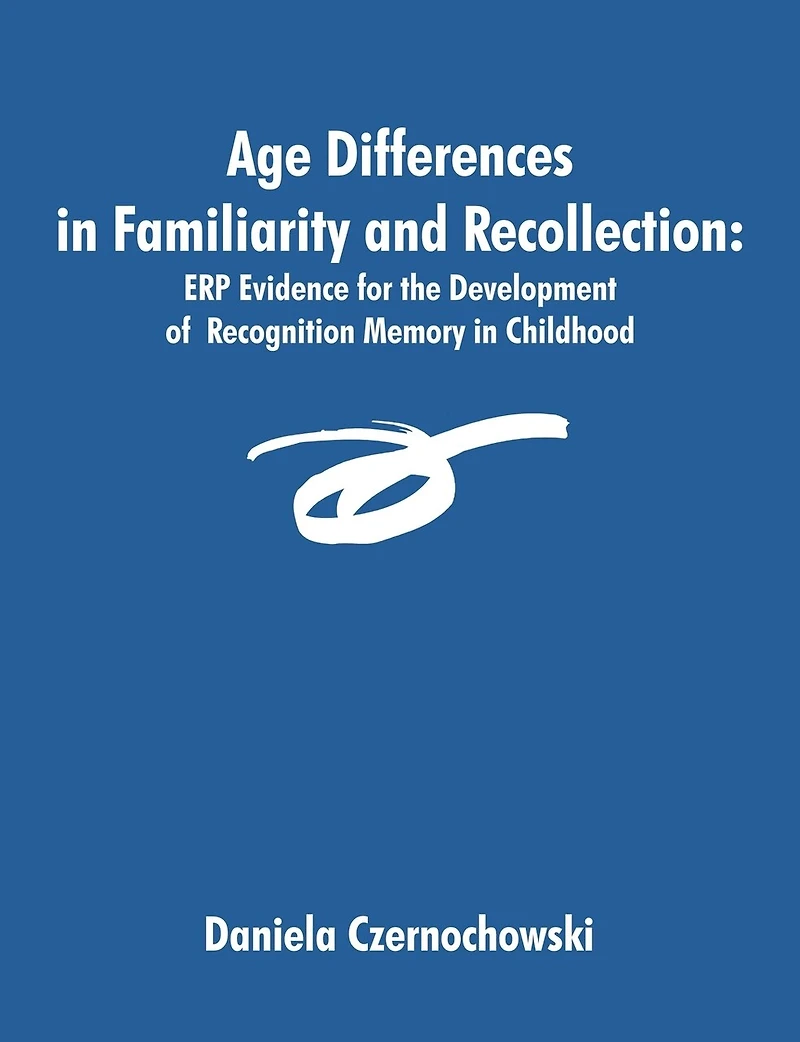
Age Differences in Familiarity and Recollection: ERP Evidence for the Development of Recognition Memory in Childhood
Current price: $59.95

Age Differences in Familiarity and Recollection: ERP Evidence for the Development of Recognition Memory in Childhood
Current price: $59.95
Loading Inventory...
Size: Paperback
*Product information may vary - to confirm product availability, pricing, shipping and return information please contact Indigo
Is there a qualitative difference between memory functions in adults and children? Given the relevance of memory processes for virtually every aspect of everyday life and the complex interactions between memory development and general cognitive abilities, surprisingly little is known about memory abilities in childhood. In four experiments with children aged 6-12 years and young adults, the developmental trajectories of two separate mechanisms underlying recognition memory - familiarity and recollection - were examined using event-related potentials (ERPs). Developmental changes were evident in both mechanisms of recognition memory. The data also revealed some surprising similarities across the life-span and emphasize the importance of strategic modulation of memory retrieval. Furthermore, the present investigation of memory development highlights age-related changes in cognitive processes and the maturation of the brain structures underlying these developmental changes.
Is there a qualitative difference between memory functions in adults and children? Given the relevance of memory processes for virtually every aspect of everyday life and the complex interactions between memory development and general cognitive abilities, surprisingly little is known about memory abilities in childhood. In four experiments with children aged 6-12 years and young adults, the developmental trajectories of two separate mechanisms underlying recognition memory - familiarity and recollection - were examined using event-related potentials (ERPs). Developmental changes were evident in both mechanisms of recognition memory. The data also revealed some surprising similarities across the life-span and emphasize the importance of strategic modulation of memory retrieval. Furthermore, the present investigation of memory development highlights age-related changes in cognitive processes and the maturation of the brain structures underlying these developmental changes.
You May Also Like














More About Indigo at Erin Mills Town Centre
The largest book retailer in Canada also offers toys, music, home décor, gifts and lifestyle products. What's Inside...Books, Magazines, CD’s and DVD’s, Toys and Gifts, Home Accents, Electronics, Baby’s and Children’s Section, Bath and Body, Kitchen and Bedroom, Stationary Located outside in the exterior plaza.
5015 Glen Erin Dr, Mississauga, ON L5M 0R7, Canada
Find Indigo at Erin Mills Town Centre in Mississauga ON
Visit Indigo at Erin Mills Town Centre in Mississauga ON