

GIVE THE PERFECT GIFT
Erin Mills Town Centre Gift Cards are the perfect choice for your gift giving needs.Purchase gift cards at kiosks near the food court or centre court, at Guest Services, or click below to purchase online.PURCHASE HEREHome
Age, Gender and Status Macedonian Society, 550-300 BCE: Intersectional Approaches to Mortuary Archaeology
Indigo
Loading Inventory...
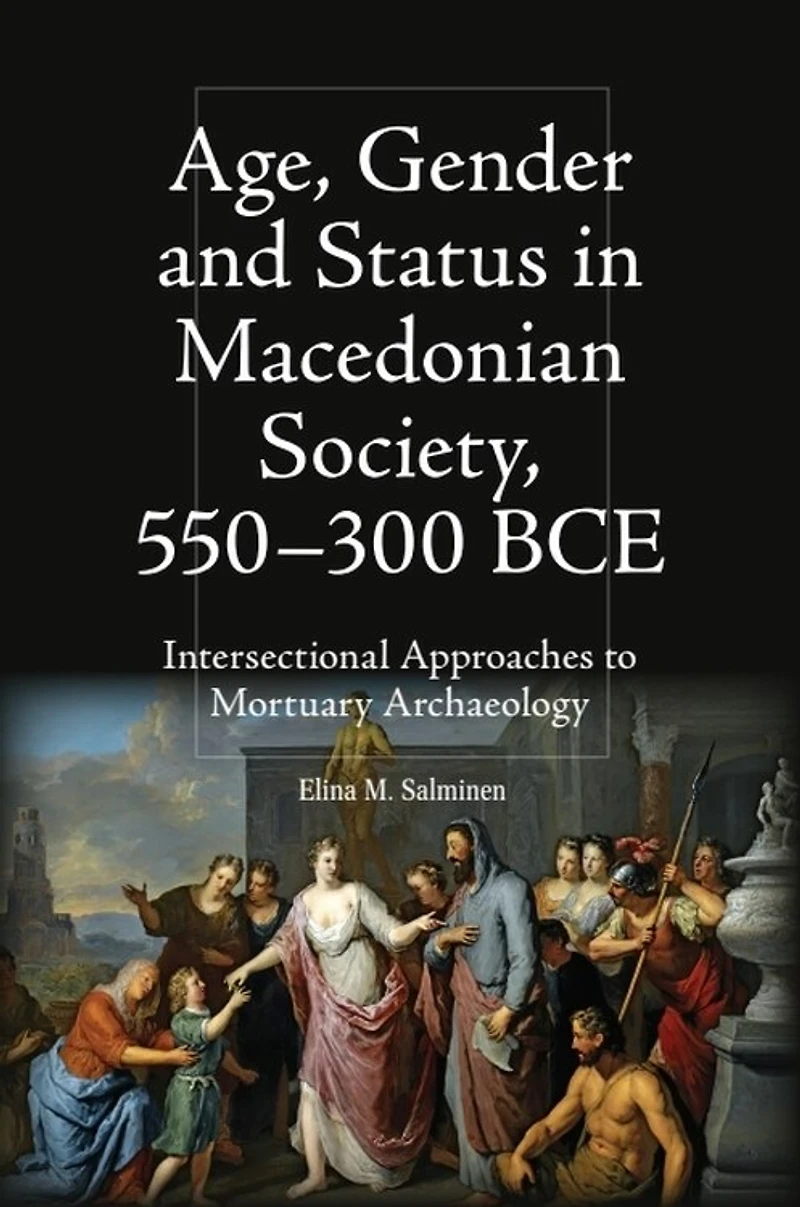
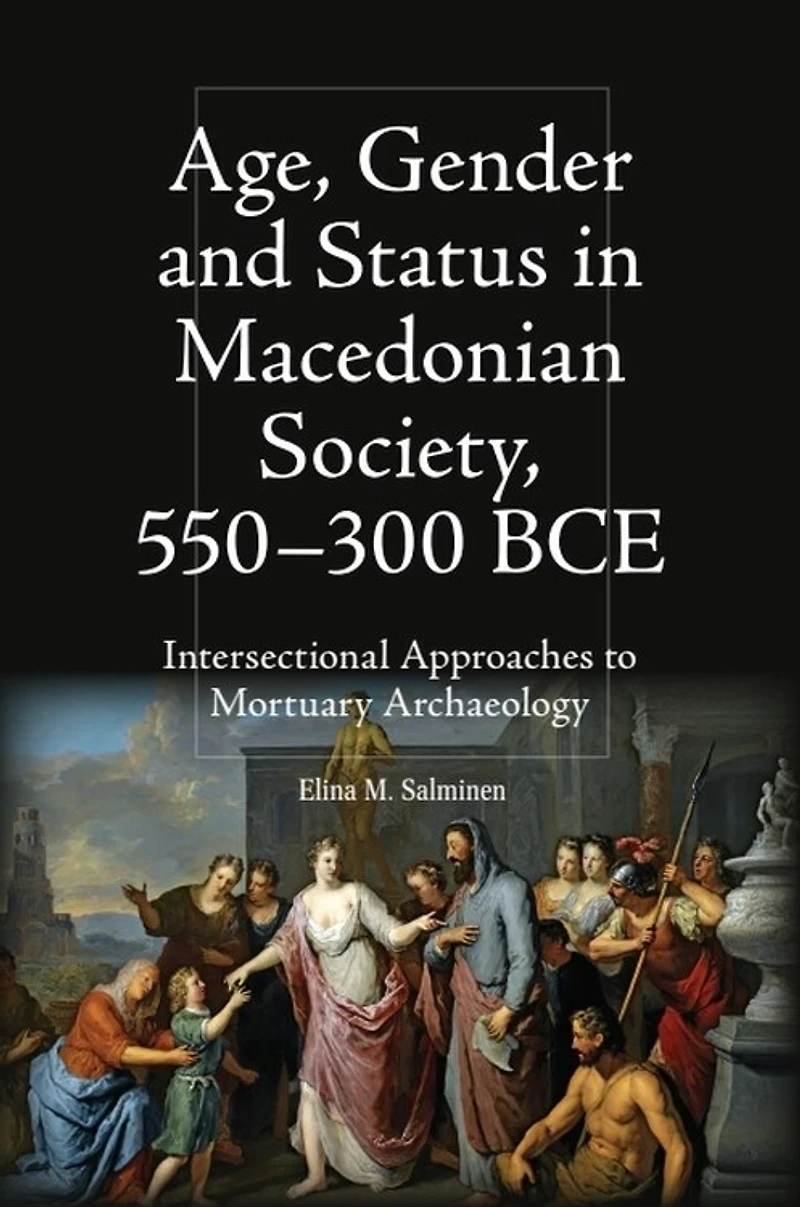
Age, Gender and Status Macedonian Society, 550-300 BCE: Intersectional Approaches to Mortuary Archaeology
Current price: $248.90

Age, Gender and Status Macedonian Society, 550-300 BCE: Intersectional Approaches to Mortuary Archaeology
Current price: $248.90
Loading Inventory...
Size: Hardcover (2016)
*Product information may vary - to confirm product availability, pricing, shipping and return information please contact Indigo
Building on the largest sample of Archaic to Hellenistic burials from Macedon synthesized to date, this work provides new insight into the society that gave birth to Philip II and Alexander the Great. An intersectional focus on gender, age, and status reveals the lives of Macedonians only rarely discussed, from non-elite men to women and children. Through quantitative analysis and case-studies, the reader gets a view of the complexity and nuance of a society sometimes reduced to mighty warriors and fierce royal women. Change over time is also discussed, introducing depth into the historical narrative that is largely limited to the Late Classical and Hellenistic periods. Finally, the book addresses the promise and challenges of applying intersectionality, a framework that is immensely fruitful but which was developed for contemporary contexts, to archaeological contexts.
Building on the largest sample of Archaic to Hellenistic burials from Macedon synthesized to date, this work provides new insight into the society that gave birth to Philip II and Alexander the Great. An intersectional focus on gender, age, and status reveals the lives of Macedonians only rarely discussed, from non-elite men to women and children. Through quantitative analysis and case-studies, the reader gets a view of the complexity and nuance of a society sometimes reduced to mighty warriors and fierce royal women. Change over time is also discussed, introducing depth into the historical narrative that is largely limited to the Late Classical and Hellenistic periods. Finally, the book addresses the promise and challenges of applying intersectionality, a framework that is immensely fruitful but which was developed for contemporary contexts, to archaeological contexts.
You May Also Like








More About Indigo at Erin Mills Town Centre
The largest book retailer in Canada also offers toys, music, home décor, gifts and lifestyle products. What's Inside...Books, Magazines, CD’s and DVD’s, Toys and Gifts, Home Accents, Electronics, Baby’s and Children’s Section, Bath and Body, Kitchen and Bedroom, Stationary Located outside in the exterior plaza.
5015 Glen Erin Dr, Mississauga, ON L5M 0R7, Canada
Find Indigo at Erin Mills Town Centre in Mississauga ON
Visit Indigo at Erin Mills Town Centre in Mississauga ON