

GIVE THE PERFECT GIFT
Erin Mills Town Centre Gift Cards are the perfect choice for your gift giving needs.Purchase gift cards at kiosks near the food court or centre court, at Guest Services, or click below to purchase online.PURCHASE HEREHome
Age Norms and Intercultural Interaction Colonial North America
Indigo
Loading Inventory...
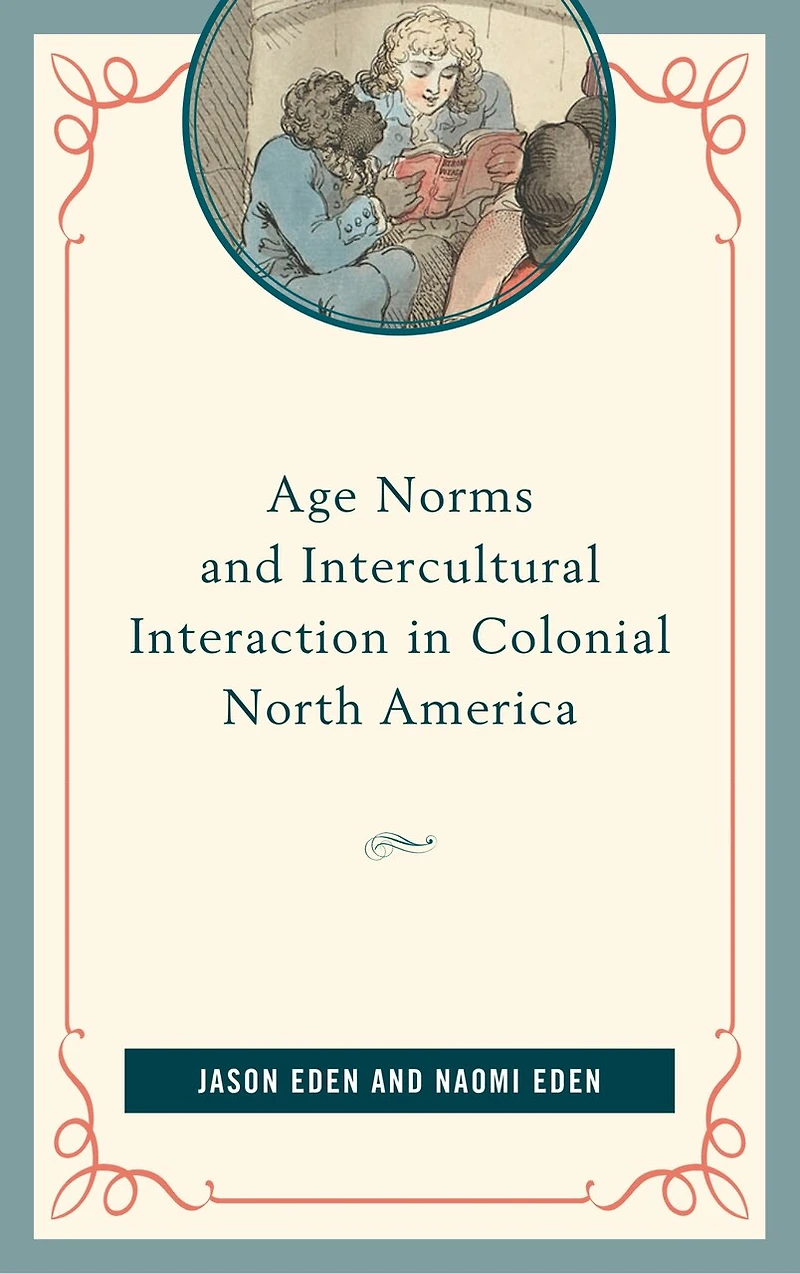
Age Norms and Intercultural Interaction Colonial North America
Current price: $160.00

Age Norms and Intercultural Interaction Colonial North America
Current price: $160.00
Loading Inventory...
Size: Hardcover
*Product information may vary - to confirm product availability, pricing, shipping and return information please contact Indigo
This interdisciplinary study examines how age norms shaped the experiences of Europeans, Native Americans, and African Americans in colonial North America, exploring how diverse population groups conceptualized the human life course and how they adhered to culturally specific sets of beliefs about the young and old. Utilizing evidence drawn from a variety of secondary and primary sources, the authors also show that, as various cultural groups interacted in colonial North America, their views of specific age cohorts evolved and clashed in important ways.
Although age is a category of analysis often overlooked by scholars, this book demonstrates that it was pivotal for everyone who lived in early North America, including the various Native American tribes that inhabited the eastern part of the continent. It also addresses the different ways that European colonists experienced the human life course in three geopolitical regions: New England, the Middle Colonies, and the South. It further explains how age norms played a significant role in both the development of racialized slavery in North America and in relationships between Europeans and Native Americans. This study reveals that even within the uneven power dynamic often present during colonial encounters, African American and Native American attitudes and practices related to human aging proved resilient and influential.
Overall, by examining how early Americans viewed and treated children, youths, and older adults, this book is one of the first to systematically explore the deep historical roots of age norms in territories that would eventually become a part of the United States. Many of the beliefs about human aging that emerged during the colonial period continue to shape approaches to childrearing, education, health care, and numerous other issues. Furthermore, this study—in addition to providing unique and valuable historical information—offers readers alternative ways of understanding and approaching the human life course, making it relevant to both policymakers and scholars working in a variety of fields.
This interdisciplinary study examines how age norms shaped the experiences of Europeans, Native Americans, and African Americans in colonial North America, exploring how diverse population groups conceptualized the human life course and how they adhered to culturally specific sets of beliefs about the young and old. Utilizing evidence drawn from a variety of secondary and primary sources, the authors also show that, as various cultural groups interacted in colonial North America, their views of specific age cohorts evolved and clashed in important ways.
Although age is a category of analysis often overlooked by scholars, this book demonstrates that it was pivotal for everyone who lived in early North America, including the various Native American tribes that inhabited the eastern part of the continent. It also addresses the different ways that European colonists experienced the human life course in three geopolitical regions: New England, the Middle Colonies, and the South. It further explains how age norms played a significant role in both the development of racialized slavery in North America and in relationships between Europeans and Native Americans. This study reveals that even within the uneven power dynamic often present during colonial encounters, African American and Native American attitudes and practices related to human aging proved resilient and influential.
Overall, by examining how early Americans viewed and treated children, youths, and older adults, this book is one of the first to systematically explore the deep historical roots of age norms in territories that would eventually become a part of the United States. Many of the beliefs about human aging that emerged during the colonial period continue to shape approaches to childrearing, education, health care, and numerous other issues. Furthermore, this study—in addition to providing unique and valuable historical information—offers readers alternative ways of understanding and approaching the human life course, making it relevant to both policymakers and scholars working in a variety of fields.
You May Also Like













More About Indigo at Erin Mills Town Centre
The largest book retailer in Canada also offers toys, music, home décor, gifts and lifestyle products. What's Inside...Books, Magazines, CD’s and DVD’s, Toys and Gifts, Home Accents, Electronics, Baby’s and Children’s Section, Bath and Body, Kitchen and Bedroom, Stationary Located outside in the exterior plaza.
5015 Glen Erin Dr, Mississauga, ON L5M 0R7, Canada
Find Indigo at Erin Mills Town Centre in Mississauga ON
Visit Indigo at Erin Mills Town Centre in Mississauga ON