

GIVE THE PERFECT GIFT
Erin Mills Town Centre Gift Cards are the perfect choice for your gift giving needs.Purchase gift cards at kiosks near the food court or centre court, at Guest Services, or click below to purchase online.PURCHASE HEREHome
Age of Entanglement: German and Indian Intellectuals across Empire
Indigo
Loading Inventory...
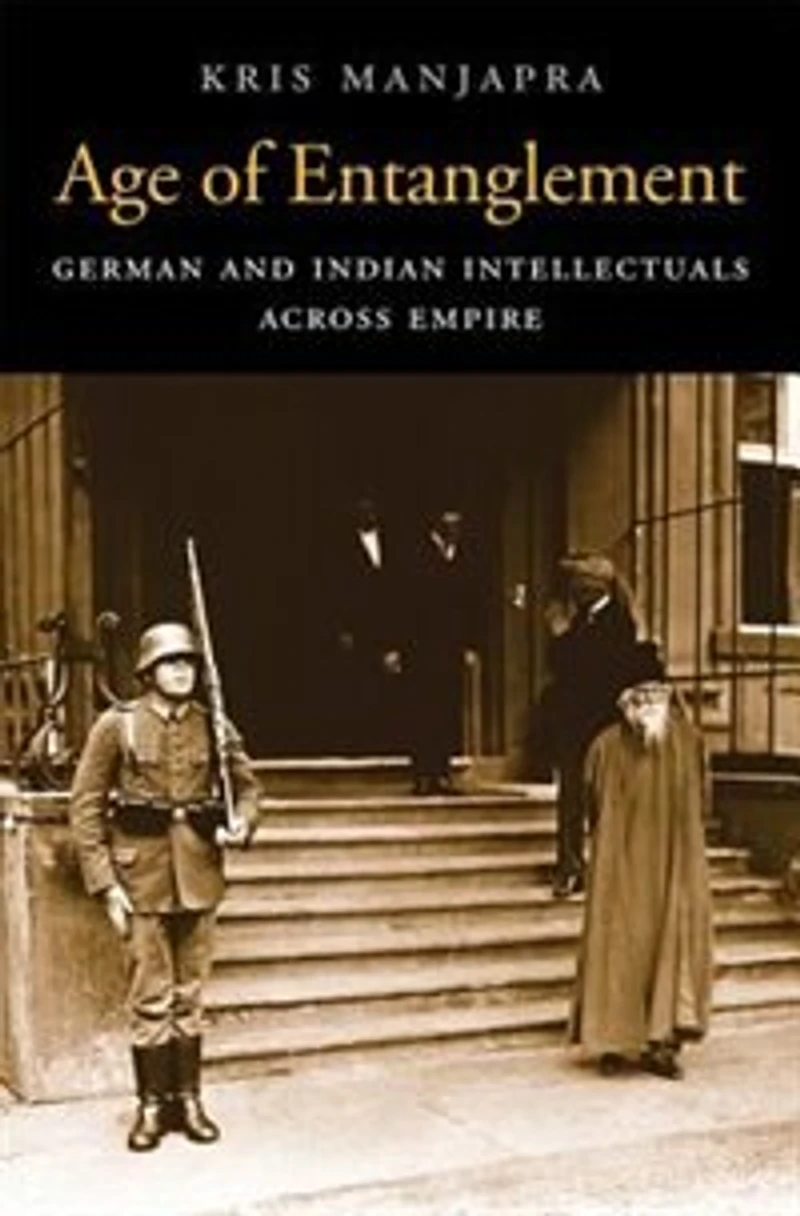
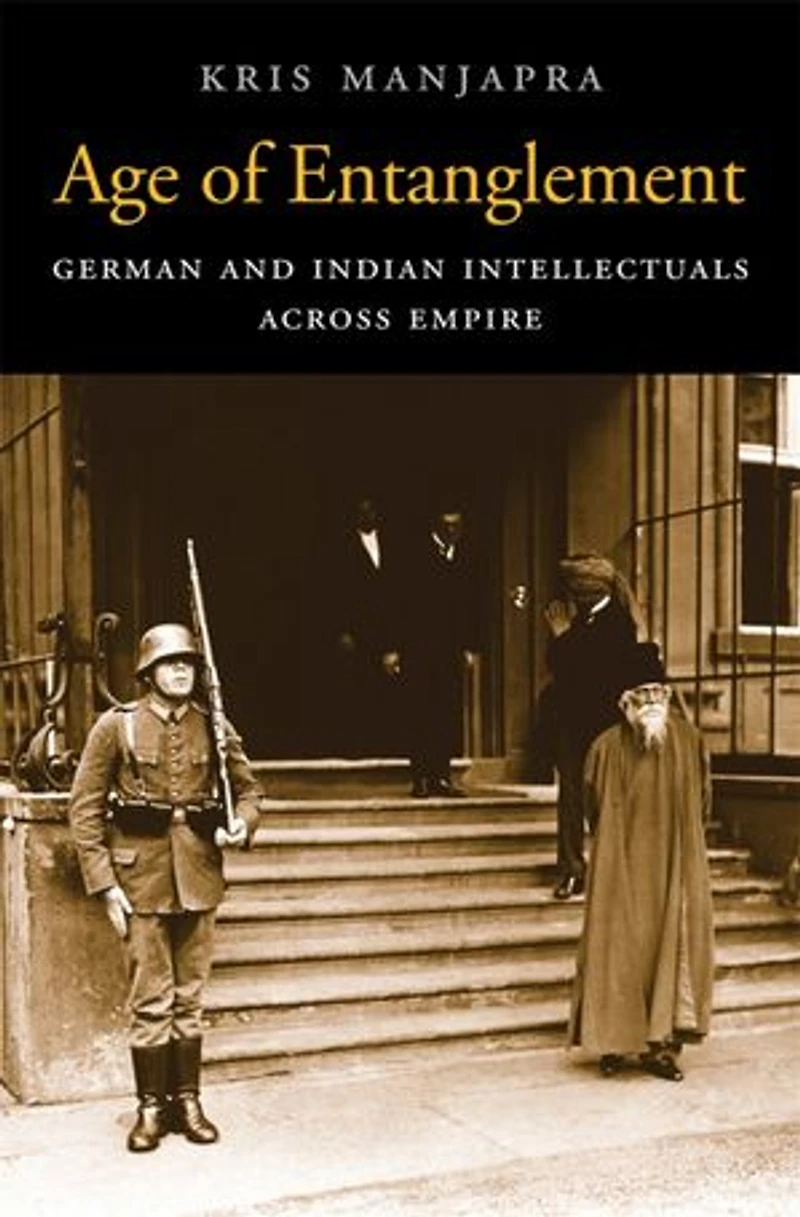
Age of Entanglement: German and Indian Intellectuals across Empire
Current price: $82.00

Age of Entanglement: German and Indian Intellectuals across Empire
Current price: $82.00
Loading Inventory...
Size: Hardcover
*Product information may vary - to confirm product availability, pricing, shipping and return information please contact Indigo
Age of Entanglement explores patterns of connection linking German and Indian intellectuals from the nineteenth century to the years after the Second World War. Kris Manjapra traces the intersecting ideas and careers of a diverse collection of individuals from South Asia and Central Europe who shared ideas, formed networks, and studied one another’s worlds. Moving beyond well-rehearsed critiques of colonialism towards a new critical approach, this study recasts modern intellectual history in terms of the knotted intellectual itineraries of seeming strangers.
Collaborations in the sciences, arts, and humanities produced extraordinary meetings of German and Indian minds. Meghnad Saha met Albert Einstein, Stella Kramrisch brought the Bauhaus to Calcutta, and Girindrasekhar Bose began a correspondence with Sigmund Freud. Rabindranath Tagore traveled to Germany to recruit scholars for a new Indian university, and the actor Himanshu Rai hired director Franz Osten to help establish movie studios in Bombay. These interactions, Manjapra argues, evinced shared responses to the cultural and political hegemony of the British empire. Germans and Indians hoped to find in one another the tools needed to disrupt an Anglocentric world order.
As Manjapra demonstrates, transnational intellectual encounters are not inherently progressive. From Orientalism and Aryanism to socialism and scientism, German–Indian entanglements were neither necessarily liberal nor conventionally cosmopolitan, often characterized as much by manipulation as by cooperation. Age of Entanglement underscores the connections between German and Indian intellectual history, revealing the characteristics of a global age when the distance separating Europe and Asia seemed, temporarily, to disappear.
Age of Entanglement explores patterns of connection linking German and Indian intellectuals from the nineteenth century to the years after the Second World War. Kris Manjapra traces the intersecting ideas and careers of a diverse collection of individuals from South Asia and Central Europe who shared ideas, formed networks, and studied one another’s worlds. Moving beyond well-rehearsed critiques of colonialism towards a new critical approach, this study recasts modern intellectual history in terms of the knotted intellectual itineraries of seeming strangers.
Collaborations in the sciences, arts, and humanities produced extraordinary meetings of German and Indian minds. Meghnad Saha met Albert Einstein, Stella Kramrisch brought the Bauhaus to Calcutta, and Girindrasekhar Bose began a correspondence with Sigmund Freud. Rabindranath Tagore traveled to Germany to recruit scholars for a new Indian university, and the actor Himanshu Rai hired director Franz Osten to help establish movie studios in Bombay. These interactions, Manjapra argues, evinced shared responses to the cultural and political hegemony of the British empire. Germans and Indians hoped to find in one another the tools needed to disrupt an Anglocentric world order.
As Manjapra demonstrates, transnational intellectual encounters are not inherently progressive. From Orientalism and Aryanism to socialism and scientism, German–Indian entanglements were neither necessarily liberal nor conventionally cosmopolitan, often characterized as much by manipulation as by cooperation. Age of Entanglement underscores the connections between German and Indian intellectual history, revealing the characteristics of a global age when the distance separating Europe and Asia seemed, temporarily, to disappear.
You May Also Like







More About Indigo at Erin Mills Town Centre
The largest book retailer in Canada also offers toys, music, home décor, gifts and lifestyle products. What's Inside...Books, Magazines, CD’s and DVD’s, Toys and Gifts, Home Accents, Electronics, Baby’s and Children’s Section, Bath and Body, Kitchen and Bedroom, Stationary Located outside in the exterior plaza.
5015 Glen Erin Dr, Mississauga, ON L5M 0R7, Canada
Find Indigo at Erin Mills Town Centre in Mississauga ON
Visit Indigo at Erin Mills Town Centre in Mississauga ON