

GIVE THE PERFECT GIFT
Erin Mills Town Centre Gift Cards are the perfect choice for your gift giving needs.Purchase gift cards at kiosks near the food court or centre court, at Guest Services, or click below to purchase online.PURCHASE HEREHome
Age of Fear: The Cold War and Its Influence on Czechoslovakia, 1945–1968
Indigo
Loading Inventory...
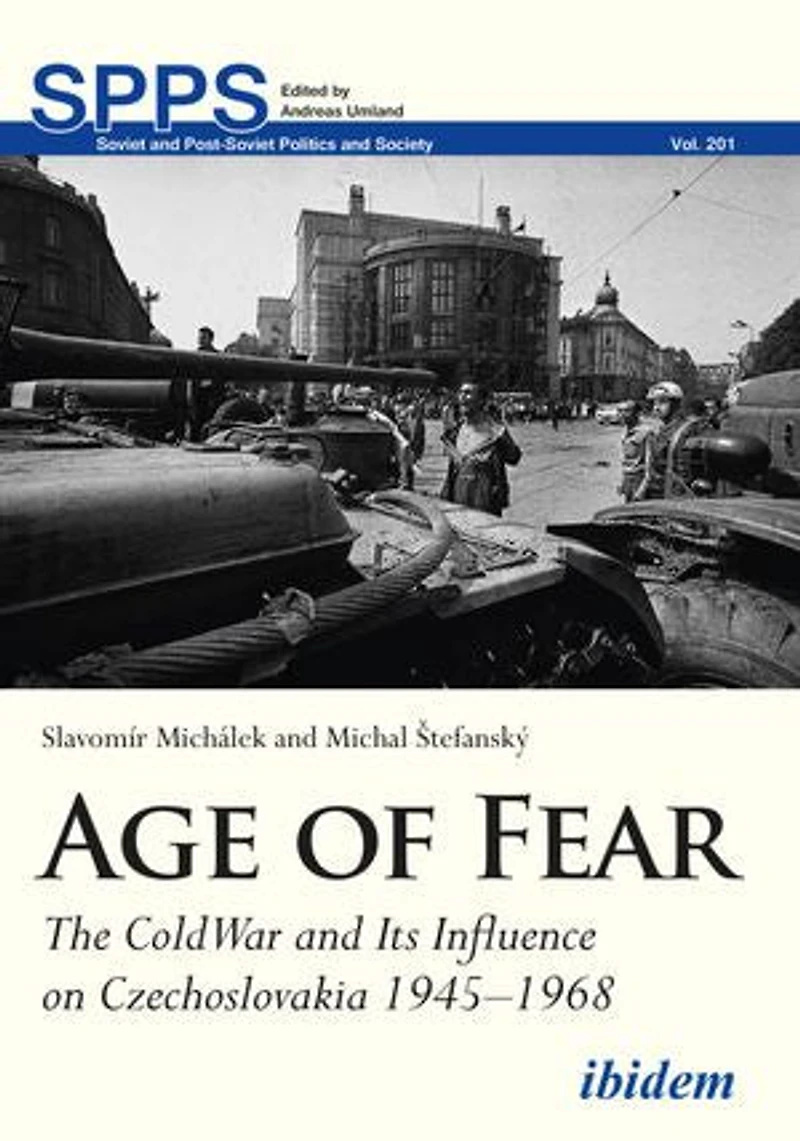
Age of Fear: The Cold War and Its Influence on Czechoslovakia, 1945–1968
Current price: $46.99

Age of Fear: The Cold War and Its Influence on Czechoslovakia, 1945–1968
Current price: $46.99
Loading Inventory...
Size: Kobo eBook
*Product information may vary - to confirm product availability, pricing, shipping and return information please contact Indigo
Czechoslovakia played an important role within the Soviet bloc, yet its history remains underresearched. This monograph blends historical analysis of the superpowers’ foreign policies with an assessment of their impact on Czechoslovakia and its position within the Soviet bloc. The book thereby places Czechoslovakia on the map of Cold War history, i.e. the era of “mutually assured destruction” that lasted almost half a century. It provides a lucid introduction to some milestones in international Cold War history in their relation to Czecho-Slovak history. The book’s novel contribution is to explain Czechoslovakia’s domestic situation during the Cold War from the “outside.” Drawing on extensive source materials of Slovak, Czech, American, and Russian provenance, it provides a more comprehensive understanding of postwar Czecho-Slovak history while also contributing to general knowledge about the nature and impact of the Cold War.
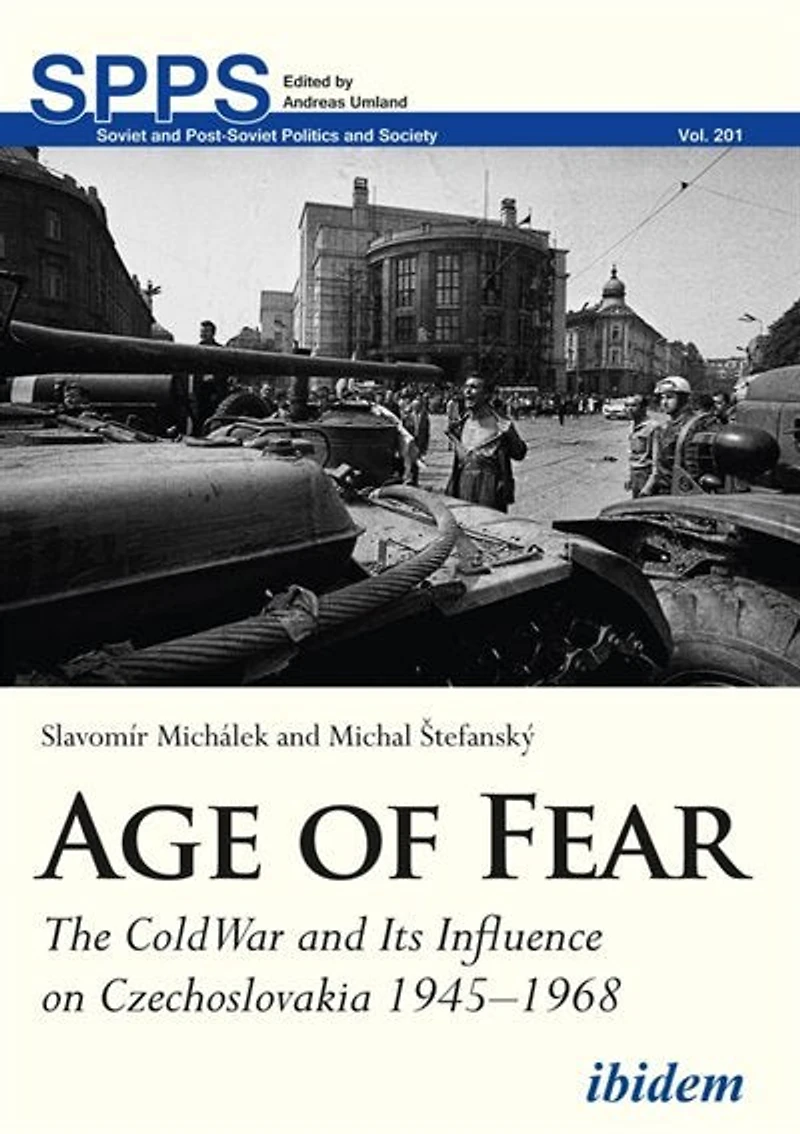
Czechoslovakia played an important role within the Soviet bloc, yet its history remains underresearched. This monograph blends historical analysis of the superpowers’ foreign policies with an assessment of their impact on Czechoslovakia and its position within the Soviet bloc. The book thereby places Czechoslovakia on the map of Cold War history, i.e. the era of “mutually assured destruction” that lasted almost half a century. It provides a lucid introduction to some milestones in international Cold War history in their relation to Czecho-Slovak history. The book’s novel contribution is to explain Czechoslovakia’s domestic situation during the Cold War from the “outside.” Drawing on extensive source materials of Slovak, Czech, American, and Russian provenance, it provides a more comprehensive understanding of postwar Czecho-Slovak history while also contributing to general knowledge about the nature and impact of the Cold War.
You May Also Like







More About Indigo at Erin Mills Town Centre
The largest book retailer in Canada also offers toys, music, home décor, gifts and lifestyle products. What's Inside...Books, Magazines, CD’s and DVD’s, Toys and Gifts, Home Accents, Electronics, Baby’s and Children’s Section, Bath and Body, Kitchen and Bedroom, Stationary Located outside in the exterior plaza.
5015 Glen Erin Dr, Mississauga, ON L5M 0R7, Canada
Find Indigo at Erin Mills Town Centre in Mississauga ON
Visit Indigo at Erin Mills Town Centre in Mississauga ON