

GIVE THE PERFECT GIFT
Erin Mills Town Centre Gift Cards are the perfect choice for your gift giving needs.Purchase gift cards at kiosks near the food court or centre court, at Guest Services, or click below to purchase online.PURCHASE HEREHome
Ageing in the Modern Arabic Novel
Indigo
Loading Inventory...
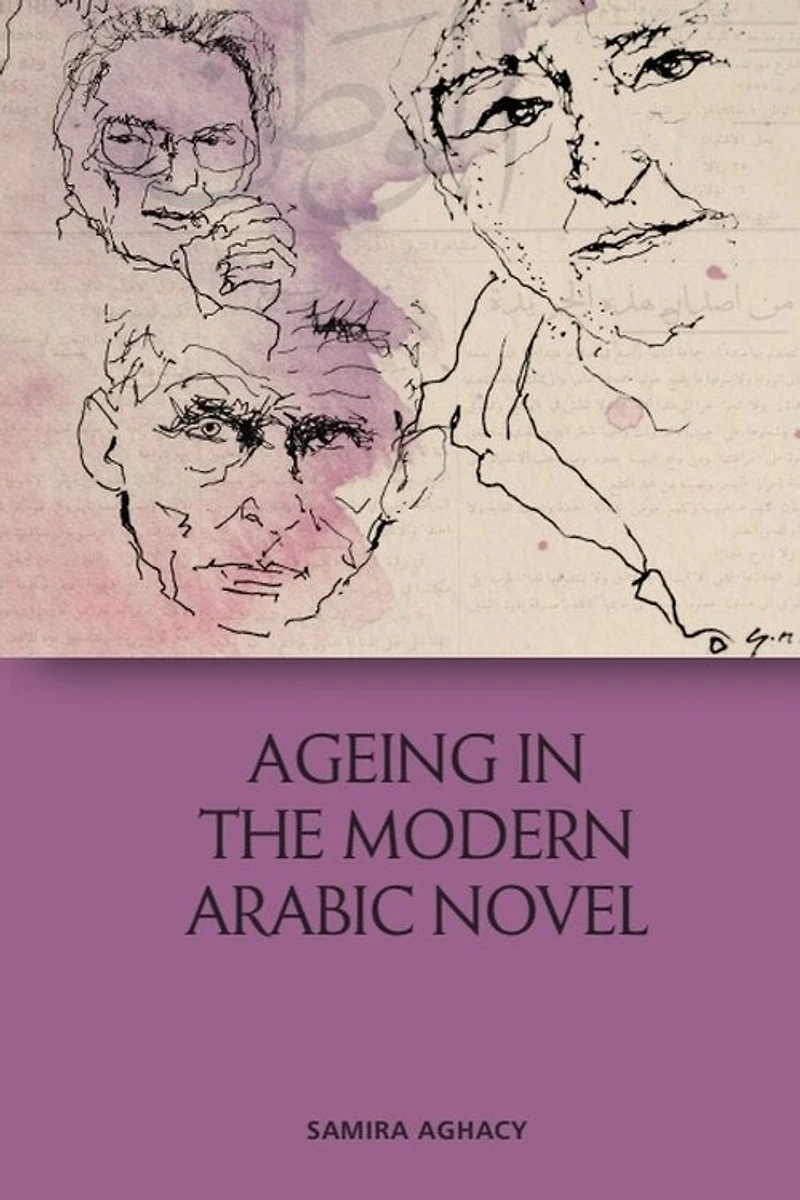
Ageing in the Modern Arabic Novel
Current price: $38.75

Ageing in the Modern Arabic Novel
Current price: $38.75
Loading Inventory...
Size: Paperback
*Product information may vary - to confirm product availability, pricing, shipping and return information please contact Indigo
There are more than 15 million people aged over 65 currently living in the MENA region, yet little attention has been paid to the cultural significance of growing old. This book recognises the widespread silence by countering the critical corpus that reads modern Arabic novels as a political discourse with an emphasis on youth achievement. By assembling a range of fictional works from different parts of the Arab world that incorporate older characters, this book draws on a range of theoretical approaches to aging, particularly from the perspective of gender and feminism, to reconcile the biological and cultural understandings of old age. It reveals that there is no standard female or male experience and no single prototype of oldness in the modern Arabic novel, and that men and women manifest a multiplicity of identities, concerns, and experiences as they grow older.
There are more than 15 million people aged over 65 currently living in the MENA region, yet little attention has been paid to the cultural significance of growing old. This book recognises the widespread silence by countering the critical corpus that reads modern Arabic novels as a political discourse with an emphasis on youth achievement. By assembling a range of fictional works from different parts of the Arab world that incorporate older characters, this book draws on a range of theoretical approaches to aging, particularly from the perspective of gender and feminism, to reconcile the biological and cultural understandings of old age. It reveals that there is no standard female or male experience and no single prototype of oldness in the modern Arabic novel, and that men and women manifest a multiplicity of identities, concerns, and experiences as they grow older.
You May Also Like







More About Indigo at Erin Mills Town Centre
The largest book retailer in Canada also offers toys, music, home décor, gifts and lifestyle products. What's Inside...Books, Magazines, CD’s and DVD’s, Toys and Gifts, Home Accents, Electronics, Baby’s and Children’s Section, Bath and Body, Kitchen and Bedroom, Stationary Located outside in the exterior plaza.
5015 Glen Erin Dr, Mississauga, ON L5M 0R7, Canada
Find Indigo at Erin Mills Town Centre in Mississauga ON
Visit Indigo at Erin Mills Town Centre in Mississauga ON