

GIVE THE PERFECT GIFT
Erin Mills Town Centre Gift Cards are the perfect choice for your gift giving needs.Purchase gift cards at kiosks near the food court or centre court, at Guest Services, or click below to purchase online.PURCHASE HEREHome
Agency, Culture, and Human Personhood: Pastoral Thelogy Intimate Partner Violence
Indigo
Loading Inventory...
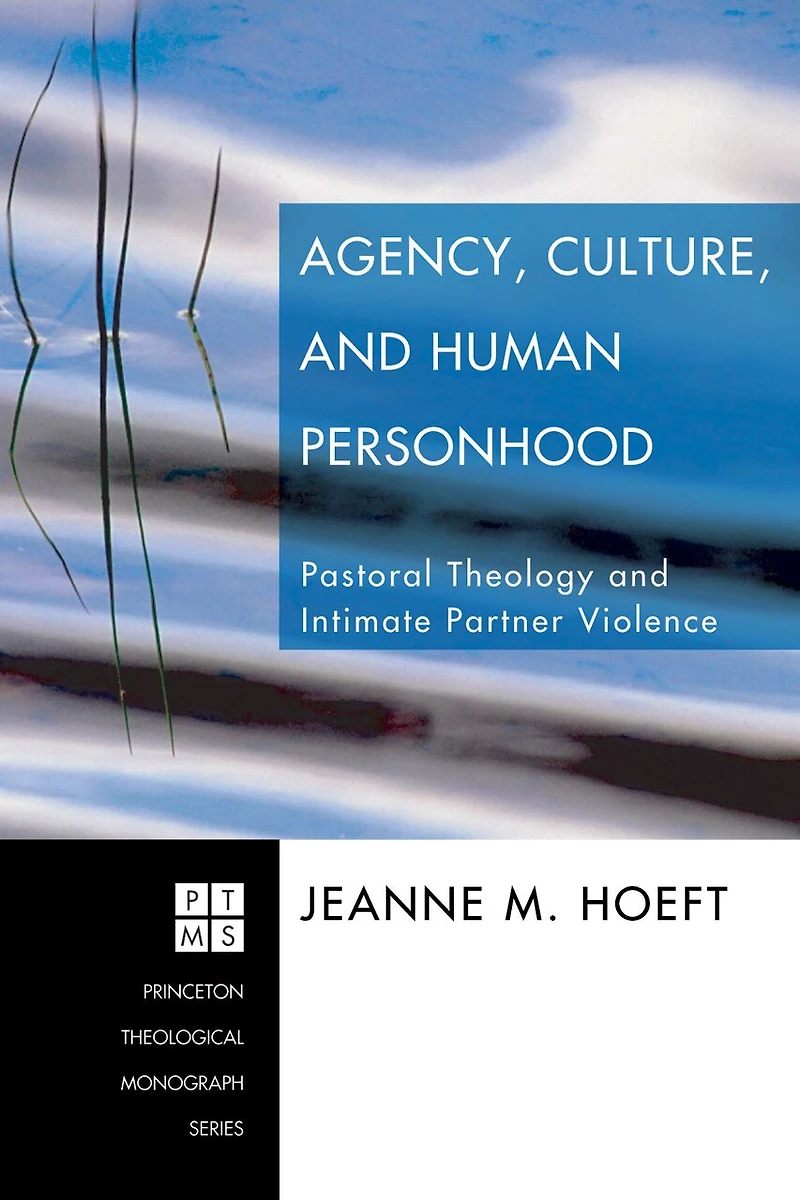
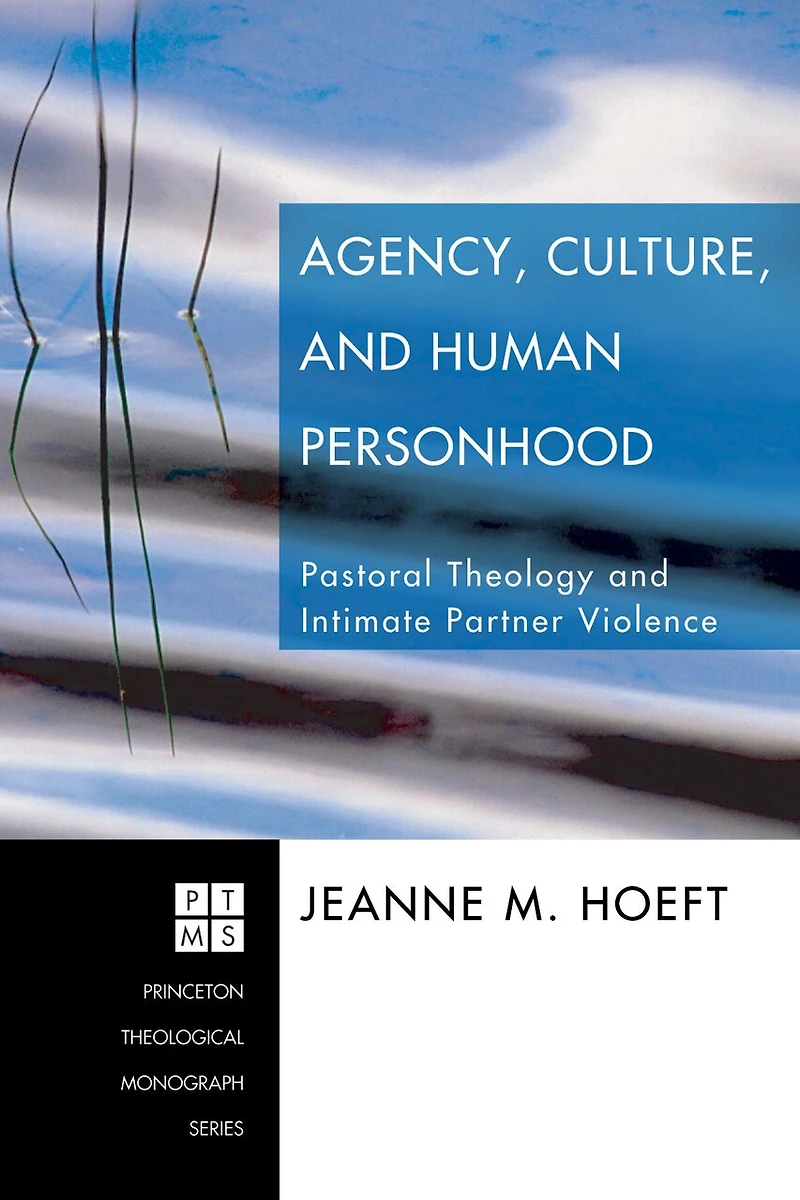
Agency, Culture, and Human Personhood: Pastoral Thelogy Intimate Partner Violence
Current price: $63.00

Agency, Culture, and Human Personhood: Pastoral Thelogy Intimate Partner Violence
Current price: $63.00
Loading Inventory...
Size: Hardcover
*Product information may vary - to confirm product availability, pricing, shipping and return information please contact Indigo
Agency, Culture and Human Personhood" uses feminist theories, process and liberation theologies, psychodynamics and the problem of intimate partner violence to develop a pastoral theology of human agency. The turn to cultural context for understanding what makes human beings who they are and do the things they do, raises significant questions about human agency. To what extent is agency, the human capacity to act, self-determined, and to what extent is it determined by external factors? If we conceive of persons with too little agency we negate the possibility for change but too much agency negates the necessity for resistance movements. Hoeft argues that agency arises ambiguously from and is constituted of culture. She suggests that such a conception of agency enables the church to foster in victims, perpetrators, and congregations more resistance to violence and proposes practices of ministry that can do just that. The book will challenge deeply ingrained notions of personal responsibility and one's capacity to choose change, yet offers concrete proposals for a creating a less violent world.
Agency, Culture and Human Personhood" uses feminist theories, process and liberation theologies, psychodynamics and the problem of intimate partner violence to develop a pastoral theology of human agency. The turn to cultural context for understanding what makes human beings who they are and do the things they do, raises significant questions about human agency. To what extent is agency, the human capacity to act, self-determined, and to what extent is it determined by external factors? If we conceive of persons with too little agency we negate the possibility for change but too much agency negates the necessity for resistance movements. Hoeft argues that agency arises ambiguously from and is constituted of culture. She suggests that such a conception of agency enables the church to foster in victims, perpetrators, and congregations more resistance to violence and proposes practices of ministry that can do just that. The book will challenge deeply ingrained notions of personal responsibility and one's capacity to choose change, yet offers concrete proposals for a creating a less violent world.
You May Also Like









More About Indigo at Erin Mills Town Centre
The largest book retailer in Canada also offers toys, music, home décor, gifts and lifestyle products. What's Inside...Books, Magazines, CD’s and DVD’s, Toys and Gifts, Home Accents, Electronics, Baby’s and Children’s Section, Bath and Body, Kitchen and Bedroom, Stationary Located outside in the exterior plaza.
5015 Glen Erin Dr, Mississauga, ON L5M 0R7, Canada
Find Indigo at Erin Mills Town Centre in Mississauga ON
Visit Indigo at Erin Mills Town Centre in Mississauga ON