

GIVE THE PERFECT GIFT
Erin Mills Town Centre Gift Cards are the perfect choice for your gift giving needs.Purchase gift cards at kiosks near the food court or centre court, at Guest Services, or click below to purchase online.PURCHASE HEREHome
Agents of the Hidden Imam: Forging Twelver Shi‘ism, 850-950 CE
Indigo
Loading Inventory...
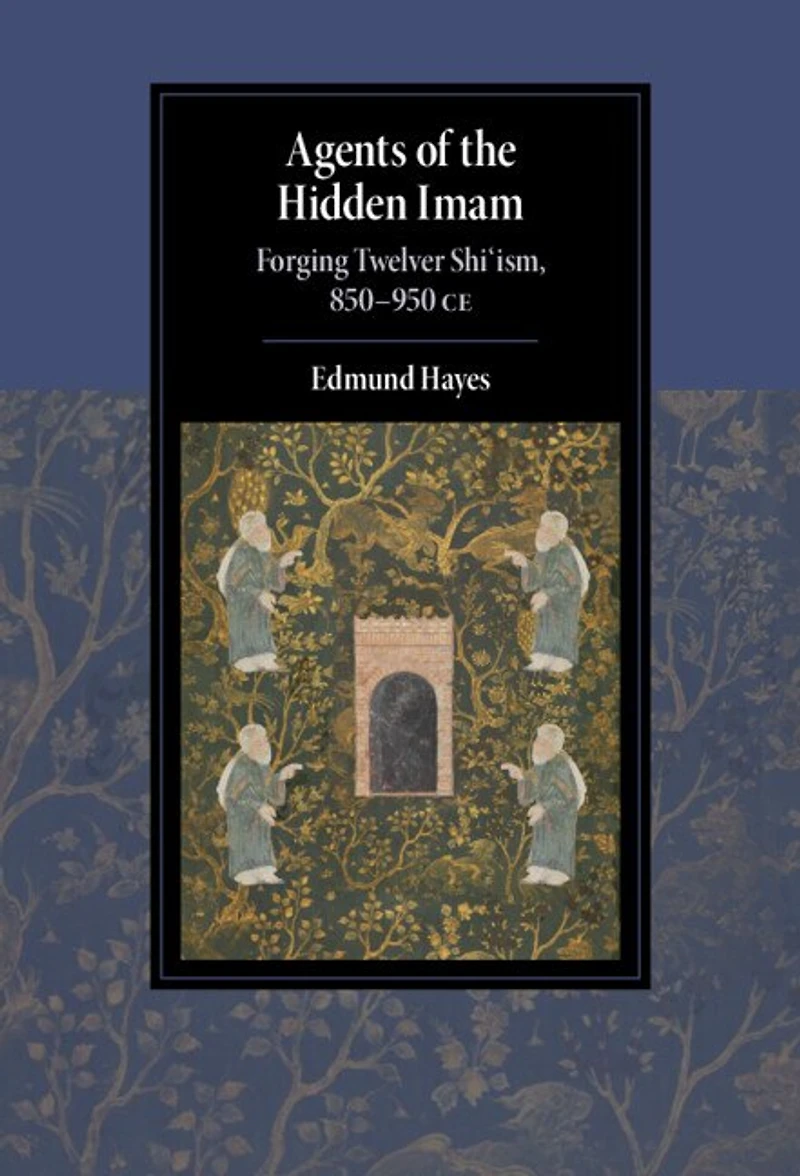
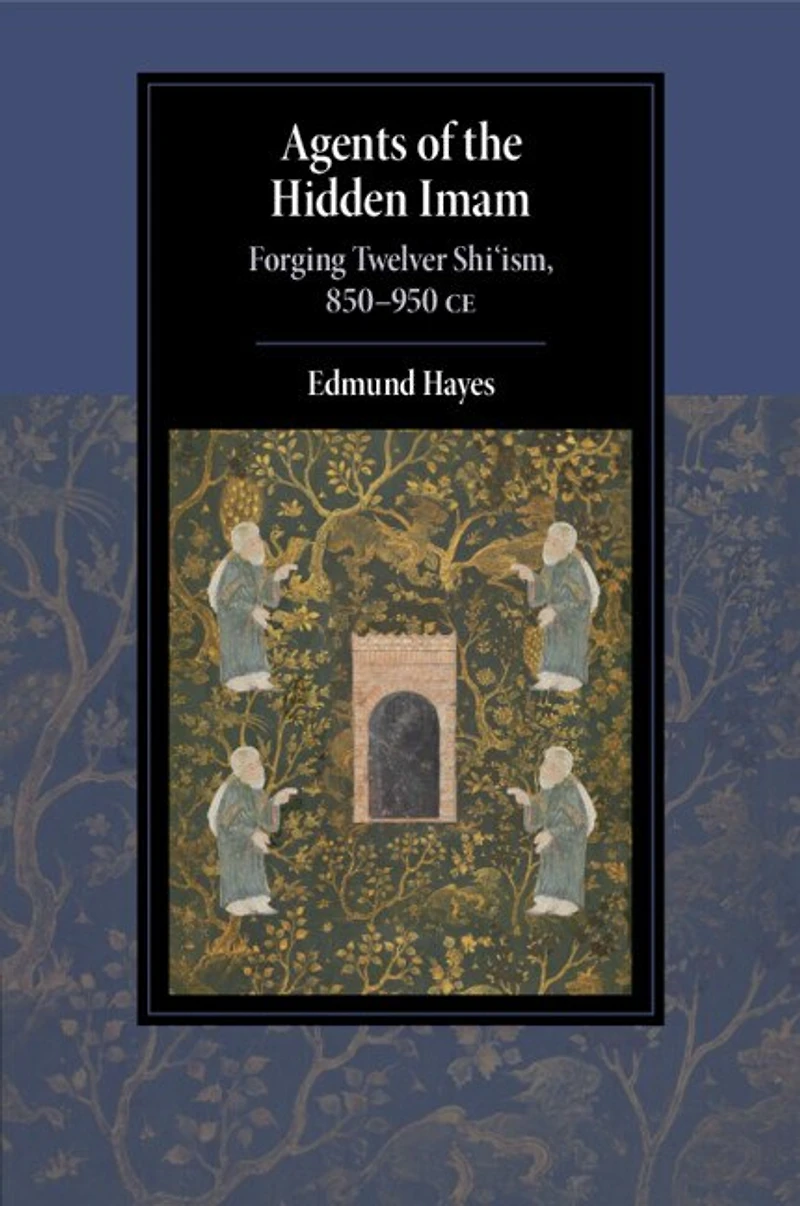
Agents of the Hidden Imam: Forging Twelver Shi‘ism, 850-950 CE
Current price: $127.95

Agents of the Hidden Imam: Forging Twelver Shi‘ism, 850-950 CE
Current price: $127.95
Loading Inventory...
Size: Hardcover
*Product information may vary - to confirm product availability, pricing, shipping and return information please contact Indigo
In 874 CE, the eleventh Imam died, and the Imami community splintered. The institutions of the Imamate were maintained by the dead Imam's agents, who asserted they were in contact with a hidden twelfth Imam. This was the beginning of 'Twelver' Shiʿism. Edmund Hayes provides an innovative approach to exploring early Shiʿism, moving beyond doctrinal history to provide an analysis of the socio-political processes leading to the canonisation of the Occultation of the twelfth Imam. Hayes shows how these agents cemented their authority by reproducing the physical signs of the Imamate, including protocols of succession, letters and the alm taxes. Four of these agents were ultimately canonised as “envoys” but traces of earlier conceptions of authority remain embedded in the earliest reports. Hayes dissects the complex and contradictory Occultation narratives to show how, amidst the claims of numerous actors, the institutional positioning of the envoys allowed them to assert a quasi-Imamic authority in the absence of an Imam.
In 874 CE, the eleventh Imam died, and the Imami community splintered. The institutions of the Imamate were maintained by the dead Imam's agents, who asserted they were in contact with a hidden twelfth Imam. This was the beginning of 'Twelver' Shiʿism. Edmund Hayes provides an innovative approach to exploring early Shiʿism, moving beyond doctrinal history to provide an analysis of the socio-political processes leading to the canonisation of the Occultation of the twelfth Imam. Hayes shows how these agents cemented their authority by reproducing the physical signs of the Imamate, including protocols of succession, letters and the alm taxes. Four of these agents were ultimately canonised as “envoys” but traces of earlier conceptions of authority remain embedded in the earliest reports. Hayes dissects the complex and contradictory Occultation narratives to show how, amidst the claims of numerous actors, the institutional positioning of the envoys allowed them to assert a quasi-Imamic authority in the absence of an Imam.
You May Also Like














More About Indigo at Erin Mills Town Centre
The largest book retailer in Canada also offers toys, music, home décor, gifts and lifestyle products. What's Inside...Books, Magazines, CD’s and DVD’s, Toys and Gifts, Home Accents, Electronics, Baby’s and Children’s Section, Bath and Body, Kitchen and Bedroom, Stationary Located outside in the exterior plaza.
5015 Glen Erin Dr, Mississauga, ON L5M 0R7, Canada
Find Indigo at Erin Mills Town Centre in Mississauga ON
Visit Indigo at Erin Mills Town Centre in Mississauga ON