

GIVE THE PERFECT GIFT
Erin Mills Town Centre Gift Cards are the perfect choice for your gift giving needs.Purchase gift cards at kiosks near the food court or centre court, at Guest Services, or click below to purchase online.PURCHASE HEREHome
Agonistic Transitional Justice and the Pursuit of Post-liberal Peace: Beyond One Single Truth
Indigo
Loading Inventory...
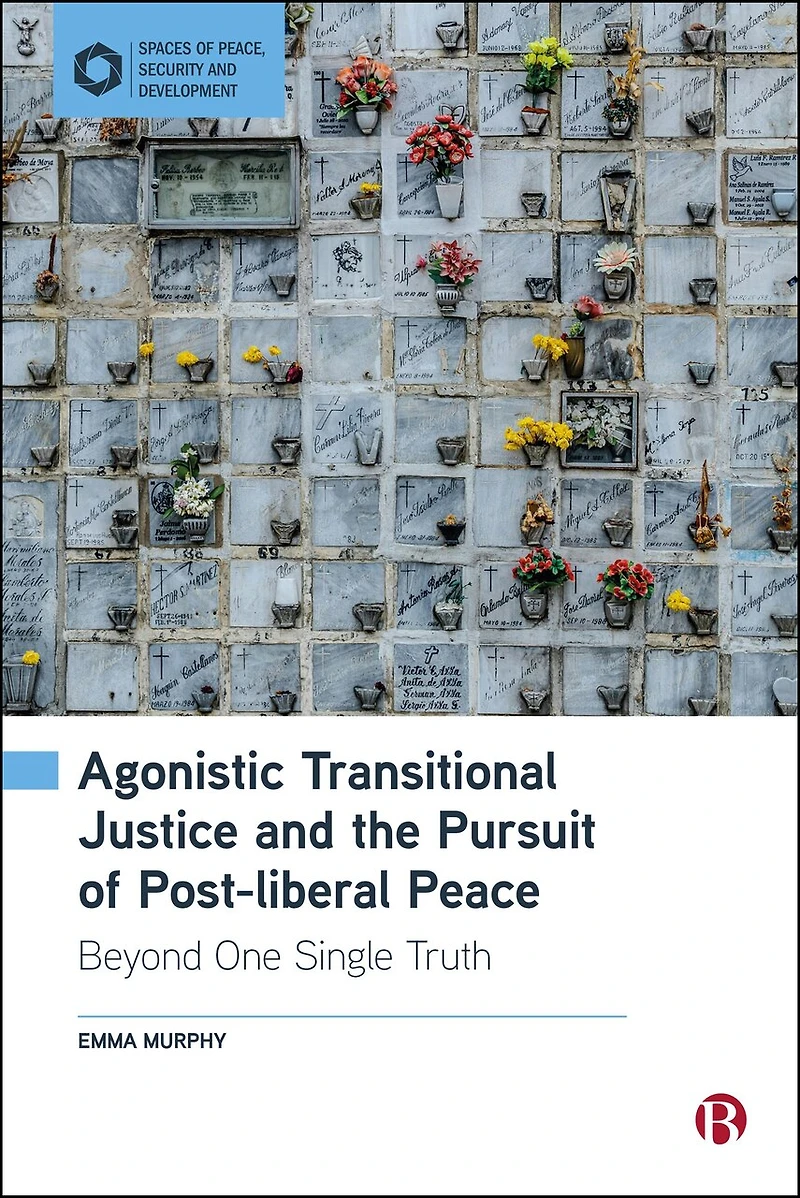
Agonistic Transitional Justice and the Pursuit of Post-liberal Peace: Beyond One Single Truth
Current price: $166.99

Agonistic Transitional Justice and the Pursuit of Post-liberal Peace: Beyond One Single Truth
Current price: $166.99
Loading Inventory...
Size: Paperback
*Product information may vary - to confirm product availability, pricing, shipping and return information please contact Indigo
The liberal approach to transitional justice and peacebuilding has been widely critiqued for its shallow approach to gendered inclusion and inattention to local context, yet has historically remained dominant. This book puts forward an alternative framework: agonistic transitional justice.
Agonism embraces contestation and multiplicity rather than trying to work towards consensus or objectivity. To assess the feasibility of agonistic approaches as an alternative to the liberal model, the book compares three cases reflecting different degrees of institutional adoption: Colombia (high), Northern Ireland (mixed) and Uganda (minimal). Taking gender as an entry point, it examines how agonistic transitional justice addresses identity-based hierarchies, domination and oppression.
Combining theoretical innovation with original empirical research, the book offers insights for scholars and practitioners seeking alternatives to liberal peacebuilding and transitional justice.
The liberal approach to transitional justice and peacebuilding has been widely critiqued for its shallow approach to gendered inclusion and inattention to local context, yet has historically remained dominant. This book puts forward an alternative framework: agonistic transitional justice.
Agonism embraces contestation and multiplicity rather than trying to work towards consensus or objectivity. To assess the feasibility of agonistic approaches as an alternative to the liberal model, the book compares three cases reflecting different degrees of institutional adoption: Colombia (high), Northern Ireland (mixed) and Uganda (minimal). Taking gender as an entry point, it examines how agonistic transitional justice addresses identity-based hierarchies, domination and oppression.
Combining theoretical innovation with original empirical research, the book offers insights for scholars and practitioners seeking alternatives to liberal peacebuilding and transitional justice.
You May Also Like










More About Indigo at Erin Mills Town Centre
The largest book retailer in Canada also offers toys, music, home décor, gifts and lifestyle products. What's Inside...Books, Magazines, CD’s and DVD’s, Toys and Gifts, Home Accents, Electronics, Baby’s and Children’s Section, Bath and Body, Kitchen and Bedroom, Stationary Located outside in the exterior plaza.
5015 Glen Erin Dr, Mississauga, ON L5M 0R7, Canada
Find Indigo at Erin Mills Town Centre in Mississauga ON
Visit Indigo at Erin Mills Town Centre in Mississauga ON