

GIVE THE PERFECT GIFT
Erin Mills Town Centre Gift Cards are the perfect choice for your gift giving needs.Purchase gift cards at kiosks near the food court or centre court, at Guest Services, or click below to purchase online.PURCHASE HEREHome
Agrarianism as Modernity 20th-Century Europe: the Golden Age of Peasantry
Indigo
Loading Inventory...
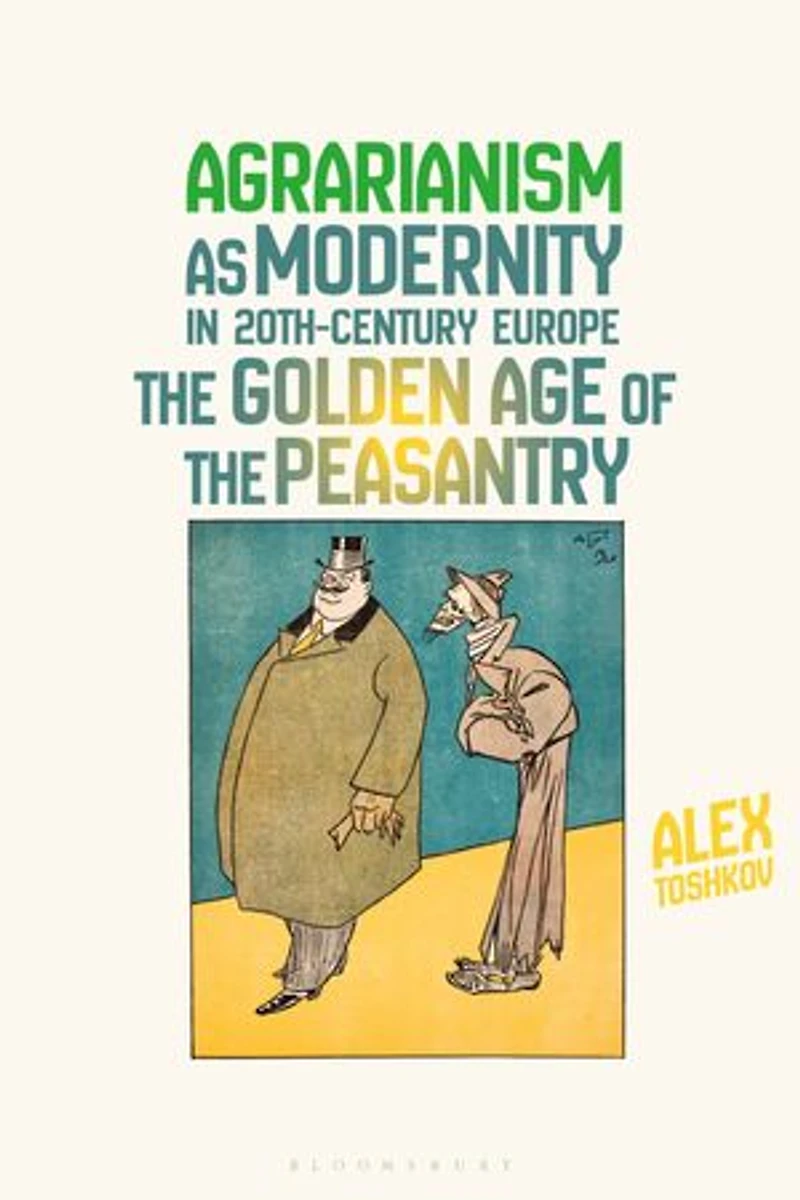
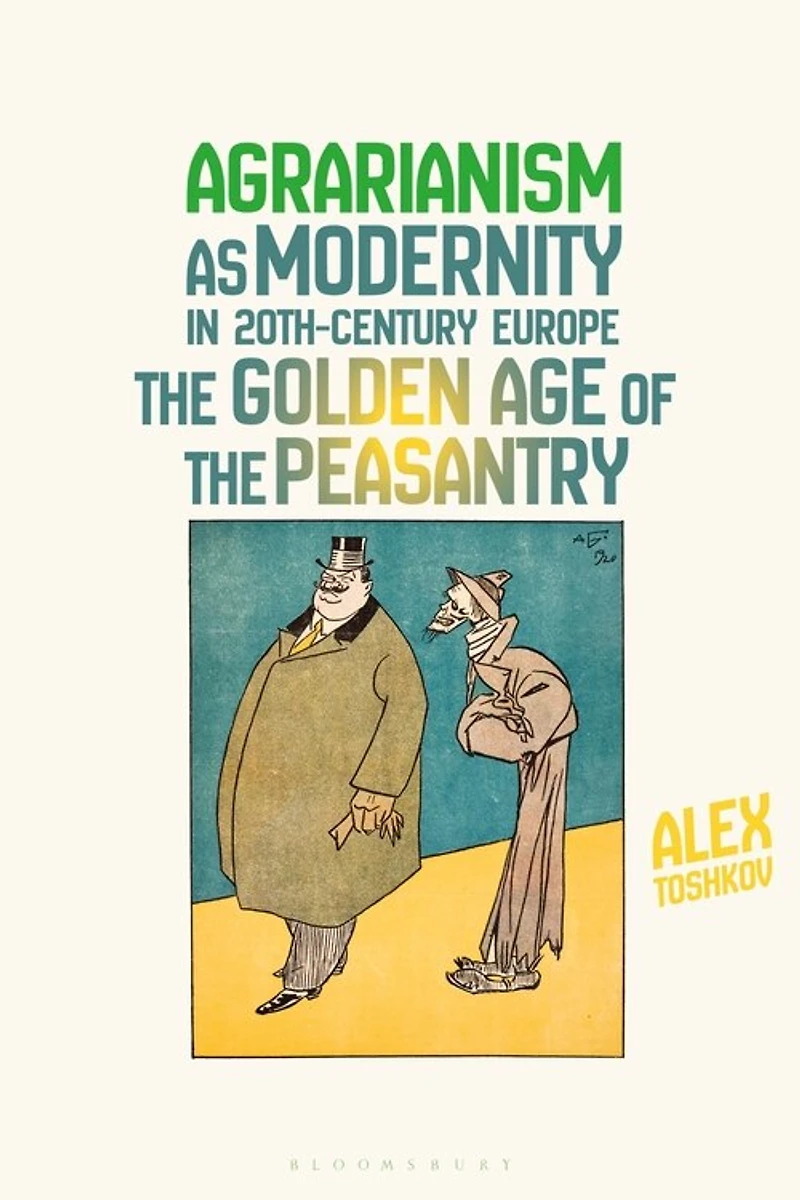
Agrarianism as Modernity 20th-Century Europe: the Golden Age of Peasantry
Current price: $47.49
Original price: $59.35

Agrarianism as Modernity 20th-Century Europe: the Golden Age of Peasantry
Current price: $47.49
Original price: $59.35
Loading Inventory...
Size: Kobo eBook
*Product information may vary - to confirm product availability, pricing, shipping and return information please contact Indigo
Whilst Soviet communism and its relationship with modernity has been widely studied to date, the agrarian experiment in Eastern Europe has been relegated to the margins of historical analysis. In this comparative study, Alex Toshkov uncovers the history of agrarianism after the First World War and explores its place as an alternative modernity to liberal democracy and capitalism. Drawing on a wealth of archival material, this book explores the transnational connections between the paradigmatic cases of Bulgaria, Yugoslavia and Czechoslovakia, as well as the International Agrarian Bureau in Prague, teasing out contradictions, hidden records and silenced interpretations of agrarianism. In addition, it uses a microhistorical approach to present an innovative theoretical framework which adds to our understanding of nationalism, political corruption, and alterity and the subaltern. This fascinating study restores interwar agrarianism to its rightful place as one of the most original and significant political currents in 20th-century Europe.
Whilst Soviet communism and its relationship with modernity has been widely studied to date, the agrarian experiment in Eastern Europe has been relegated to the margins of historical analysis. In this comparative study, Alex Toshkov uncovers the history of agrarianism after the First World War and explores its place as an alternative modernity to liberal democracy and capitalism. Drawing on a wealth of archival material, this book explores the transnational connections between the paradigmatic cases of Bulgaria, Yugoslavia and Czechoslovakia, as well as the International Agrarian Bureau in Prague, teasing out contradictions, hidden records and silenced interpretations of agrarianism. In addition, it uses a microhistorical approach to present an innovative theoretical framework which adds to our understanding of nationalism, political corruption, and alterity and the subaltern. This fascinating study restores interwar agrarianism to its rightful place as one of the most original and significant political currents in 20th-century Europe.
You May Also Like








More About Indigo at Erin Mills Town Centre
The largest book retailer in Canada also offers toys, music, home décor, gifts and lifestyle products. What's Inside...Books, Magazines, CD’s and DVD’s, Toys and Gifts, Home Accents, Electronics, Baby’s and Children’s Section, Bath and Body, Kitchen and Bedroom, Stationary Located outside in the exterior plaza.
5015 Glen Erin Dr, Mississauga, ON L5M 0R7, Canada
Find Indigo at Erin Mills Town Centre in Mississauga ON
Visit Indigo at Erin Mills Town Centre in Mississauga ON