

GIVE THE PERFECT GIFT
Erin Mills Town Centre Gift Cards are the perfect choice for your gift giving needs.Purchase gift cards at kiosks near the food court or centre court, at Guest Services, or click below to purchase online.PURCHASE HEREHome
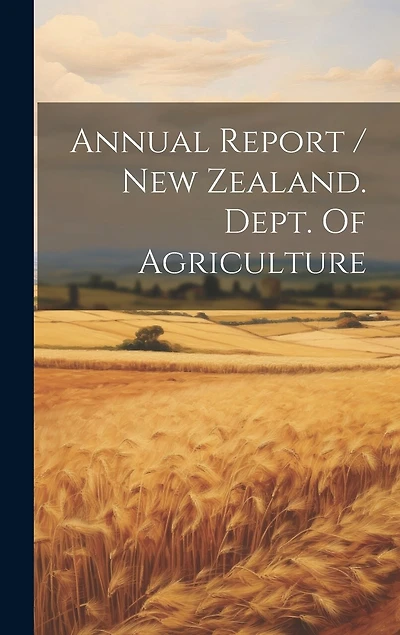
Agricultural Economics and Food Policy New Zealand: An Uneasy but Successful Collaboration Between Government Farmers
Indigo
Loading Inventory...
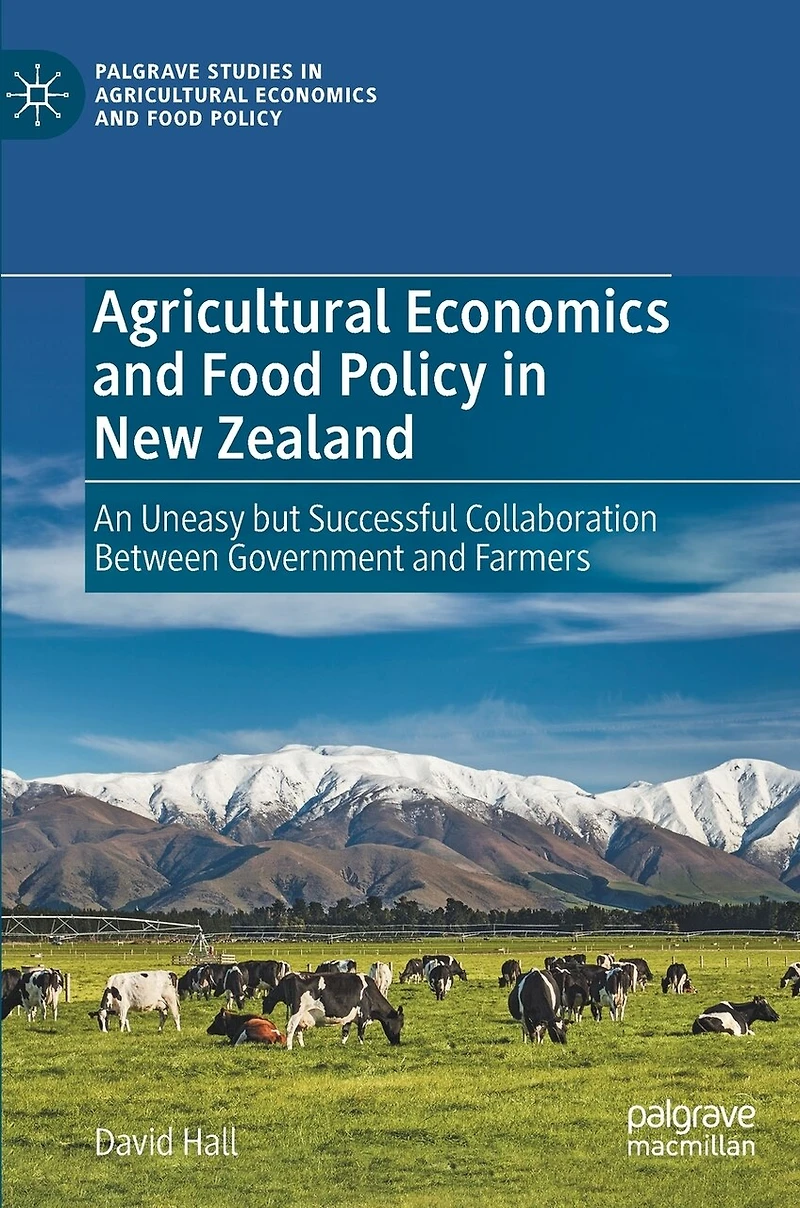
Agricultural Economics and Food Policy New Zealand: An Uneasy but Successful Collaboration Between Government Farmers
Current price: $248.50

Agricultural Economics and Food Policy New Zealand: An Uneasy but Successful Collaboration Between Government Farmers
Current price: $248.50
Loading Inventory...
Size: Hardcover
*Product information may vary - to confirm product availability, pricing, shipping and return information please contact Indigo
The book analyses agricultural economics and food policy in New Zealand, where farming produce has been by far the main export commodity. Farming exports' importance, together with the need to diversify exports away from a former colonial relationship with the UK, makes liberalising agricultural trade a major concern for New Zealand. Farmers, themselves, have influenced, significantly, policy development and implementation through their organisation, Federated Farmers. After World War II farmers at first encouraged Government financial support for farming and by the 1980s farming was highly subsidised. Farmers recognised in the 1980s that New Zealand's economic problems demanded reduced Government intervention and accepted ending farming subsidies. New Zealand then encouraged, globally, 'farming without subsidies'. New Zealand projected an image of environmental cleanliness and greenness in support of its exporting but into the 21 st century wrestled to maintain thatimage because farming impacted on water quality and climate change emissions.
The book analyses agricultural economics and food policy in New Zealand, where farming produce has been by far the main export commodity. Farming exports' importance, together with the need to diversify exports away from a former colonial relationship with the UK, makes liberalising agricultural trade a major concern for New Zealand. Farmers, themselves, have influenced, significantly, policy development and implementation through their organisation, Federated Farmers. After World War II farmers at first encouraged Government financial support for farming and by the 1980s farming was highly subsidised. Farmers recognised in the 1980s that New Zealand's economic problems demanded reduced Government intervention and accepted ending farming subsidies. New Zealand then encouraged, globally, 'farming without subsidies'. New Zealand projected an image of environmental cleanliness and greenness in support of its exporting but into the 21 st century wrestled to maintain thatimage because farming impacted on water quality and climate change emissions.
You May Also Like










More About Indigo at Erin Mills Town Centre
The largest book retailer in Canada also offers toys, music, home décor, gifts and lifestyle products. What's Inside...Books, Magazines, CD’s and DVD’s, Toys and Gifts, Home Accents, Electronics, Baby’s and Children’s Section, Bath and Body, Kitchen and Bedroom, Stationary Located outside in the exterior plaza.
5015 Glen Erin Dr, Mississauga, ON L5M 0R7, Canada
Find Indigo at Erin Mills Town Centre in Mississauga ON
Visit Indigo at Erin Mills Town Centre in Mississauga ON