

GIVE THE PERFECT GIFT
Erin Mills Town Centre Gift Cards are the perfect choice for your gift giving needs.Purchase gift cards at kiosks near the food court or centre court, at Guest Services, or click below to purchase online.PURCHASE HEREHome
Agricultural Standards: the Shape of Global Food and Fiber System
Indigo
Loading Inventory...
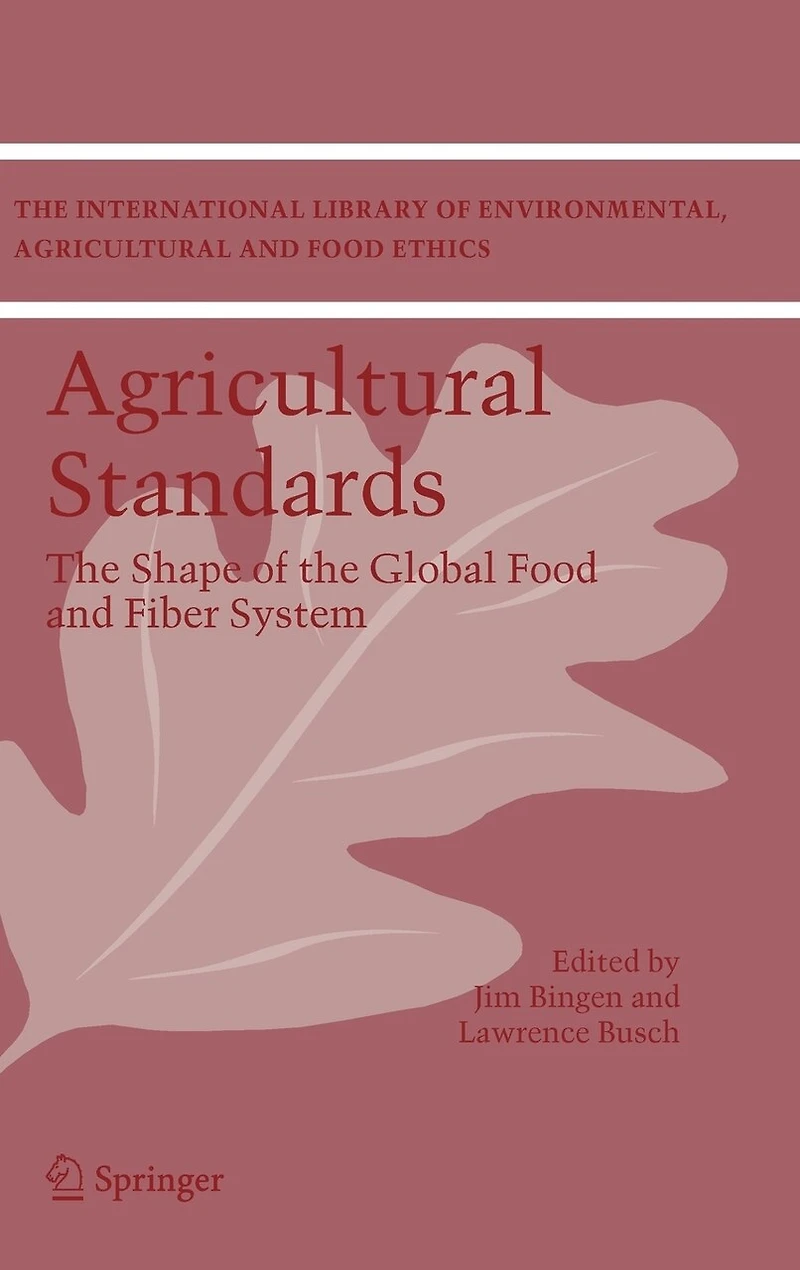
Agricultural Standards: the Shape of Global Food and Fiber System
Current price: $160.95

Agricultural Standards: the Shape of Global Food and Fiber System
Current price: $160.95
Loading Inventory...
Size: Hardcover
*Product information may vary - to confirm product availability, pricing, shipping and return information please contact Indigo
Food and agricultural standards have recently risen to the top of both national and international agendas. Popular concerns about the power of the World Trade Organization focus on the intertwined relationships between environmental protection, labor and human rights, and the standards used to produce and supply our food and fiber globally. In the developing world, agricultural grades and standards are an important part of the reconfiguration of roles and responsibilities between various public and private actors in market reform. This original and informative collection of studies of agri-food standards in the modern economy addresses these and helps to define the scope of the emerging study of the politics of standards setting. Following an overview essay dealing with the multiple ways of thinking about, approaching and defining food and agricultural standards, eleven case studies offer a rich body of evidence that assesses the processes, dynamics and potential consequences of global agri-food standards. For all interested in the strategic use of food and agricultural standards - from those in national and international governmental agencies, researchers and others in the academic and private sector to those in the private business sector - this volume offers a broader perspective on and will serve as an important resource.
Food and agricultural standards have recently risen to the top of both national and international agendas. Popular concerns about the power of the World Trade Organization focus on the intertwined relationships between environmental protection, labor and human rights, and the standards used to produce and supply our food and fiber globally. In the developing world, agricultural grades and standards are an important part of the reconfiguration of roles and responsibilities between various public and private actors in market reform. This original and informative collection of studies of agri-food standards in the modern economy addresses these and helps to define the scope of the emerging study of the politics of standards setting. Following an overview essay dealing with the multiple ways of thinking about, approaching and defining food and agricultural standards, eleven case studies offer a rich body of evidence that assesses the processes, dynamics and potential consequences of global agri-food standards. For all interested in the strategic use of food and agricultural standards - from those in national and international governmental agencies, researchers and others in the academic and private sector to those in the private business sector - this volume offers a broader perspective on and will serve as an important resource.
You May Also Like










More About Indigo at Erin Mills Town Centre
The largest book retailer in Canada also offers toys, music, home décor, gifts and lifestyle products. What's Inside...Books, Magazines, CD’s and DVD’s, Toys and Gifts, Home Accents, Electronics, Baby’s and Children’s Section, Bath and Body, Kitchen and Bedroom, Stationary Located outside in the exterior plaza.
5015 Glen Erin Dr, Mississauga, ON L5M 0R7, Canada
Find Indigo at Erin Mills Town Centre in Mississauga ON
Visit Indigo at Erin Mills Town Centre in Mississauga ON