

GIVE THE PERFECT GIFT
Erin Mills Town Centre Gift Cards are the perfect choice for your gift giving needs.Purchase gift cards at kiosks near the food court or centre court, at Guest Services, or click below to purchase online.PURCHASE HEREHome
Agriculture and Korean Economic History: Concise Farming Talk (Nongsa chiksCl)
Indigo
Loading Inventory...
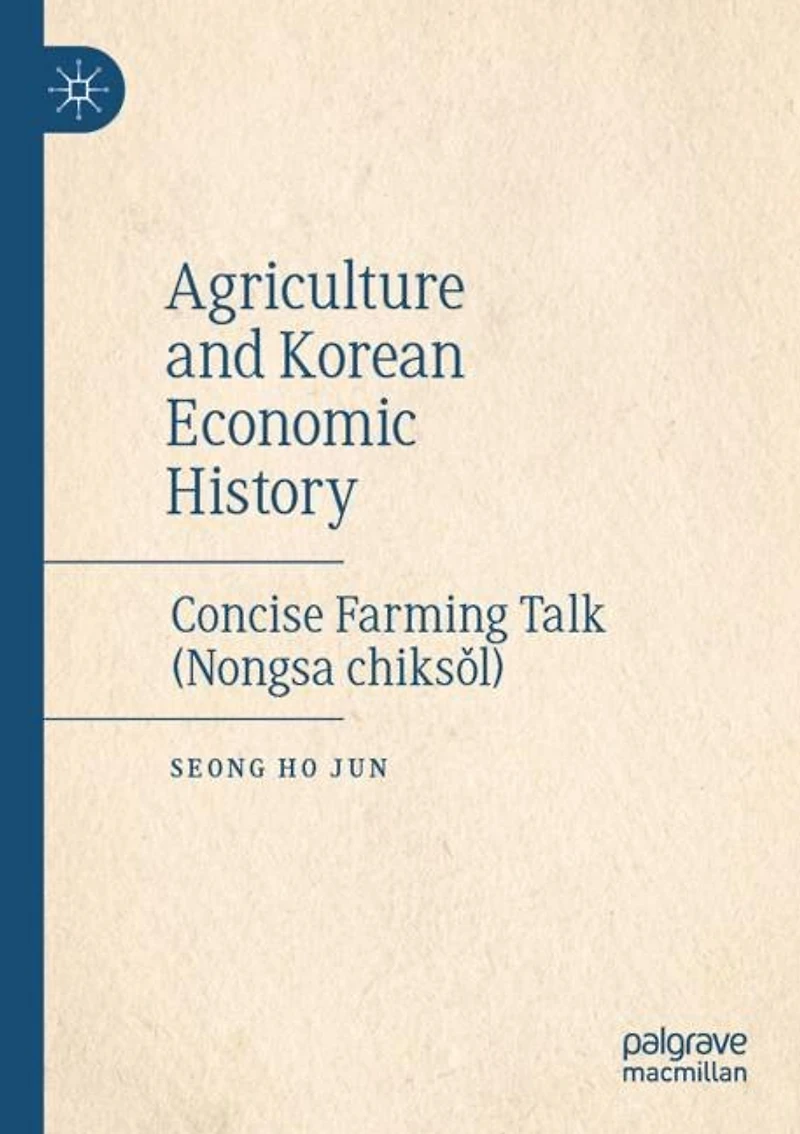
Agriculture and Korean Economic History: Concise Farming Talk (Nongsa chiksCl)
Current price: $189.95

Agriculture and Korean Economic History: Concise Farming Talk (Nongsa chiksCl)
Current price: $189.95
Loading Inventory...
Size: Paperback
*Product information may vary - to confirm product availability, pricing, shipping and return information please contact Indigo
This book is an economic history of the ChosÅn dynasty (1392-1910). The ChosÅn dynasty is not only known for managing the northeastern regions of Asia for 500 years as the exemplars of Confucianism, their kingdom was also one of the greatest so-called "agricultural states under Heaven." The ChosÅn dynasty has been briefly explored academically by Western scholars, but their findings have some limitations. The period of 1400-1600, in particular, has been too poorly reported on in the English language to gain the attention of the Western knowledge society. This book aims to fill the gaps in the existing research and will be of interest to economists, scholars of Korean history, agriculturists, and ecologists.
This book is an economic history of the ChosÅn dynasty (1392-1910). The ChosÅn dynasty is not only known for managing the northeastern regions of Asia for 500 years as the exemplars of Confucianism, their kingdom was also one of the greatest so-called "agricultural states under Heaven." The ChosÅn dynasty has been briefly explored academically by Western scholars, but their findings have some limitations. The period of 1400-1600, in particular, has been too poorly reported on in the English language to gain the attention of the Western knowledge society. This book aims to fill the gaps in the existing research and will be of interest to economists, scholars of Korean history, agriculturists, and ecologists.
You May Also Like








More About Indigo at Erin Mills Town Centre
The largest book retailer in Canada also offers toys, music, home décor, gifts and lifestyle products. What's Inside...Books, Magazines, CD’s and DVD’s, Toys and Gifts, Home Accents, Electronics, Baby’s and Children’s Section, Bath and Body, Kitchen and Bedroom, Stationary Located outside in the exterior plaza.
5015 Glen Erin Dr, Mississauga, ON L5M 0R7, Canada
Find Indigo at Erin Mills Town Centre in Mississauga ON
Visit Indigo at Erin Mills Town Centre in Mississauga ON