

GIVE THE PERFECT GIFT
Erin Mills Town Centre Gift Cards are the perfect choice for your gift giving needs.Purchase gift cards at kiosks near the food court or centre court, at Guest Services, or click below to purchase online.PURCHASE HEREHome
Agropastoralism and Languages Across Eurasia: Expansion, exchange, environment
Indigo
Loading Inventory...
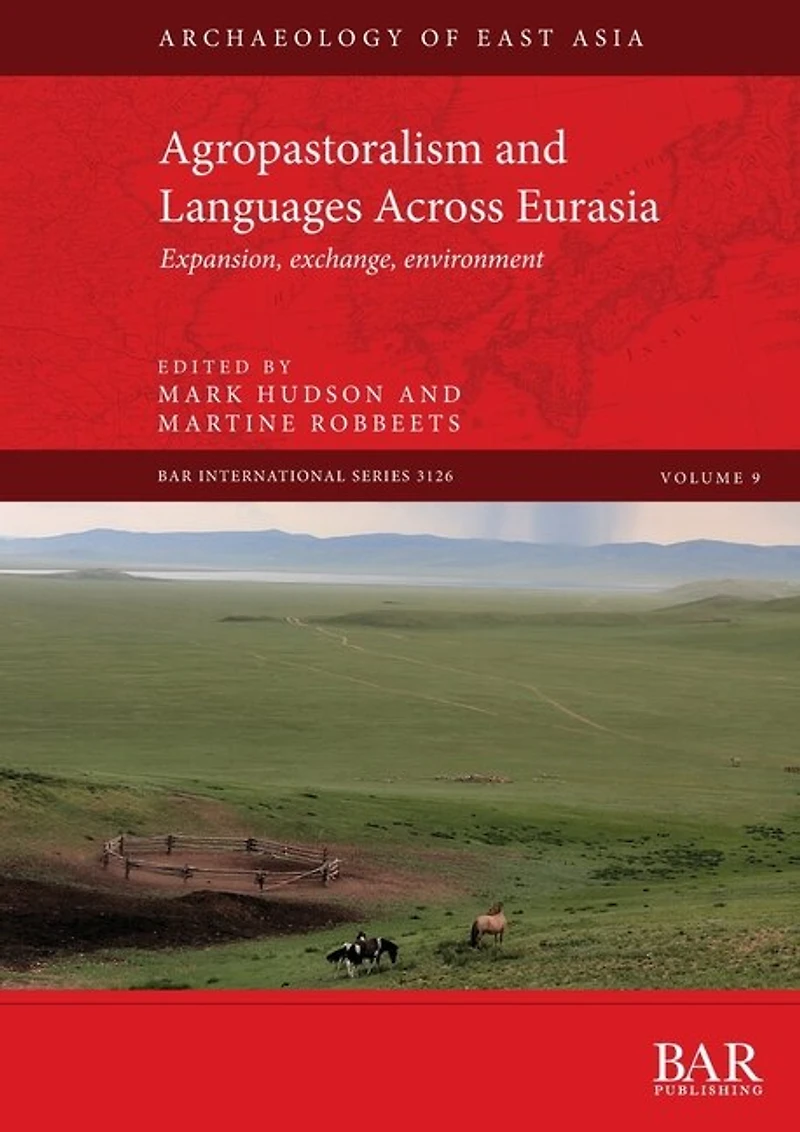
Agropastoralism and Languages Across Eurasia: Expansion, exchange, environment
Current price: $70.50

Agropastoralism and Languages Across Eurasia: Expansion, exchange, environment
Current price: $70.50
Loading Inventory...
Size: Paperback
*Product information may vary - to confirm product availability, pricing, shipping and return information please contact Indigo
The essays in this volume explore questions relating to human dispersals and exchange across the varied environments of Eurasia. Part One focuses on the Neolithic and how agriculture led to new adaptive niches for human societies. This process involved population and linguistic expansion, but could also be expressed through exploitation of the environment in new ways. In Part Two, the emphasis shifts to exchange between east and west across Eurasia in the Bronze Age and Middle Ages. Chapters in the book discuss topics as varied as Jōmon plant cultivation, linguistic borrowings by agropastoral groups, the spread of gold and silverwares across the steppes, and customs related to feasting in medieval northern China. The volume will be of interest to archaeologists and historical linguists alike, particularly those working on long-term social change across Eurasia.
The essays in this volume explore questions relating to human dispersals and exchange across the varied environments of Eurasia. Part One focuses on the Neolithic and how agriculture led to new adaptive niches for human societies. This process involved population and linguistic expansion, but could also be expressed through exploitation of the environment in new ways. In Part Two, the emphasis shifts to exchange between east and west across Eurasia in the Bronze Age and Middle Ages. Chapters in the book discuss topics as varied as Jōmon plant cultivation, linguistic borrowings by agropastoral groups, the spread of gold and silverwares across the steppes, and customs related to feasting in medieval northern China. The volume will be of interest to archaeologists and historical linguists alike, particularly those working on long-term social change across Eurasia.
You May Also Like







More About Indigo at Erin Mills Town Centre
The largest book retailer in Canada also offers toys, music, home décor, gifts and lifestyle products. What's Inside...Books, Magazines, CD’s and DVD’s, Toys and Gifts, Home Accents, Electronics, Baby’s and Children’s Section, Bath and Body, Kitchen and Bedroom, Stationary Located outside in the exterior plaza.
5015 Glen Erin Dr, Mississauga, ON L5M 0R7, Canada
Find Indigo at Erin Mills Town Centre in Mississauga ON
Visit Indigo at Erin Mills Town Centre in Mississauga ON