

GIVE THE PERFECT GIFT
Erin Mills Town Centre Gift Cards are the perfect choice for your gift giving needs.Purchase gift cards at kiosks near the food court or centre court, at Guest Services, or click below to purchase online.PURCHASE HEREHome
Alaska's Place in the West: From the Last Frontier to the Last Great Wilderness
Indigo
Loading Inventory...
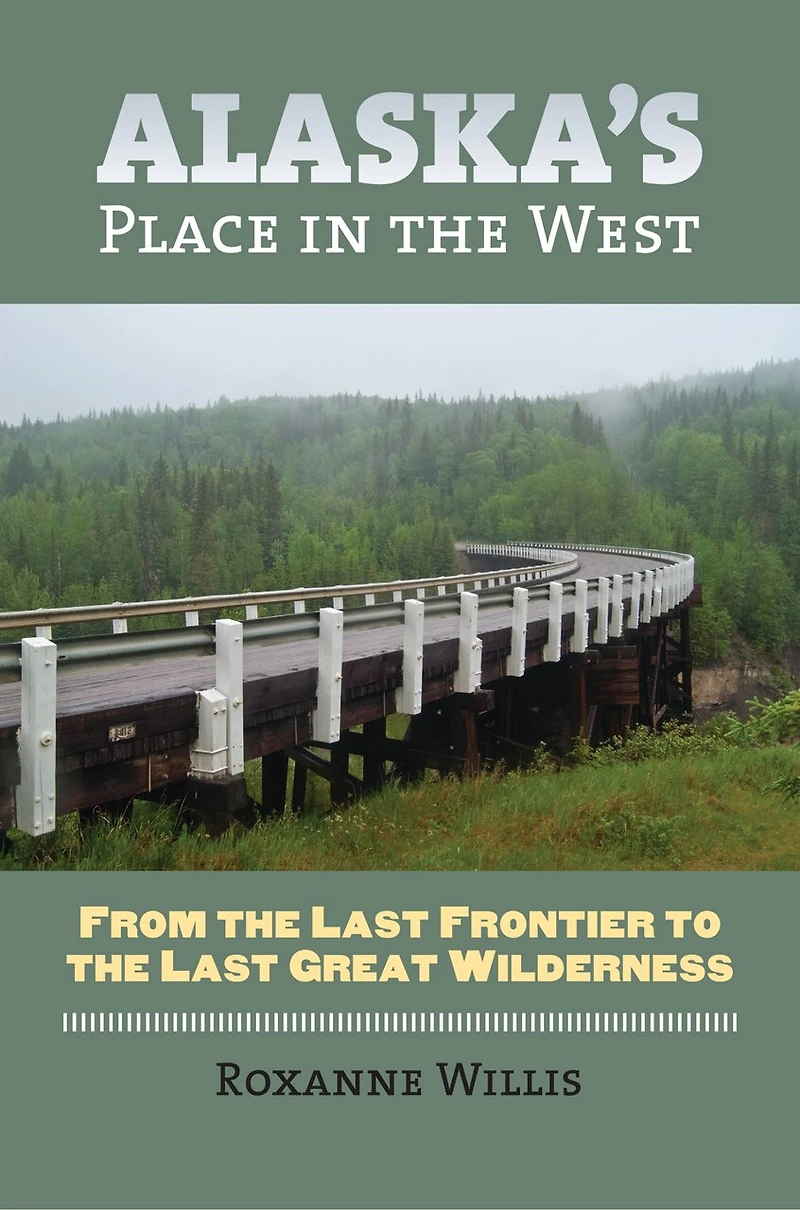
Alaska's Place in the West: From the Last Frontier to the Last Great Wilderness
Current price: $74.95

Alaska's Place in the West: From the Last Frontier to the Last Great Wilderness
Current price: $74.95
Loading Inventory...
Size: Hardcover
*Product information may vary - to confirm product availability, pricing, shipping and return information please contact Indigo
From Sarah Palin's surprising rise to political stardom to recurring environmental battles over oil drilling in the arctic and public work projects like the Bridge to Nowhere, the remote state of Alaska continues to occupy center stage in the national spotlight. Yet for most Americans the history of this sparsely populated region remains a vast unknown. Roxanne Willis takes readers behind common and simplistic representations of the state to explore the rich history and extreme diversity of a land that cannot easily be pigeonholed into typical American conceptions about place
Alaska's story is usually confined to regional history books, and in many American history texts, the state simply disappears after the Klondike gold rush. Willis's book marks the first comprehensive examination of Alaskan development schemes from 1890 to the present, connecting these plans to the changing priorities of American culture and politics. She examines competing definitions of Alaska—from a "Last Frontier" meant to be exploited to a "Last Wilderness" to be protected at all costs—and explains how the contemporary Alaskan landscape is a result of this ongoing struggle to define this mythic state's place in the American West.
Willis focuses on five historic battles between environmentalists and developers: the Alaska Native reindeer herding industry, the New Deal homesteader program in the Matanuska Colony, the construction of the Alaska Highway, the political dispute over the Rampart Dam, and the ongoing struggles over the Trans-Alaska Pipeline. She presents these case histories in clear language that will engage general readers while using new historical analysis that will appeal to scholars of environmental history and the American West. The result is an effective introduction to the historical origins of current political conflicts in Alaska.
Transcending the typical regional histories of the state, Willis's study shows how Alaska development schemes have affected the history of American development more broadly, with conclusions that will be useful to anyone interested in environment and development issues in America or the circumpolar North—including a consideration of Alaska as the new frontier in global climate change. By showing why Alaska continues to resonate in the American imagination, Willis's book situates the forty-ninth state within the environmental movement, within the definition of the American West, and within American culture as a whole.
From Sarah Palin's surprising rise to political stardom to recurring environmental battles over oil drilling in the arctic and public work projects like the Bridge to Nowhere, the remote state of Alaska continues to occupy center stage in the national spotlight. Yet for most Americans the history of this sparsely populated region remains a vast unknown. Roxanne Willis takes readers behind common and simplistic representations of the state to explore the rich history and extreme diversity of a land that cannot easily be pigeonholed into typical American conceptions about place
Alaska's story is usually confined to regional history books, and in many American history texts, the state simply disappears after the Klondike gold rush. Willis's book marks the first comprehensive examination of Alaskan development schemes from 1890 to the present, connecting these plans to the changing priorities of American culture and politics. She examines competing definitions of Alaska—from a "Last Frontier" meant to be exploited to a "Last Wilderness" to be protected at all costs—and explains how the contemporary Alaskan landscape is a result of this ongoing struggle to define this mythic state's place in the American West.
Willis focuses on five historic battles between environmentalists and developers: the Alaska Native reindeer herding industry, the New Deal homesteader program in the Matanuska Colony, the construction of the Alaska Highway, the political dispute over the Rampart Dam, and the ongoing struggles over the Trans-Alaska Pipeline. She presents these case histories in clear language that will engage general readers while using new historical analysis that will appeal to scholars of environmental history and the American West. The result is an effective introduction to the historical origins of current political conflicts in Alaska.
Transcending the typical regional histories of the state, Willis's study shows how Alaska development schemes have affected the history of American development more broadly, with conclusions that will be useful to anyone interested in environment and development issues in America or the circumpolar North—including a consideration of Alaska as the new frontier in global climate change. By showing why Alaska continues to resonate in the American imagination, Willis's book situates the forty-ninth state within the environmental movement, within the definition of the American West, and within American culture as a whole.
You May Also Like











More About Indigo at Erin Mills Town Centre
The largest book retailer in Canada also offers toys, music, home décor, gifts and lifestyle products. What's Inside...Books, Magazines, CD’s and DVD’s, Toys and Gifts, Home Accents, Electronics, Baby’s and Children’s Section, Bath and Body, Kitchen and Bedroom, Stationary Located outside in the exterior plaza.
5015 Glen Erin Dr, Mississauga, ON L5M 0R7, Canada
Find Indigo at Erin Mills Town Centre in Mississauga ON
Visit Indigo at Erin Mills Town Centre in Mississauga ON