

GIVE THE PERFECT GIFT
Erin Mills Town Centre Gift Cards are the perfect choice for your gift giving needs.Purchase gift cards at kiosks near the food court or centre court, at Guest Services, or click below to purchase online.PURCHASE HEREHome
Alberto Rembao (1895-1962)
Indigo
Loading Inventory...
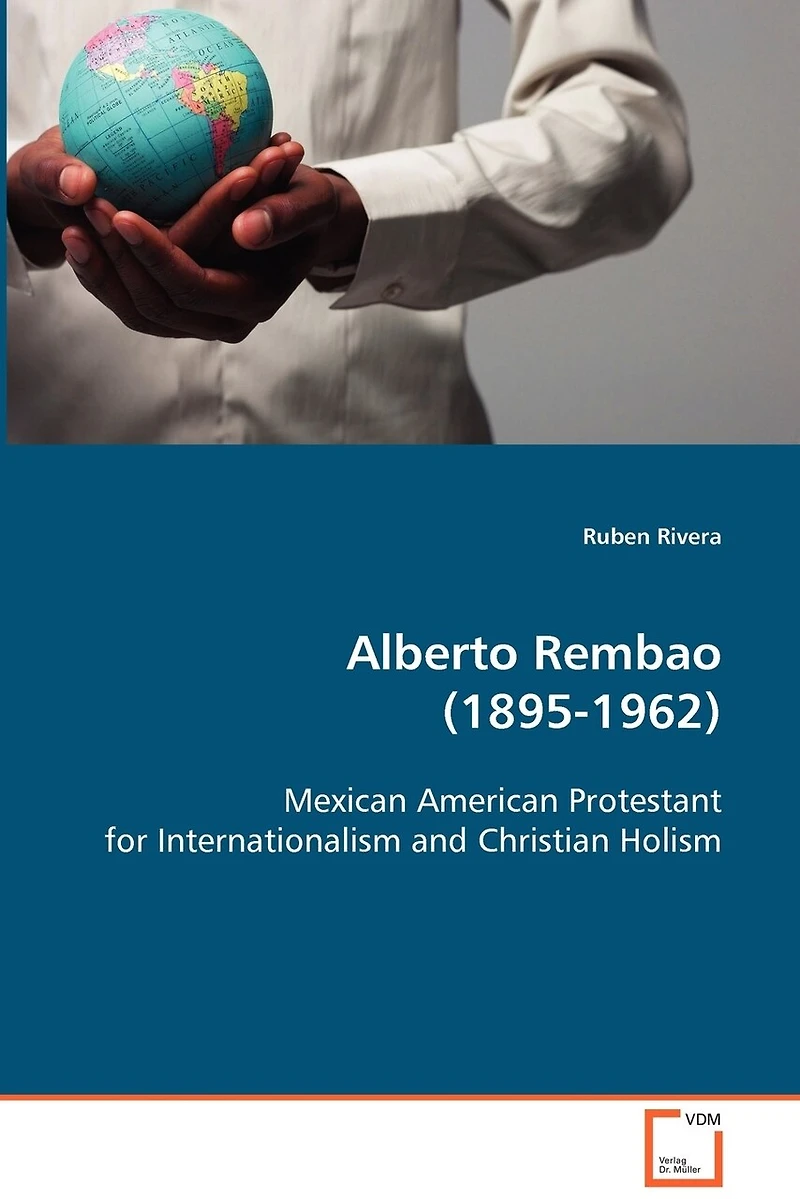
Alberto Rembao (1895-1962)
Current price: $110.95

Alberto Rembao (1895-1962)
Current price: $110.95
Loading Inventory...
Size: Paperback
*Product information may vary - to confirm product availability, pricing, shipping and return information please contact Indigo
In 1913 Protestant missionaries working in Mexico brought a severely wounded revolutionary soldier to the United States where doctors saved his life, but had to amputate one leg. The solider was young Alberto Rembao. He went on to become one of the key architects in the development of a socially conscious Latino Protestantism in the generation preceding liberation theology. Some writers accuse Rembao and his generation, the so-called "liberal phase" of Latin American Protestantism, of acquiescing to white American missionaries and focusing on reaching Latin America's elite with liberal bourgeois values and a utopian social gospel. This book shows that Rembao was a more complex figure. Previously unexplored but critical for understanding Rembao are the ideals of internationalism and renewed social concern that arose after World War I and became central to mainline Protestant missions and other organizations with which he worked. These ideals led Rembao to promote holistic aspects of Christianity toward a better world of peace, fraternity and justice. In the process he challenged undemocratic politics, racist U.S. immigration policies, paternalistic mission practices and more.
In 1913 Protestant missionaries working in Mexico brought a severely wounded revolutionary soldier to the United States where doctors saved his life, but had to amputate one leg. The solider was young Alberto Rembao. He went on to become one of the key architects in the development of a socially conscious Latino Protestantism in the generation preceding liberation theology. Some writers accuse Rembao and his generation, the so-called "liberal phase" of Latin American Protestantism, of acquiescing to white American missionaries and focusing on reaching Latin America's elite with liberal bourgeois values and a utopian social gospel. This book shows that Rembao was a more complex figure. Previously unexplored but critical for understanding Rembao are the ideals of internationalism and renewed social concern that arose after World War I and became central to mainline Protestant missions and other organizations with which he worked. These ideals led Rembao to promote holistic aspects of Christianity toward a better world of peace, fraternity and justice. In the process he challenged undemocratic politics, racist U.S. immigration policies, paternalistic mission practices and more.
You May Also Like













More About Indigo at Erin Mills Town Centre
The largest book retailer in Canada also offers toys, music, home décor, gifts and lifestyle products. What's Inside...Books, Magazines, CD’s and DVD’s, Toys and Gifts, Home Accents, Electronics, Baby’s and Children’s Section, Bath and Body, Kitchen and Bedroom, Stationary Located outside in the exterior plaza.
5015 Glen Erin Dr, Mississauga, ON L5M 0R7, Canada
Find Indigo at Erin Mills Town Centre in Mississauga ON
Visit Indigo at Erin Mills Town Centre in Mississauga ON