

GIVE THE PERFECT GIFT
Erin Mills Town Centre Gift Cards are the perfect choice for your gift giving needs.Purchase gift cards at kiosks near the food court or centre court, at Guest Services, or click below to purchase online.PURCHASE HEREHome
Alcohol Exposure Effects In Placental Hypoxia And Fetal Development
Indigo
Loading Inventory...
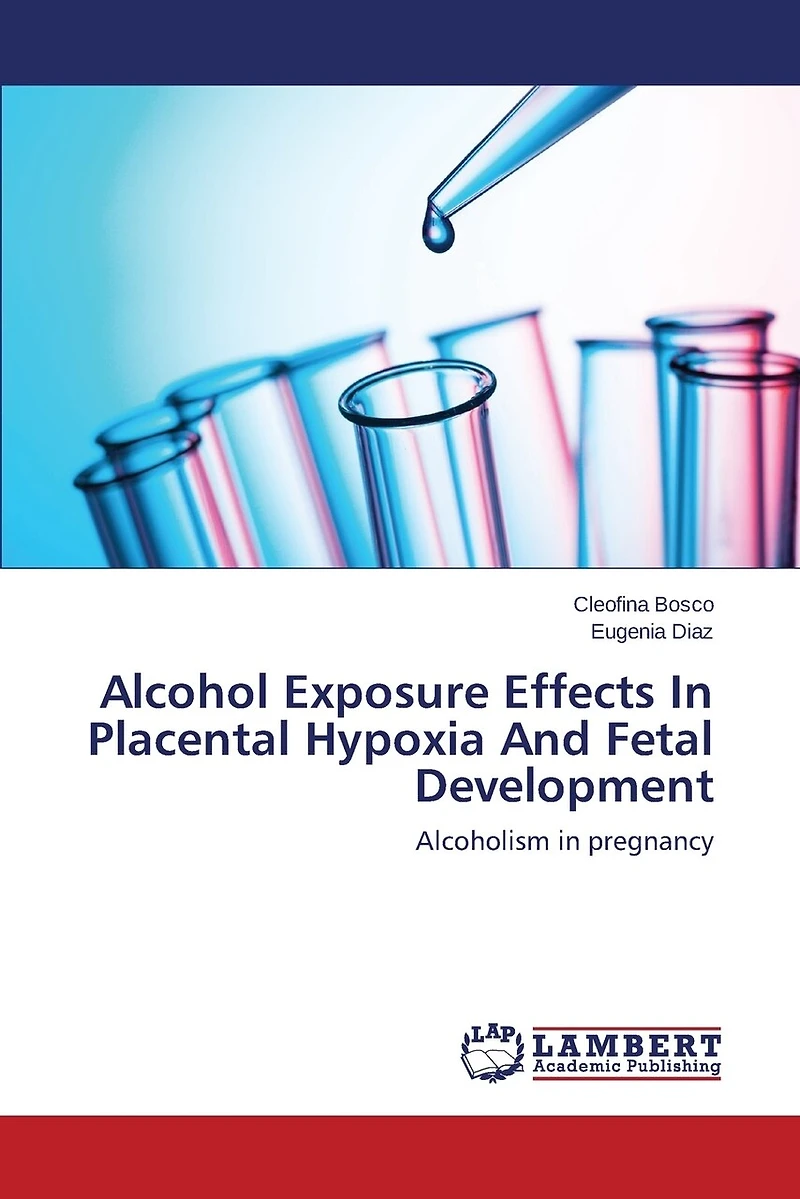
Alcohol Exposure Effects In Placental Hypoxia And Fetal Development
Current price: $40.95

Alcohol Exposure Effects In Placental Hypoxia And Fetal Development
Current price: $40.95
Loading Inventory...
Size: Paperback
*Product information may vary - to confirm product availability, pricing, shipping and return information please contact Indigo
Sustained alcohol abuse by pregnant women is clearly on the rise, so their effects on pregnancy outcomes are today considered important public health issues. Alcohol is one of the commonest teratogenic agents and its uncontrolled consumption by pregnant women can give rise to an irreversible condition in the child called Fetal Alcohol Spectrum Disorders (FASD). Cases that exhibit all of the following criteria: central nervous system dysfunction, prenatal and postnatal growth deficiency and cranial/facial abnormalities, are referred as fetal alcohol syndrome (FAS). All children of mothers who abuse alcohol consumption during pregnancy do not necessarily develop FAS/FASD. The potential source of individual variability includes differences in the pattern, frequency and duration of the period of drinking, differences in maternal, fetal and placental metabolism of ethanol/acetaldehyde, as well as genetic factors. Studies performed in animal models suggest that acetaldehyde, the primary hepatic oxidative metabolite of ethanol, reaches the foetus either by placental production or by placental transference, which in turn could affect fetal growth and development.
Sustained alcohol abuse by pregnant women is clearly on the rise, so their effects on pregnancy outcomes are today considered important public health issues. Alcohol is one of the commonest teratogenic agents and its uncontrolled consumption by pregnant women can give rise to an irreversible condition in the child called Fetal Alcohol Spectrum Disorders (FASD). Cases that exhibit all of the following criteria: central nervous system dysfunction, prenatal and postnatal growth deficiency and cranial/facial abnormalities, are referred as fetal alcohol syndrome (FAS). All children of mothers who abuse alcohol consumption during pregnancy do not necessarily develop FAS/FASD. The potential source of individual variability includes differences in the pattern, frequency and duration of the period of drinking, differences in maternal, fetal and placental metabolism of ethanol/acetaldehyde, as well as genetic factors. Studies performed in animal models suggest that acetaldehyde, the primary hepatic oxidative metabolite of ethanol, reaches the foetus either by placental production or by placental transference, which in turn could affect fetal growth and development.
You May Also Like











More About Indigo at Erin Mills Town Centre
The largest book retailer in Canada also offers toys, music, home décor, gifts and lifestyle products. What's Inside...Books, Magazines, CD’s and DVD’s, Toys and Gifts, Home Accents, Electronics, Baby’s and Children’s Section, Bath and Body, Kitchen and Bedroom, Stationary Located outside in the exterior plaza.
5015 Glen Erin Dr, Mississauga, ON L5M 0R7, Canada
Find Indigo at Erin Mills Town Centre in Mississauga ON
Visit Indigo at Erin Mills Town Centre in Mississauga ON